
Cad Crowd is not a website-it’s an idea-to-reality revolution. You’re the ambitious go-getter with a napkin sketch or the seasoned entrepreneur refining your next blockbuster – Cad Crowd connects you with the industry’s premier engineers, designers, and product design services who will help take imagination to practical innovation. It’s not contacts or how much money you have to spend-it’s idea power and making it happen.
It’s not outsourcing. It’s an open door to innovators from all walks of life to work with the world’s best designers and developers. The result? Innovations that don’t just disrupt markets-they define our future.
Innovation has ever been the driving force behind humanity’s most revolutionary breakthroughs. From the ancient aqueducts to the most recent AI, invention has always been the thread that sews advancement through the centuries.
In this blog, we’ll run through 101 world-altering invention concepts that have ever existed. These are inventions that transformed the way we live, the way we work, the way we travel, and the way we behave around each other-concepts that fueled questions, but ignited revolutions.
1. The wheel
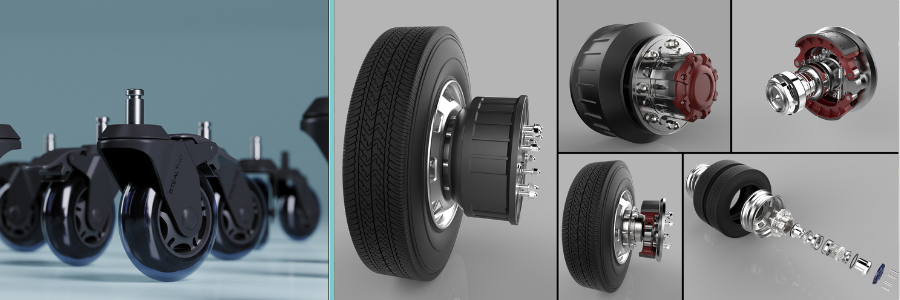
First appearing in Mesopotamia sometime before 3500 BCE, the wheel began as something other than a vehicle. The early wheels formed part of potter’s lathes before they developed into the round workhorses that powered wagons, chariots, and carts. With this development came easier transport, more trade routes, and later the gears of complex machinery. Without the wheel, there would be no automobiles, locomotives, turbines, or even clockwork. It’s technology’s unsung hero – easy to build, monumental impact, and is the cornerstone of automobile design firms.
RELATED: Why should you hire professional product design companies and services experts
2. The printing press
Before Johannes Gutenberg’s 15th-century innovation, books were hand-copied and laughably rare. The printing press disseminated information virtually overnight. Conceptions might be replicated, shared, and sent far and wide with no loss of fidelity. This new flow of information unleashed revolutions, literally and intellectually, ranging from the Reformation to the Renaissance. Literacy levels went haywire, scientific breakthroughs burst forth, and the printed word became the public’s business, not the exclusive privilege of the power elite. It was the initial information superhighway, decades before Wi-Fi.
3. Electricity
Michael Faraday and Nikola Tesla discovered how to trap energy into usable electric current. Electricity, in hand with stored electricity, lit homes, lit cities, powered factories, and recharged communication devices. From light bulbs to laptops, electricity’s energy fuels all the wonders of today. It brought day to night and enabled 24/7 living. It’s not just a convenience-it’s the heartbeat of our modern life.
4. The compass
Travel was simplified with the discovery of the magnetic compass, which was first used in China by the Han dynasty. Before this, the mariners relied on stars and estimation. With the compass, ocean, and desert, travel became an unprecedented promise. It laid the foundation for the Age of Discovery, connecting continents and cultures and injecting worldwide commerce. It pointed the way north, pointing humans-literally and figuratively-toward exploration. The compass made the world smaller, uniting strangers with one another and completing the maps in every direction.
5. The steam engine
The Industrial Revolution had many fathers, but its soul and core was the steam engine. Perfected by James Watt in the late 18th century, the steam engine drove trains, ships, and factories, altering the production and distribution of goods forever. It severed the connection to muscle and wind power, making mechanization on a gigantic scale possible. Cities flourished, workforces were changed, and economies accelerated. The steam engine began many industries, including the manufacturing design industry – it began modern civilization, placing power in the hands of progress and opening the gate to the machine age.
6. The telephone
Alexander Graham Bell’s creation was not only a brilliant device-it revolutionized human contact. First patented in 1876, the telephone allowed individuals to speak in a moment over vast distances. That humble physical accomplishment of hearing a voice from afar transformed business, emergency services, and personal relationships. Switchboards eventually gave way to cell towers, but the idea was still the same: filling space with sound. The telephone placed the world in conversation and made possible everything from radio soap operas to video teleconferencing. One ring brought all that to an end.
7. The internet
Arguably the biggest invention of the last century, the internet turned computers into portals of infinite possibility. Originally developed for military communication (ARPANET), it went public in the 1990s and took off like wildfire. With it came email, e-commerce, social media, streaming, and every cat video ever watched. It collapsed distances, flattened hierarchies, and turned knowledge into a public resource. You’re reading this because of it. From revolutions to telecommuting, the web has infested every corner of life at speeds our ancestors could hardly have conceived.
8. The light bulb
Thomas Edison invented neither the light bulb nor the millions of people who thought they invented the light bulb, but he did render it useful. His group turned the earlier versions into longer-lasting, commercially viable versions. This little glass dome became the metaphor for ideas, literally lighting the path for society to behave in the dark. Factories worked late into the evening, cities shone at night, and houses were safe. LEDs today are brighter and more environmentally friendly, but have their origin in that myth of a bulb. Lighting darkness? That is as romantic as it gets and as revolutionary.
9. Penicillin
Penicillin was discovered by chance in 1928 by Alexander Fleming. It provided us with the era of antibiotics. Infections were death warrants before that. The contaminated petri dish that Fleming had left on the shelf by accident revealed to him a substance toxic to bacteria-and saved millions of lives. Penicillin was mass-produced during World War II and was technically a miracle drug. It is not an overstatement that this invention revolutionized medicine. It made surgery safe, and infection in children could be cured, and diseases like syphilis lost their killing bite. A microscopic marvel, penicillin transformed global public health.
10. The airplane
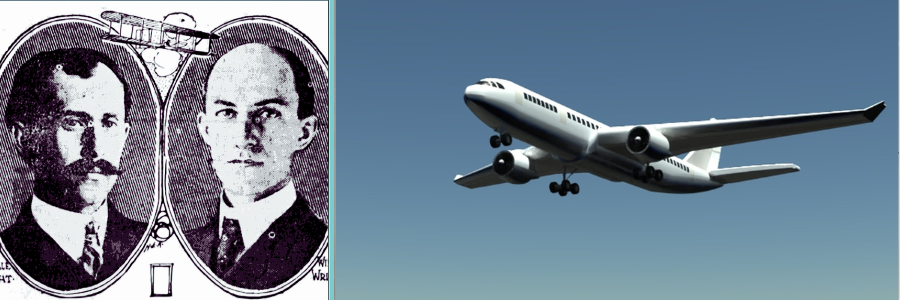
When the Wright brothers took to the skies in 1903, it wasn’t quite worth writing home about. But that rocky, 12-second flight ushered in man-made flight. Decades later, airplanes evolved from novelty contraptions to world lifelines. Today, jetliners carry billions of people each year, and cargo aircraft carry everything from letters to critical medicine. The plane shrank continents, encouraged globalization across the globe, and revolutionized war, travel, and tourism. It took what once required weeks by sea today to be accomplished in hours by air, all because two brothers had the courage to challenge the heavens and pioneered aerospace engineering design services.
RELATED: Industrial design vs. product design: What sets these services apart for companies?
11. The Automobile
Karl Benz’s 1885 gas-engine motorwagen did not just add a new machine-it recharted the very nature of human society. Streets were replicated, cities expanded, and humans were granted unprecedented mobility. The car gave rise to drive-throughs, motels, suburbs, and gridlock. It wasn’t a car; it was wheeled mobility. Internal combustion yielded to electric cars and hybrids in their time, and what started as a clunky trend ended up as a cultural icon of independence and thrift. From the Ford Model T to today’s Teslas, cars have evolved–but all are indebted to Benz’s humble origins.
12. The Computer
What started as a room-sized calculator is now the Swiss Army knife of modern life. Early machines like ENIAC performed slow, specific tasks, but over time, computers became fast, portable, and indispensable. Whether you’re writing a novel, analyzing data, designing an invention, or just watching memes, your computer makes it all happen. Innovators such as Alan Turing, Charles Babbage, and Steve Jobs contributed to its evolution. This is the century of code, from the home to the stars, and the computer is its beating heart- prestidigitation without your even noticing, thought turning to deed.
13. The radio
Radio revolutionized how we shared ideas, songs, and news. Tinkerers like Nikola Tesla and Guglielmo Marconi invented the wireless medium that connected the world on the unseen airwaves. Before television or the internet, a generation before our own, families would huddle ’round the radio to hear anything from war reports to baseball scores and jazz concerts. It was the very first mass media outlet, and it helped spark revolutions, spread propaganda, and brought the world its icons to life. The golden age of radio gave us sitcoms and soap operas, and even that infamous “War of the Worlds” broadcast by Orson Welles that once drove the entire country wild.
14. The camera
When Joseph Nicéphore Niépce took the world’s first photograph in the 1820s, he unwittingly stored time for generations to come. Cameras evolved from massive boxes to small lenses in our phones, but the motivation was the same: to trap reality in a snapshot. They’ve recorded revolutions, weddings, wars, and wacky holidays. With advances such as Kodak’s rolls of film and digital sensors, photography became a medium of communication, art, evidence, and remembrance through product engineering services. Now, cameras drive medical imaging and facial recognition. A single frame in a film or pixels may be able to alter hearts, ignite minds, or even start movements.
15. The clock
Before beepers beeped reminders or Fitbits sounded alarms, before those even, human beings depended upon sundials, water clocks, and whirring mechanisms to estimate time. Mechanical clocks first appeared in the 14th century, until they were made small enough to be put on the wrist as watches and made atomic. All this changed the abstract concept of time into a concrete one. Timetables, appointment schedules, calendars-all were dictated by a device’s tick-tock. Clocks do not just represent time; they govern it.
16. The plow
It was such a humble instrument, but it changed man from hunter to harvester. The plow enabled ancient civilizations to farm more effectively, produce more crops, and allow for permanent residence. Early prototypes were sketched by oxen, subsequently supplemented by metal blades and machinery. Had there been no plow, there would be no modern agriculture, no cities, no economies, no civilizations in the absence of agriculture. This humble invention transformed dirt into dinner and led the way to food surpluses, population increase, and empire-building. It ain’t glamorous, but it is needed-an unsung hero of human survival.
17. The paper
Developed in China around 100 BCE, paper made ideas portable. Light, portable, and surprisingly durable, paper revolutionized how we stored and shared information. Before that, humans inscribed on clay tablets, carved in stone, or used delicate scrolls. Paper opened books, maps, money, writings, and works of art to all people. Paper supported bureaucracies and democracies, revolutions and religions. Nowadays, we type less and scroll more, but paper is still strong, whether in a hasty love letter or a crayon picture from a kid. It spoke to the generations, sheet by sheet.
18. The telescope
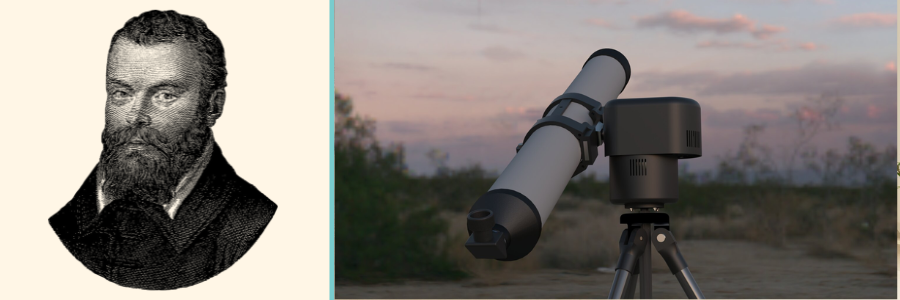
Galileo did not create the telescope, but he aimed it at the stars-and everything changed. His 17th-century sky gaze revealed moons, planets, and the breathtaking realization that Earth was not the center of the universe. Telescopes unmade ancient dogma and ushered in scientific revolutions. They’ve moved from the backyard telescope to orbiting goliaths like Hubble and James Webb over the centuries. They enable us to gaze billions of years into the past, learn about our starry neighbors, and hunt for life beyond our planet. The telescope revealed how gigantic and strangely beautiful the universe truly is.
RELATED: 3 steps to transform your business idea into a new prototype with new design services firms
19. The microscope
While the telescope opened the heavens, the microscope opened the unseen. It was invented late in the 16th century and permitted us to look into the domain of the tiny-cells, bacteria, viruses, and the internal machinery of life. Diseases had culprits with faces, and biology was a science of precision now. The microscope enabled us to construct modern medicine, genetics, and microbiology. Its modern high-powered descendants can even observe atoms and map neural circuits. This machine not only permitted us to examine small things, but it also showed us the nature of life and how to fix it when it was damaged.
20. The elevator
Evolved in primitive forms for centuries, it wasn’t until Elisha Otis hired on a reliable safety brake in 1853 that the vertical commute was secured and made possible. The elevator transformed architectural design firms, building Dubai and New York’s vertical metropolises. It brought top floors, formerly reserved for domestics, to everyone and turned property markets upside down. Picture our cityscapes without them: more 19th-century villages, fewer skyscrapers. It’s one of those quiet innovations that literally raises society up and down and forward every day.
21. The flush toilet
Sir John Harington may have drawn it on paper in the 16th century, but Victorian engineers like Thomas Crapper made the flush toilet a sanitary household standard. More than one comfort, it revolutionized public health. Before toilets, cities reeked of dung, and deadly disease came from open sewers and contaminated water. The flush toilet of today, along with modern sewer and plumbing, has greatly reduced the occurrence of cholera, typhoid, and dysentery outbreaks. It’s a front-page invention that fails to receive front-page coverage – yet quietly saves lives and dignity every day.
22. The refrigerator
Before the days of refrigeration, people used to keep food by using salted meat, pickling, and ice blocks. The discovery of the fridge changed all that we cook, eat, and purchase. In the early 20th century, electric refrigerators began appearing in homes, enabling homes to store perishables fresh and minimize food spoilage. It also enabled global food supply chains – bananas in Sweden, fish in Kansas. It keeps milk from turning sour and leftovers from being lethal, all without ever squeaking a peep in the background.
23. The satellite
Sputnik 1 was a shiny metal sphere with a radio pulse, but it launched the Space Age-and an entire new form of infrastructure in the sky. Satellites now power GPS navigation, weather reporting, global communications, environmental observation, and military surveillance. They enable all that. Without satellites, no Google Maps, no satellite television, no minute-by-minute report from the Amazon rainforest to the Arctic. Satellites orbit Earth invisibly, but they’re essential to modern life. From Elon Musk’s Starlink constellation to deep-space probes, the satellite has changed our view of the planet-and our ability to stay connected throughout it.
24. The battery
The idea of holding energy in a portable package revolutionized flashlights, smartphones, and virtually is the advent of electronic device design firms. Alessandro Volta’s 1800 voltaic pile was the first true battery, and batteries have only gotten smaller, more powerful, and safer since. They freed our devices from the walls, energizing everything from hearing aids to cars. The lithium-ion battery in your phone is the result of centuries of development. And with renewable energy on the rise, batteries can be at the forefront of solar and wind power storage. They’re the unobtrusive backbone of cellphone life.
25. The sewing machine
Stylish clothing was tediously hand-stitched beforehand, a painstakingly time-consuming ceremony of needle and patience. The sewing machine, invented by Elias Howe and perfected by Isaac Singer, mechanized this ancient ritual. It did more than speed production-it transformed fashion, industry, and the roles of men and women. Clothing became cheaper and more prevalent, seamstresses moved from cottages to factories, and mass-producing textiles went wild. The effects reached as far as international economies and labor unions. State-of-the-art machines today can stitch Kevlar or denim, but the innovation remains revolutionary as ever.
26. The Vaccination
Edward Jenner’s 1796 smallpox vaccine was a medical moonshot. By vaccinating with cowpox, he inoculated against the more deadly smallpox – a breakthrough that ultimately signed the death warrant of the disease. Vaccines went on to vanquish polio, measles, mumps, tetanus, COVID-19, and countless others. Fewer inventions have ever preserved so many lives. They’ve made childhood safer, years longer, and generations plague-free. Vaccines are one of the most effective weapons of public health, a union of biology and courage. All because of them, humanity responds-not with terror or blades, but with needles full of science.
27. The bicycle
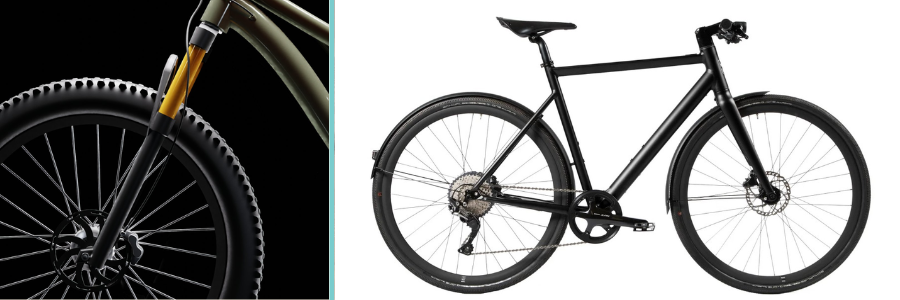
Two wheels, a frame, and a dream. The bicycle existed as far back as the early 1800s, from the clomping “Dandy Horse” to the present day’s slim, carbon-fiber marvels. It democratized transportation before the automobile, offering cheap, dependable transportation to millions. Bicycles also contributed to women’s freedom, mail delivery, and even the dawn of flight (the Wright brothers, remember, were bicycle mechanics). They’re green, heart-healthy, and still incredibly popular today in cities and towns across the globe. It’s a machine powered by human power – and energized by centuries of enthusiasm.
RELATED: Secrets of creative brainstorming & tips from product design & engineering services firms
28. The typewriter
The typewriter gave words longevity, which made authors more efficient and spawned entire industries, including CAD design services. It was developed during the 19th century and soon became indispensable in offices, newsrooms, and households. Women poured into the workforce as typists, and literature got faster to write and publish. The QWERTY keyboard configuration persisted, even as typewriters yielded to word processors and laptops. The mechanical charm of a typewriter lingers in pop culture, even as we’ve moved on to digital screens. It was not a machine-it was the voice of ideas coming into being.
29. The X-Ray
Wilhelm Röntgen invented X-rays in 1895, and medicine was changed forever. Doctors could now inspect the interior of the human body without surgery. Fractured bones, tumors, swallowed marbles-X-rays made the invisible visible. They transformed diagnosis, which led to quicker, more secure treatment. Soon, the technology invaded security, materials science, and authenticity-verifying art. Modern CT scans and radiation therapy both trace their origins to this one phantom vision within the human body. The X-ray machine is not just a marvel of physics – a medical miracle.
30. The barcode
It’s just a series of black-and-white dots, but it revolutionized retailing, inventory, and shipping forever. Its first use was on a pack of Wrigley’s gum in 1974, and the barcode hastened checkout and helped companies trace products from warehouse to checkout counter. It saved time, reduced mistakes, and paved the way for global supply chains. Better data, faster service, and more streamlined operations came with the barcode. QR codes nowadays are an interactive cousin, but the plain-vanilla barcode remains a computer era stalwart-humbly being scanned billions of times each and every day.
31. GPS (Global Positioning System)
Getting lost was part of the excitement. Now it’s almost impossible – courtesy of GPS. First designed for navigating soldiers across the battlefield in the 1970s, GPS became public during the ’90s and changed the way we navigate our world. Whether you are searching for a coffee shop or trying to find a lost phone, GPS employs a network of satellites orbiting the planet, sending precise location data back down to us through complex engineering design services. It powers logistics, aviation, emergency services, and even dating applications. The question “Where are you?” has never been easier to respond to. GPS charts the globe but dominates it.
32. The zipper
It’s small, easy to miss, and yet – without it – clothing, bags, and gear would be less convenient. The zipper was developed by Gideon Sundback in 1913 after earlier models failed to catch on. This master locking combination of sliders and teeth replaced laces and buttons, offering rapid fastening with a simple pull. Outside of clothing, it gained a place in tents, bags, and space suits. Though underappreciated, the zipper is a superb mechanical design that never grows old. It’s small, sure, but where day-to-day genius is at stake, it’s guaranteed to have zipped itself into the history books.
33. The printing calculator
Before spreadsheets and computers, there existed the printing calculator. This mechanical wonder enabled bookkeepers, clerks, and cashiers to compute totals and print the transaction with a snap. The earliest models were created in the late 19th century, transforming commercial transactions and financial accuracy. Companies were able to check numbers with paper trails, setting the stage for current accounting and audit functions. This created the concept that math didn’t exist in your brain-it could be followed, checked, and printed. In a lot of ways, it was the first “proof of math” machine.
34. The laser
It began with physics-“light amplification by stimulated emission of radiation”-but lasers soon became operating instruments, data transporters, bar code scanners, and space weapons in science fiction films. Invented in 1960, lasers emit beams of very intense light which can cut through steel, vaporize cataracts, or transport information along fiber optic channels. They are used in DVD players and robot assembly arms. Lasers gave us power and precision in a dazzling beam. To play music or correct eyes, it is likely that a laser is under the spotlight.
35. Chainsaw
Chainsaws emerged as one of the most powerful machinery in the construction and logging sectors. With its spinning teeth and buzzing motor, it is capable of sawing wood in a matter of seconds, enabling logging and disaster relief at dizzying speeds. It’s loud, menacing, and highly effective-turning hours of labor into minutes. While popularly referred to as the horror movie and lumberjack symbol, the chainsaw is employed in rescue work and firefighting as a scalpel. Few machines combine raw power and functional need like this one.
36. Air conditioner
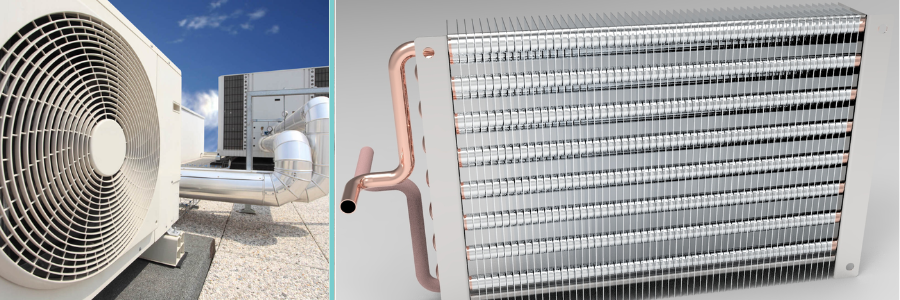
Balmy summers were made endurable by means of this cooling device. Willis Carrier developed the modern air conditioner in 1902, not for comfort but to regulate humidity in a printing plant. He never imagined he was flipping a world climate switch. Air conditioning transformed where people lived, grew, or worked, and is the cornerstone for HVAC design services. It paved the way for the Sun Belt boom and has protected millions of humans from heat sickness. It made clean rooms, server farms, and data centers possible. From home to hospital, AC stays cool, and civilization is humming along nicely in the background.
RELATED: Important tips for hiring new product development services firms & freelance design experts
37. Washing machine
This home fixture freed people – especially women – from back-breaking toil washing clothes by hand. The washer went from hand-powered tubs to completely mechanized, intelligent appliances that dose detergent and pre-program cycles through phone apps. Originally introduced in the 1850s and electrically powered by the early 20th century, the washer washed more than clothes–it transformed domestic life, gender roles, and washday itself. It’s one of those stealth innovations that just changed daily life. It brought time back to households, drudgery back to a convenience, and fresh-scented clothing the rule, not the exception.
38. Credit card
Creating the credit card in the 1950s revolutionized commerce. The concept started out as department store charge plates and grew into the worldwide financial system we now know. Credit cards fuel e-commerce, enable cashless travel, and enable people to build financial histories. With rewards, protection against fraud, and universal acceptance, they’ve become ubiquitous in the contemporary economy. Yes, they created new issues – like debt and cybercrime – but on the whole, the convenience and leverage of plastic transformed personal finance.
39. The fire extinguisher
The 18th-century-patented extinguisher for fire became common household, office, automobile, and airplane safety equipment. It is life-saving firefighting made available to the general public, protecting property and lives ahead of the fire department’s arrival. Sophisticated extinguishers use pressurized chemicals to battle grease fires, electrical fires, and chemical fires. It’s a tiny guardian of order, an invention designed for those moments that matter. Compact, aggressive, and always within reach, the fire extinguisher warrants a place in any list of essentials.
40. The personal computer (PC)
When Steve Jobs and Bill Gates brought personal computers into the living room, they created a revolution in productivity, entertainment, and communication. PCs turned ordinary people into designers, writers, programmers, and creatives, and CAD design experts. No longer the sole province of scientists or giant corporations, computer power became democratic – spread in bedrooms, dorms, and kitchen tables. The original personal computers, like the Apple II and IBM PC, were the starting points for everything from Word documents to video editing, programming, games, and web surfing. The PC was not another gadget-it was a ticket to the era of the digital world, and an invention kit, too.
41. Telescope lens (Optical Glass)
While the telescope expanded our vision of the sky, it was the development of high-quality optical glass that really finished it off. These precisely ground lenses are used in everything from camera equipment to laser eye surgery, microscopes, telescopes, and eyeglasses. Lens-making advanced during the 1600s, which gave us a keenness of eyesight – scientifically and literally. Now, whether a scientist gazes out into the cosmos or a photographer snaps the shot, optical lenses are humble MVPs of discovery. It’s a piece of simple technology that brought the hazy, beautiful – and the faraway, near as never before.
42. The stethoscope
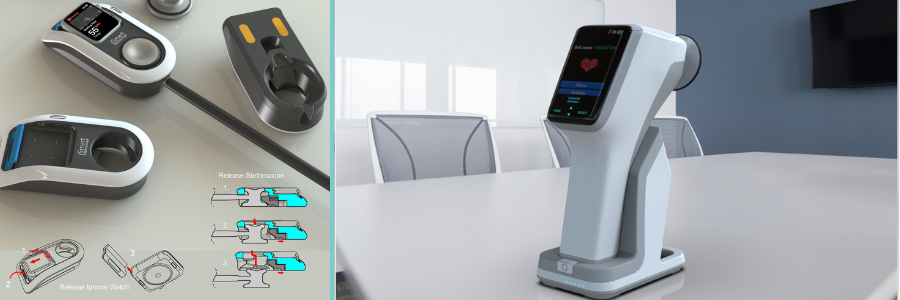
Physicians once had to press an ear against the chest of a patient-a clumsy, imprecise process. It wasn’t until 1816 that French doctor René Laennec invented a rolled paper tube to hear the internal noises. The humble invention is the stethoscope of today, now a ubiquitous icon of medicine itself. With it, physicians are able to hear the heartbeat, the whisper of the lungs, and the rumblings of the gut-all without entering the body. It’s a hearing life device, and it revolutionized from art to the science of diagnosis, heartbeat by heartbeat.
RELATED: A comprehensive guide to engineering product development services for companies & startups
43. The wheelbarrow
The wheelbarrow was born in medieval Europe and revolutionized history in ancient China, and revolutionized how we deal with heavy loads. Regardless of whether you’re loading a building site with bricks or a garden bed with mulch, this supposedly simple machine takes out the strain and increases efficiency. With its gorgeous combination of leverage and mobility, it converts a single person into a one-person crew. It’s not filled with high-tech bells and whistles, but the wheelbarrow is a perfect example of form in the pursuit of function-and staying timeless for centuries.
44. Light switch
Installed in the early 20th century, the light switch gave individuals convenient access to interior lighting. It made electric light a convenient commodity and no longer a marvelous wonder. The technology era moved from plain walls to dimmers, motion sensors, and even voice switches. It’s a finger-control ambiance and security panel. Simple? Yes. Revolutionary? Yes. The light switch taught us that sometimes, turning a switch really does change everything.
45. The mechanical clock tower
Before smartphones and wristwatches were invented, the city ticked on by the boom of clock towers. Medieval Europe saw the first appearance of architecturally placed timekeepers whose chimes controlled markets, curfews, and church bells. Mounted on gears, pulleys, and then pendulums, these massive machines were not only practical – they were icons. From Big Ben to Prague’s astronomical clock, the clock tower turned into a civic icon of reliability and technical ability from engineering design experts. It brought order to the disorder of medieval life and proved human mastery over time. Even now, in the electronic age, a clock tower still demands notice – and respect.
46. The telegraph
In the 1830s, Samuel Morse invented the telegraph system that enabled messages to be sent afar through an electrical signal. News delivered weeks late by horse is now arriving in minutes over cable. Morse code invented a new vocabulary of speed and haste. The telegraph minimized the world, transforming journalism, diplomacy, the railroads, and war strategy. It was the globe’s first genuine method of electronic communication, clearing the wire-covered path to all our digital pings and texts today.
47. Skyscraper
The skyscraper is not a building-it’s an idea piled high. In the late 19th century, the union of elevators and steel framing allowed buildings to reach higher than ever before. The first modern skyscrapers in Chicago and New York reshaped city land value and density. They made cities three-dimensional worlds where space could be multiplied rather than spread out. Skyscrapers symbolize ambition, engineering supremacy, and innovation. From the Burj Khalifa to the Empire State Building, they are pieces of design and daring. They didn’t reach for the sky – gave it their own.
48. The LED (Light Emitting Diode)
LEDs are robust, long-lasting, and environmentally friendly replacements for incandescent and fluorescent lighting. They emit light using semiconductors and an incredibly small amount of heat, conserving energy and lowering bills. They don’t just illuminate light bulbs, however – LEDs illuminate television sets, streetlights, flashlights, and medical equipment, and are an essential component utilized by many consumer product design experts. Their durability and energy efficiency have labeled them the light source of the future. It’s the brightest invention in decades-and one that simply doesn’t quit.”
49. The safety brake on the elevator
Elevators had been around prior to the 1850s, but were unsafe – or in common use – until Elisha Otis perfected a failsafe brake to stop them from falling when the cable snapped. Dramatically acted out at the 1854 New York World’s Fair, the safety brake turned elevators into safe and trustworthy necessities. Skyscrapers became a reality, cities expanded upwards rather than outwards, and the terror of falling freely disappeared. Without Otis, vertical dwelling would still be mired in the first floor. His invention didn’t only bring safety-it liberated architectural aspiration and contemporary city life.
50. Smartphone
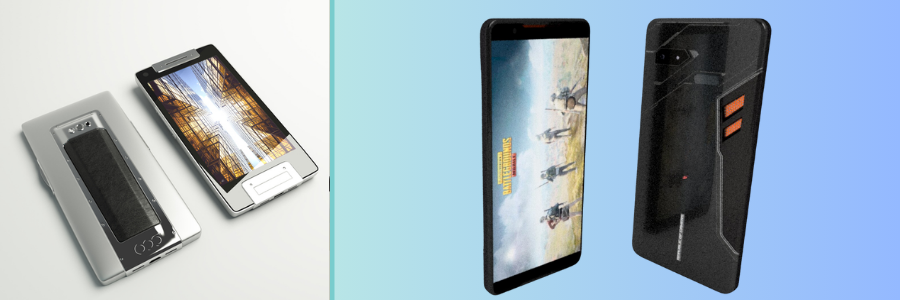
Smartphones integrated a number of technologies that transformed the world-touch screens, wireless internet, GPS, and speedy processors-into one palm-top marvel. When the iPhone arrived on store shelves in 2007, mobile technology was forever changed. Today, over six billion humans possess smartphones that change our lives, learning, work, and even sleeping habits. It’s the most highly customized creation ever – customized to the individual, yet linked to the world. The phone is not just smart-it’s genius.
RELATED: How to design environmentally-friendly products with design services companies & firms
51. The drone
Having long been the preserve of science fiction and military strategy, drones have now buzzed into civilian society. Also known as UAVs (Unmanned Aerial Vehicles), drones initially were designed to spy and kill. But civilian uses soared: aerial photography, package delivery, farming, environmental monitoring, and even search and rescue. They bring a bird’s-eye view on demand, enabling everything from low-budget movies to following wildfires. Drones unlocked flight for everyone and remapped the skies-not above us, but within our grasp. To fly for pleasure or a mission-critical objective, drones demonstrate that sometimes invention is in the eye of the beholder – literally.
52. The 3D Printer
Bring a digital idea into the physical world – in hours. That’s the genius of 3D printing design services. First applied to producing prototypes in the 1980s, it became a full-scale manufacturing revolution. From prosthetic arms to aircraft parts, 3D printers build things layer by layer out of plastic, resin, or even metal. It has flipped the world on its head, from skyscrapers to health care, and provided rapid design iteration for hobbyists and tinkerers. Entire houses, organs, and machines are being printed today. In an increasingly computer-made world, 3D printing brings fantasy to life, one layer at a time.
53. The contact lens
They sit on the eye itself, barely visible, and are the culmination of centuries of optical precision. Theoretically designed by Leonardo da Vinci in 1508, contact lenses were not possible until the 20th century, when material breakthroughs and miniaturization made them possible. Millions rely now on contacts for unobstructed vision without the burden of eyeglasses. Soft, light lenses correct nearsightedness to astigmatism, even versions that change the color of your eyes or recontour corneas while you’re sleeping. Cosmetic or corrective, contact lenses clarify where it counts most.
54. The Internet-of-things (IoT)
Your thermostat talks to your phone. Your fridge alerts when the milk is low. That’s the Internet of Things-a very sophisticated network of devices, sensors, and software that makes your world smarter and more responsive. From Fitbits tracking your pulse to smart locks that know you’re home, IoT turns things into streams of data. It makes things more efficient, secure, and even helps get cities to do a better job managing traffic and energy use. The IoT is not a buzzword-though it certainly sounds like one – it’s the understated revolution that turns your world into smart, networked places, device by device.
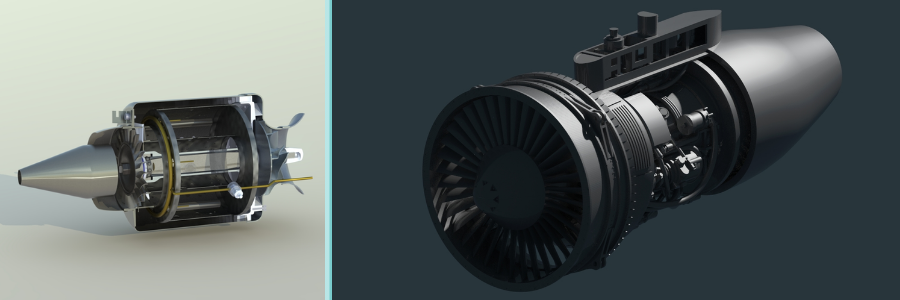
55. The jet engine
We give credit to the Wright brothers for wings, but the jet engine brought us into the air. Created in World War II by visionaries Frank Whittle and Hans von Ohain, jet engines revolutionized travel by air with speed, efficiency, and power. They flew aircraft higher and farther, folding continents together into commuter zones. What once took days now takes hours. Commercial air, military aircraft, and even space travel use some form of jet propulsion now. It’s thunderous and powerful and yet still awe-inspiring every time you see it screech down a runway. The sky was never the limit-until jets made it just the beginning.
RELATED: 3D product rendering styles that elevate marketing with design companies & freelance services
56. MRI Machine
Perhaps no machine is gazing so deeply into the human body as the MRI (Magnetic Resonance Imaging) machine. Conceived in the 1970s, it uses powerful magnetic fields and radio waves to produce accurate, radiation-free images of organs and tissues. MRIs map tumors, brain injuries, ligament sprains, and a host of internal diseases with breathtaking precision. They made diagnosis come out of the dark ages and into the light of visualization. It’s noninvasive, precise, and frequently life-saving. The hum of an MRI is not mechanical-it’s the music of science searching for what the eye was never capable.
57. The solar panel
Harnessing the energy of the sun is a myth-but solar panels made it commonplace. Developed in the 1950s and increasingly efficient today, photovoltaic cells convert sunlight into practical electricity. They illuminate homes, drive cars, power satellites, and even islands. As global warming becomes ever more of a problem, the sun’s power is a green, clean source of alternative fuel to fossil fuels. Homes are tiny power plants, and living off the grid has never been simpler through solar panel design services. Silent, clean, and omnipresent, solar panels tap into the oldest form of energy on the planet-and lead us toward a brighter, greener future.
58. Artificial heart
The very first artificial heart was implanted in 1982, and technology has advanced much further since then. It’s a second chance at life, an improved repair over temporary. These mechanical miracles bridge patients to transplants or deliver permanent fixes. They’re constructed of biocompatible materials, externally powered, and controlled digitally. The artificial heart is medicine’s most audacious feat-a demonstration that if biology doesn’t work, engineering can step into the breach.
59. The hovercraft
It resembles a boat, moves like a sled, and hovers on a pillow of air. The hovercraft, developed in the 1950s by Christopher Cockerell, transformed transport over challenging terrain. It can cross water, sand, ice, and swamp without so much as touching the surface, and is therefore ideal for rescue missions, troop transport, and off-limits areas. Hovercraft are a scarce breed but distinct in that they represent a hybrid technology-half boat, half spaceship, half sci-fi made real. It’s the perfect vehicle where roads cease and borders do not.
60. The smoke detector
You probably don’t even think about that little white disc on your ceiling-until it saves your life at the cost of its own. It wasn’t until the 1970s, when smoke detectors became commonplace, that residential fire deaths dropped dramatically. Compact and discreet, the devices sense particles suspended in the air and howl ear-piercing alarms at the slightest whiff of smoke, giving families precious seconds to escape. Baked into building codes and flourishing worldwide, they’re one of the most successful safety technologies ever. In disasters, it’s not the biggest technology that will save people-it’s typically the noisiest.
61. The deep-sea submarine
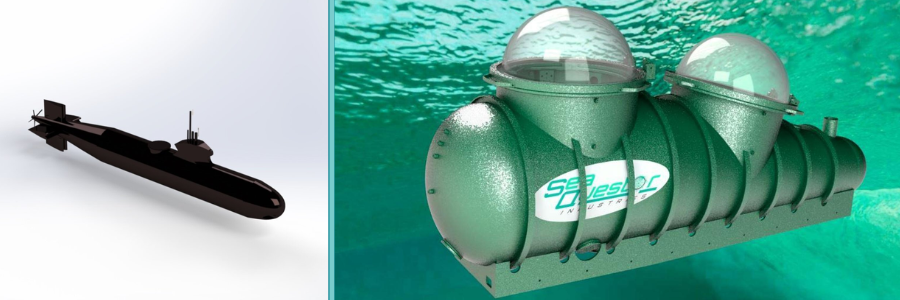
Deep-sea submersibles have opened up the oceans as never before. These pressure-resistant machines, capable of exploring the darkest and most dangerous regions of the ocean, have brought back otherworldly beings, hydrothermal vents, and valuable information on tectonic movements. From Jacques Piccard’s first dive into the Mariana Trench aboard the Trieste to James Cameron’s solitary journey aboard the Deepsea Challenger, these devices travel where light cannot. They survive crushing pressure, freezing temperatures, and total darkness. Their findings have advanced marine biology, geology, and climatology into new bounds and leaps. Submarines have opened the final frontier on Earth, our oceans, and demonstrated that there is more that is still unknown beneath the waves than exists beyond the universe.
RELATED: What you need to know when hiring a product design firm & designer for new prototypes
62. The thermometer
Temperature was once felt but not measured. The thermometer did just that. Dating back to the 1600s with Galileo’s thermometer, improved later by Daniel Fahrenheit and Anders Celsius, and now able to enjoy the accurate scales we have today. Thermometers enable doctors to accurately diagnose fever, help cooks get recipes just right, and enable scientists to carry out accurate experiments. From mercury tubes to digital and infrared no-touch sensors, this lowly invention is in our daily lives. It’s the industry’s, meteorology’s, and medical device design services‘ best-kept secret. From tracking a fever to forecasting a forecast, thermometers quantify the intangible – converting heat to a number and health to a matter of degrees.
63. The lie detector
Lie or truth? The polygraph machine is programmed to say. How it was developed in the early 20th century, it records physiological responses like heart rate, blood pressure, breathing, and skin conductivity as a subject answers questions. The idea is that deception causes nervousness and that the body will betray itself even when words will not. Not always a trustworthy, sometimes inadmissible as testimony device, polygraphs are nevertheless employed in police questioning, security interviews, and even on reality television. Their social reach cannot be overstated. They’ve raised questions of privacy, psychology, and ethics. The lie detector sits on the interesting cusp of science and doubt, challenging the gossamer strand between fact and impression.
64. The Flushing Toilet
The flushing toilet is the wonder of clean technology most people take for granted today. While primitive toilets had their origins in ancient cultures, the first flush toilet was created by Sir John Harington in 1596. Indoor plumbing didn’t gain wider use until the 19th century, however. Flushing toilets contained the spread of disease, improved sanitation, and revolutionized public health. Cities became cleaner and healthier.
Toilets are the cornerstone of civilized life, ranging from technology as simple as gravity-fed tanks to as advanced as vacuum-aided flushes. It’s not glitzy – but maybe no invention has conferred as much human dignity and comfort.
65. The lifesaver (Life Buoy)
Unobtrusive, spherical, and often orange – the lifesaver ring or life buoy is a modest guardian of safety. Initially created in the 19th century, they’ve rescued countless lives in the ocean and in swimming pools. Tossed to struggling swimmers, they are a float of support and encouragement in moments of highest need. Modern models are crafted of lightweight, water-resistant materials and may feature reflectors or rope handles. They’re required on boats, docks, and waterfronts worldwide. As unassuming as they are analytical, lifesavers teach us that at times the most significant inventions don’t boast – but float.
66. EpiPen
For individuals with life-threatening allergies, the EpiPen is a lifesaver. Invented during the 1970s, the compact autoinjector injects a quick dose of epinephrine for anaphylactic shock, preventing swelling in mere seconds, boosting blood pressure, and relaxing airway muscles. Small enough to carry in a pocketbook yet powerful enough to be lifesaving, it brings reassurance to allergy patients wherever they are. From bee sting to peanut to sneaky suspects, the EpiPen makes hysteria a plan. A medical design success-utility and urgency merged in one quick, spring-loaded snap.
67. The microwave oven
Quick, cheap, and always purring in the background, the microwave oven is the undisputed king of modern convenience. Unintentionally created in 1945 by Percy Spencer while experimenting with radar technology, the microwave employs electromagnetic radiation to stimulate water molecules in food, cooking it in an instant without flame or coil. Used for heating last night’s dinner to popping popcorn, it revolutionized cooking in the home. Portable and convenient, it entered common use in homes, offices, and dormitories. It even facilitates some forms of medical and industrial sterilization for industrial design firms. The microwave oven showed that not all revolutions need an inferno-sometimes just a zap will do.
RELATED: How to reduce new product development risks for design services companies
68. The inkjet printer
Soft and precise, the inkjet printer changed home and office printing during the 1980s. In contrast to typewriters’ clattering letters on paper, inkjets not only spray tiny droplets of ink with finesse but also create high-resolution images and text. They simplified printing and made it affordable for the masses. Whatever it is that one prints-a printed essay, a photo, or a piece of art-inkjet printers deliver definition on the go. Among the developments that have withstood the trial of time in this era of digitalization are wireless installation, color printing, and green-refill tanks. Despite the paperless revolution, the inkjet remains – testimony to the truth that sometimes folks just want to see things up close and in their own hands.
69. The pressure cooker
Dinner in 20 minutes? Thanks, pressure cooker. Originally patented in 1679 by Denis Papin, contemporary models apply enclosed steam pressure to increase boiling points and heat more quickly. They retain nutrients, conserve energy, and turn coarse cuts of meat into dinner tenderloins. Used in home kitchens and science laboratories alike, pressure cookers are making a comeback with electric models such as the Instant Pot. Aside from convenience, they are also experts in employing physics in the kitchen. To cook lentils or autoclave gear, pressure cookers save time without cutting corners.
70. The astrolabe
Before smartphones and satnav, sailors of old looked up at the stars and employed the astrolabe. Developed in ancient Greece and refined in the Islamic Golden Age, the astrolabe was an extremely intricate analog computer to calculate the height of stars. It allowed sailors to navigate latitude, scientists to study astronomy, and even astrologers to predict horoscopes. With dials, gears, and moving plates, the astrolabe was functional yet beautiful. It merged art, science, and navigation centuries before satellites. The astrolabe was not just a tool-it was a demonstration of the human need to understand the heavens above and our station here below.
71. The hovercraft
Flying on an air cushion, the hovercraft is half boat, half plane, and altogether revolutionary. The operational vehicle was invented by Christopher Cockerell in the 1950s. Powerful fans lift its hull into the air, reducing friction and allowing it to glide over water, mud, ice, or dry land. Hovercraft have been employed in infrastructure, rescue, and cross-channel tourist operations. They are particularly useful on swamps and frozen ponds, where conventional vehicles would be useless. While their traditional use remains limited, the hovercraft is an example of ingenuity during necessity-resolving mobility concerns by traveling above the surface, literally.
72. The sewing machine
Needle and thread greeted automation in the 19th century through the work of people such as Elias Howe and Isaac Singer. The sewing machine revolutionized clothing production, radically reducing production time and bringing fashion to the masses. It enabled individuals to fashion their own apparel, created millions of home businesses, and spurred the creation of the ready-to-wear fashion design industry. Machine sewing took the drudgery out of hand sewing and placed power in the hands of industries in general. Computer-controlled and high-tech sewing and embroidery are the advanced ones of today, but the basic idea- the quick, repetitive seams-is still the same. Sewing machine sewed more than fabric; it sewed the fabric of contemporary life.
73. The wind turbine
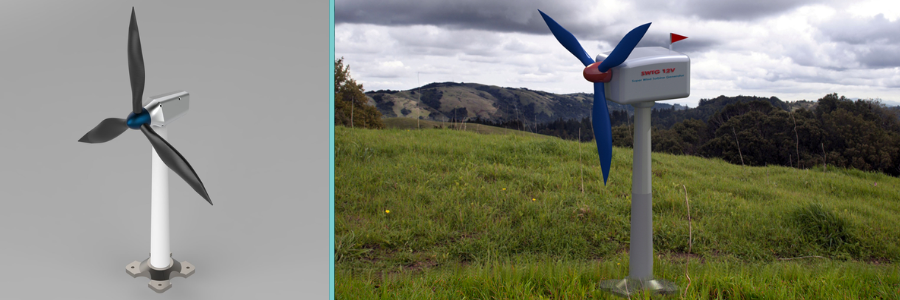
Whirring blades and clean hope, wind turbines hold the future of green energy. New wind turbines tap air-borne kinetic energy into electricity, ending the dependence on fossil fuels. Although the use of wind power dates far back into early centuries-Persian windmills and Dutch gristmills – now turbines drive entire cities. Offshore fields and onshore skyscraper farms are the epitome of engineering aesthetics and environmental needs. Every rotation is a quiet act of rebellion against pollution. With greater energy demands and rising concerns about global warming, the wind turbine is a beacon of renewable technology and promise for the world.
RELATED: The simple secret to unlocking new product innovation at design services companies
74. GPS (Global Positioning System)
It was easy to lose one’s way in the good old days. Then along came GPS. First dreamed up by the U.S. Department of Defense, GPS satellites now guide smartphones, aircraft, and everything in between. Trilaterating signals from at least four satellites, GPS measures precise location, speed, and altitude. From routing around traffic, mapping wilderness, or following packages, it has transformed logistics, travel, and everyday convenience. The tech powers location-based applications, geotagging, and even autonomous vehicles. From Himalayan trekkers to Manhattan city bus riders, GPS puts you within a second of knowing precisely where you are.
75. The MRI machine
Magnetic resonance imaging (MRI) is revolutionizing medical diagnosis. Developed in the 1970s, MRI uses intense magnetic forces and radio waves to produce detailed images of organs, tissues, and bones, radiation-free. It allows doctors to identify tumors, nerve damage, or brain malformations with breathtaking accuracy. Compared to X-rays or CT scans, MRI is also better at imaging soft tissues. Although the machine is heavy and expensive, its diagnostic power cannot be matched. They’ve saved countless millions of lives and revolutionized medicine by providing the promise of early, precise, and non-surgical diagnosis. The MRI is not an apparatus-it’s a window into the secrets of the human body.
76. The keyboard
The contemporary keyboard evolved out of the mechanical typewriter by combining the tactile input with digital ingenuity. The ubiquitous QWERTY keyboard, patented in the 19th century by Christopher Sholes, was designed to slow typing just sufficiently so that jamming wouldn’t result. Ironically, it’s the global standard. From the early IBM terminals to laptop computers and touchscreens of today, the keyboard is the hub of the way humans communicate with machines, making services such as 3D modeling design services possible. Mechanical, membrane, ergonomic, or virtual-the uses are limitless, but the purpose is the same. It’s where screen meets mind, code meets imagination. In the world that’s increasingly digital, the keyboard is the sword of the author, the programmer’s chisel, and the controller of the gamer.
77. The zipper
Small but so easy to take for granted, the zipper is among the most astounding mechanical advances in fashion. First patented in 1851 and improved upon by Gideon Sundback in 1913, it replaced the hassle of hooks and buttons with the rapid, satisfying zip. Zippers revolutionized the clothing, luggage, camping gear, and even space suit industries. Blue jeans and coats to boots and backpacks, zippers seal things shut and keep them handy. Their design is miraculous, short of hinged teeth driven by a slider that mates them up with silky smoothness. The zipper isn’t flashy, but it has the modern world in its grasp; few things can equal it.
78. The Vacuum Cleaner
From clunky equipment to dashing robot wonders, vacuum cleaners have sucked up dirt and made neatness for over a century. The first powered model came in 1901 with Hubert Cecil Booth’s offering to clean homes and hospitals. Vacuums today have battery power, bagless construction, cordless freedom, and smart navigation. They clean in minutes, not hours. They are no longer mere machines; they are allies in the battle against allergens, pet dander, and toddler spills. Roombas map your house now, while backpack vacuums help professional cleaners get the work done faster. The vacuum cleaner would be a suitable example that even household work can be technology-savvy.
79. The barcode
Scan, beep, done. Barcodes enable easy commerce in a quiet style. Created in 1951 and widely used in the 1970s, the barcode changed the way large corporations keep track of products, stock, and prices. All vertical line patterns are readable to a scanner. From hospital wristbands to the checkout aisles of the local supermarket, barcodes make operations seamless and minimize the possibility of error. They’re the behind-the-scenes workhorses of the supply chain that no one gives much consideration to, enabling everything from international shipping to your next online order. QR codes took the idea and expanded it, enabling even richer information access through the use of smartphone technology. The barcode is proof that change can be black, white, and abysmally line-filled at times.
80. The paperclip
Not pretty to behold, the paperclip is an artistic success. Plain Jane works every time and is infinitely recyclable; it’s been used to connect pieces of paper since the late 1800s. Though many inventors took credit, the Gem-style clip was the one that caught on everywhere. Its springy looped wire form clamps securely without puncturing, leaving pages intact. From office memos to courtroom evidence, paperclips hold them all together. They even serve as a DIY SIM card ejector and pocket knife. Norwegians used them as a WWII resistance symbol. The paperclip is tiny, yet the impact is tightly wound within the pages of the past.
81. The microprocessor
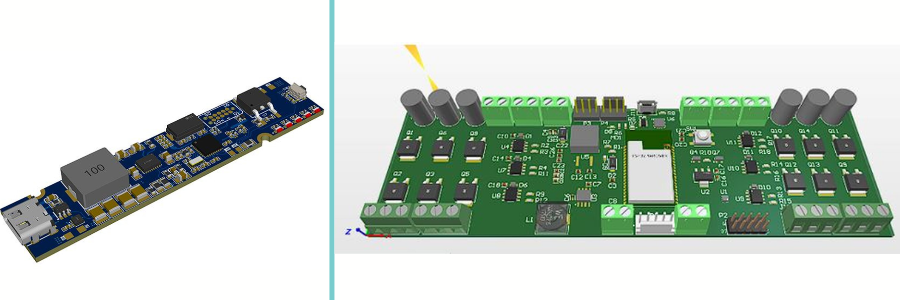
The microprocessor is the central intelligence in almost every modern electronic device. Intel first used the 4004 chip in 1971 to create the first, placing the power of an entire computer onto a single chip of integrated circuitry. Microprocessors launched personal computers and started the digital revolution. On everything from smartphones and calculators to homes and automotive design services, their small silicon hearts power our digital lives. They calculate intense math at light speed and grow exponentially, according to Moore’s Law. Whether it is in your wristwatch or a spaceship, microprocessors calculate information unseen but invaluable. They wouldn’t be changing the face of new technology without microprocessors-it would be nonexistent.
RELATED: Speeding up product development with new product design services companies
82. The smoke detector
That ear-piercing beep is annoying, but it’s also a lifesaver. Smoke alarms, developed in their modern guise in the 1960s, use either photoelectric or ionization detectors to detect particles in the air as a result of fire. A small invention with a massive impact, smoke alarms have reduced deaths in fires by leaps and bounds. They provide people with a warning in time, giving them precious minutes to evacuate a burning building or house. They are now regulated in every nation surrounding residential and commercial properties. Smart smoke alarms nowadays even warn users via phone apps. They may be out of sight, mounted into the ceiling, but their alarm could be the difference between life and catastrophe.
83. The dishwasher
The dishwasher streamlined the post-supper scrub from dreaded drudgery to push-button convenience. Invented by Josephine Cochrane in 1886 and patented, it came into popularity in homes only in the mid-20th century. New models utilize sophisticated sensors, eco-cycles, and steam sterilizing to clean greasy frying pans and fine china. They save water compared to hand washing and sterilize items that are too fragile to be handled with human hands. Dishwashers also reduce home drudgery and give people their precious time back. With their quiet motors and sleek appearances, today’s designs are as lovely as they are convenient. The dishwasher never becomes poem material, but poem-worthy after a big dinner.
84. The velcro fastener
Swiss inventor George de Mestral noticed burrs clinging tenaciously to his dog’s fur in 1941. Out of that was born the creation of Velcro, a hook-and-loop closing system. It is simple, reusable, and utterly convenient. Velcro took the place of zippers, shoelaces, and buttons on garments, bags, sporting goods, and even space suits for wearables design services. NASA’s use of Velcro in zero gravity made it a success on Earth. Kids use it to tie sneakers, and hospitals use it in adjustable braces. Velcro shows that nature is the inspiration, and a small stick can be a mighty big one.
85. The ATM (Automated Teller Machine)
Before ATMs, getting cash was a trip to the bank-and restricted business hours. All that changed in 1967 when London’s Barclays Bank installed the first cash machine. ATMs quickly became global financial staples, allowing individuals to access their funds 24/7. They accept deposits, dispense cash, display account balances, and even facilitate mobile top-ups. With PIN protection and subsequently with features such as cardless access, they have grown ever more secure and convenient. Even with internet banking, the ATM will still be necessary, especially where the internet connectivity is weak. The ATM did not merely transform banking-it made individuals powerful enough to control money, anywhere and at any time, with a card and a code alone.
86. The toothbrush
Despite the fact that there have been forms of toothbrushes dating back to ancient times, which used twigs and animal whiskers, the modern toothbrush began in China in the 15th century and evolved into nylon-bristled brushes in the 20th century. Electric toothbrushes introduced technology into the mix with oscillating heads and timers. Brushing teeth became a twice-a-day routine to become synonymous with overall health. Besides healthy breath and shining teeth, good brushing wards off heart disease and other lethal diseases. Inexpensive, uncomplicated, and effective, the toothbrush is one of the most marvelous individual health appliances-showing that great things are possible in tiny bristles.
87. The chainsaw
Initially designed to help with giving birth, the chainsaw found its way into the forestry industry. Refined in the 1920s to cut down trees, this gas- or electric-powered device slices through wood with teeth that spin on a chain. Chainsaws revolutionized logging, storm cleanup, and surviving in the wild. Even they became integral to ice sculpture, firefighting, and yes, even horror films-although that’s a story for another time. As extremely useful, they have to be treated and trained due to their potential and capacity for damage. Modern models have safety brakes and shock-absorbing features. When trees fall and trails need to be cleared, the chainsaw is the cacophonous buzzing solution to nature’s most intractable problems.
88. The telescope
Even though Galileo did not invent the telescope, his 1609 refinements turned it into a mighty astronomical tool. Telescopes revealed the universe, displaying Jupiter’s moons, Saturn’s rings, and galaxies light-years away from home. Amateur astronomers, with the Hubble Space Telescope, have revolutionized how we know the universe. Optical, radio, infrared, and space telescopes collect light and data from previously unreachable places. The telescope is not only an instrument-it’s a time machine, peering backward millions of years, filling the gap between what we can see and what we want to know.
89. The hearing aid
Ear trumpets were clumsy early models, but now devices are digital, compact, and nearly invisible. They don’t merely amplify sound, but eliminate background noise and even stream from phones and other products from electronic device design firms. Miniaturization and advances in artificial intelligence have provided greater clarity and personalization. For those with hearing impairment, devices open the door to conversation, music, and the pure joy of birdsong. They battle loneliness and enhance the quality of life for all ages. As stigma diminishes, adoption increases, and features expand. The hearing aid is no longer a machine-it’s a promise to come back to the world of sound, proving technology not just repairs, but brings us back.
90. The whiteboard
Whiteboards are marked up using dry-erase markers, not chalk, producing cleaner script and easier erasing. They reduce dust, improve readability, and facilitate interactive teaching or presenting. They’ve evolved into smart boards that may transmit messages with digital content over time. Classroom lessons or brainstorming sessions, whiteboards bring ideas out into the open and disseminate them. Spontaneity is fostered-just grab a marker and begin outlining. The whiteboard is blank, but its functionality makes it one of the most significant tools of inventors, educators, and intellectuals.
91. The blender
Born in the 1920s by Stephen Poplawski, the blender has become a ubiquitous fixture on the kitchen counter, employed to blend, puree, and emulsify. By blending smoothies, soups, or sauces, the blender’s high-speed blades break down solid foods instantly. It provides home cooks and restaurant chefs with the flexibility to experiment with flavor and nutrition. Features like immersion sticks, ice-crush motors, and programmable modes have kept the blender popular with each generation. It is not an appliance, it’s a creativity tool – transforming fresh ingredients into gourmet magic at the touch of a button.
92. The snowboard
From Sherman Poppen’s “Snurfer” in the 1960s and developed by Jake Burton in the 1970s, snowboarding evolved from a backyard sport to a global Olympic sport. The innovation-foot straps, flexy board, and high-glide platform turned mountains into playgrounds and with the help of prototype design services for shoes and athletes. Snowboards today come in freestyle tricks, downhill racing, and deep pow. Snowboarding not only revolutionized alpine travel, but it also brought street-style fashion and alternative culture to ski resorts, too. It demonstrated that invention is not merely about function-it’s about attitude, culture, and breaking the mold.
93. The chainsaw
Originally invented in the 19th century to sever bones in medicine and subsequently invented in the 20th century to sever wood, it facilitated the swift felling of timber and the processing of wood. Gas-powered saws became common with lumberjacks, but electric and battery-powered ones made home usage accessible for in-house trimming and home rehabilitation uses. Through all its frightening presence, technological advancements like chain guards and self-braking have made chainsaws easy to handle and use. Whether for cutting storm debris or precision woodworking, the ability of the chainsaw signifies how uncontrolled engineering can make nature and art a definition.
94. The wheelchair
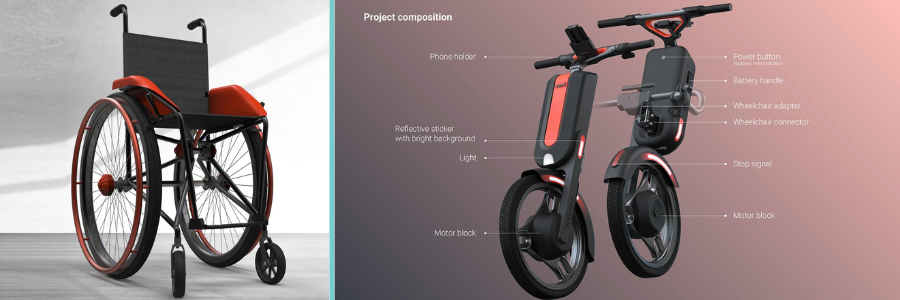
The wheelchair brought mobility to millions of individuals, allowing independence and access for the disabled. The technology evolved from ancient China and Greece to the 20th century with lightweight materials, motorized wheels, and ergonomic designs. Modern electrical wheelchairs today also include joystick technology, a stair-climbing feature, and smart sensors. Sports wheelchairs equip sportsmen with the capabilities to compete in the Paralympics and demonstrate that mobility aids can be performance-based, too. Not every wheelchair is merely an appliance-these are freedom devices, expression devices, and dignity devices. By redefining our access to the public living, working, and recreational space, the wheelchair just keeps rolling past obstacles and redefining the face of inclusion.
RELATED: How is product design different from industrial design services companies?
95. The telescope
First constructed in the early 17th century, most famously employed by Galileo to monitor the moons of Jupiter, it allowed a new paradigm change regarding our position in the universe. Optical innovation took us from fuzzy blobs of stars to star charts and black hole images. Earth-based giants such as Keck and orbiting wonders such as Hubble and James Webb have unveiled distant light and celestial marvels. Telescopes are a blessing to astronomers as much as they are a stimulus for the urge of humans to look and find out. Telescopes are time machines, gazing into the past of the universe and projecting our vision of life.
96. The dishwasher
First patented in 1886 by Josephine Cochrane, the dishwasher was a luxury reserved at first for hotels and wealthy families. The modern dishwasher is now a water-saving, energy-efficient wizard with smart sensors, adjustable wash cycles, and streamlined looks. They sanitize during cleaning, taking the daily drudgery out of kitchen work. Dishwashers not only save time, but they also promote cleanliness, stop family battles, and even conserve water compared to hand washing. They give busy families more than time saved-they offer peace of mind. The dishwasher made cleaning a soft hum in the background of modern life, along with homeware design services.
97. The guitar
From its humble beginnings in early stringed instruments like the lute and oud, the six-string evolved during the 19th century in Spain. Electric guitars that appeared in the 1930s transformed music beyond recognition, letting loose rock ‘n’ roll and extending the imagination. From heavy metal to flamenco, classical to blues, the guitar conforms to genre and to era. Its portability, expressiveness, and intimacy with the player are irresistibly captivating. With six strings and a wooden body, it turns silence into song and thought into anthems.
98. The espresso machine
Invented in Italy in the early 20th century, espresso machines employ high-pressure water to force dense, full-bodied coffee out of extremely fine grinds so fine they’d pass through a fine mesh. Advances like lever-driven machines, pump-driven systems, and electronic temperature control propelled espresso from a fad of the café to a global obsession. From a Seattle countertop to a Milanese coffee bar to some place on earth other than here, the espresso machine infuses every cup with intensity. It ain’t morning time-it’s savoring the small things in life, crema-topped cup for crema-topped cup.
99. Space shuttle
The first reusable spacecraft that was able to transport people into and out of space, bringing science into reality, was developed by NASA in 1981. It is also used to explore the low Earth orbit, return them safely, and reuse them. It utilized its flights to launch satellites, service the Hubble Space Telescope, and construct the International Space Station. Disposable rockets saw none of this airplane-glide-and-rocket-powered ascension. Though retired in 2011, it remains a testament to ambition, brilliance, and international collaboration. The space shuttle demonstrated that space wasn’t merely the last frontier-it was a frontier we could revisit repeatedly.
100. The pencil
A wooden-housed stick of graphite, the pencil is an ageless instrument of thought, drawing, and narrative. Its ancient Roman heritage aside, the 16th-century English discovery of solid graphite provided us with the pencil of the modern era. Small, erasable, and easy to sharpen, the pencil was soon a ubiquitous tool of education, engineering, art, and invention. Designers sketch out plans, students perform mathematics, and writers craft fantasies all on this humble cylinder, and 2D drawing services still utilize it. Its power lies in its subtlety. To doodle or to draw up a blueprint, the pencil enables one to let creativity run with nothing but pressure and possibility. It’s analog, portable, and wonderfully inspiring.
101. The smartwatch
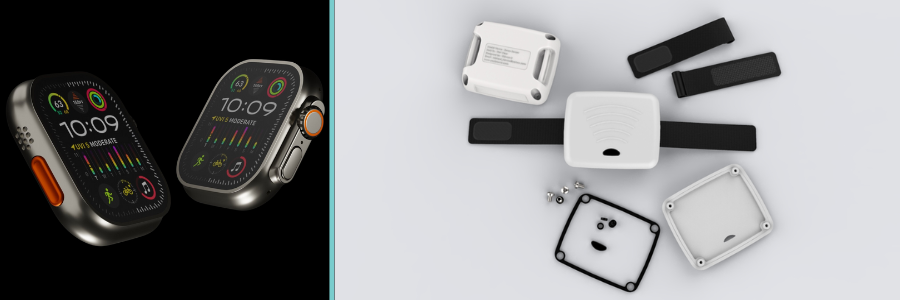
The smartwatch is a wrist-worn personal assistant. It’s more than a digital watch, tracking your health, staying connected, and even making on-the-go purchases. From initial PDA and digital watch concepts, the smartwatch became feasible in the form of the Apple Watch and the Fitbit. It tracks heart rate, sleep, exercise, and oxygenation, too. Completely integrated with phones, it makes and receives calls, reminds, and has AI interactions finger-touch-free. For athletes, for geeks, and for the working class, the smartwatch is wearable intelligence-offering instant information, convenience, and a glimpse at a more connected world.
Inventing the future, one idea at a time
Cad Crowd strongly holds that invention is within the reach of everyone. As a multicultural, open-minded society of inventors, designers, and engineers, Cad Crowd helps visionaries turn ideas into reality as the best platform to find vetted talent to help develop your products. From brainstorming your first product to now, prototyping and ready for large-scale production, Cad Crowd pairs you up with the appropriate talent to design, model, and bring your invention to market. Get a free quote today.



