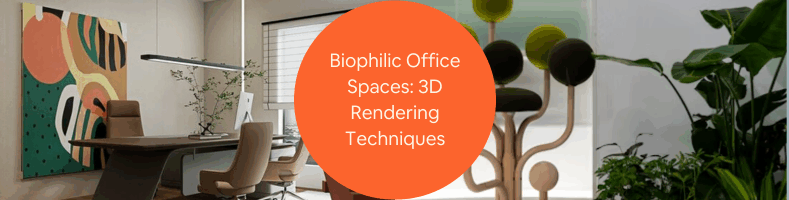
In the rapidly changing work environment of today, where hybrid and remote models are transforming the traditional office system, the role of physical office spaces is undergoing redefinition. Employers understand that to induce face-to-face collaboration and maximize employee happiness, office spaces should be made locations where individuals long to be present.
Incorpotating natural effects for you office spaces in order to enhance the well-being and wellness of your staff, workers or even the visiting customers, is the purpose of having a biophilic design If you don’t know where to start, you can start by leaving a message at the top and leading agency Cad Crowd, to help you connect with the best and reliable product designers and 3D rendering professionals.
Why biophilic design matters in office spaces
Numerous studies have demonstrated that biophilic design reduces stress, enhances cognitive performance, and increases job satisfaction.
RELATED: Urban Wellness Design: 3D Rendering Services for Your Company’s Biophilia
But how can this be practically applied in office spaces? Let’s explore key biophilic design elements that make a difference:
- Natural light optimization: Natural light exposure is essential in keeping circadian rhythms intact and minimizing eye fatigue. Skylight, floor-to-ceiling window, and reflective surface-designed offices maximize daylight exposure, resulting in enhanced energy levels and concentration.
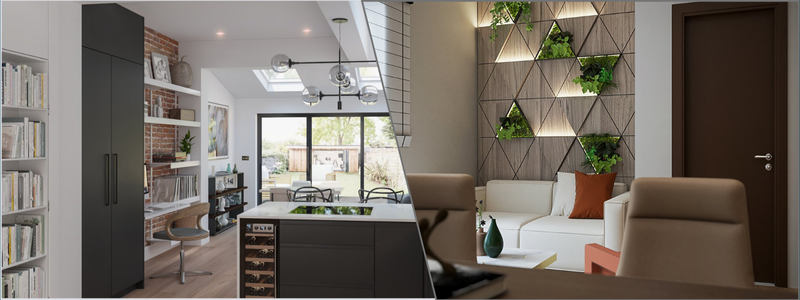
- Indoor greenery & living walls: Plants not only make a space look better, but they also purify the air and provide a cooling ambiance. Adding moss panels, potted plants, or full-scale vertical gardens can greatly add to an office’s beauty and functionality.
- Organic materials & patterns: Wood, stone, and bamboo bring warmth and texture to a workspace, creating an unconscious link to the outdoors. Moreover, biomorphic patterns and shapes that echo natural forms can be incorporated into furniture and decor to subtly invoke nature’s soothing effect.
- Water features & soundscapes: Having water, either in the form of indoor waterfalls, aquariums, or even simulated nature sounds, brings a sense of calmness. These elements minimize noise pollution while enhancing relaxation and concentration.
- Flexible layouts & nature-inspired colors: Open-plan offices with flexible seating arrangements facilitate movement and creativity. Employing soft, earthy colors such as greens, browns, and blues can make spaces feel more welcoming and harmonious.
Though these principles form a utopian workplace, putting them into effect needs more than good intentions – it needs precise planning and visualization. This is where powerful 3D rendering software steps in, enabling 3D rendering designers to create biophilic features in realistic office settings before they are constructed. Through the use of technology, companies can design inspiring workplaces that not only look amazing but also enhance the well-being and productivity of their employees.
Utilizing 3D rendering for biophilic design
Biophilic design is revolutionizing contemporary workplaces, incorporating nature to enhance well-being, productivity, and sustainability. Advanced 3D rendering methods are what architects and 3D architectural rendering firms use to make these utopian designs a reality. Not only do the software tools increase accuracy, but they also facilitate greater communication among stakeholders so that clients are satisfied even before the construction process starts. Here’s how 3D rendering is revolutionizing biophilic office space:
RELATED: How 3D Modeling, Rendering, and CAD Design Helps Architects Create Sustainable Construction
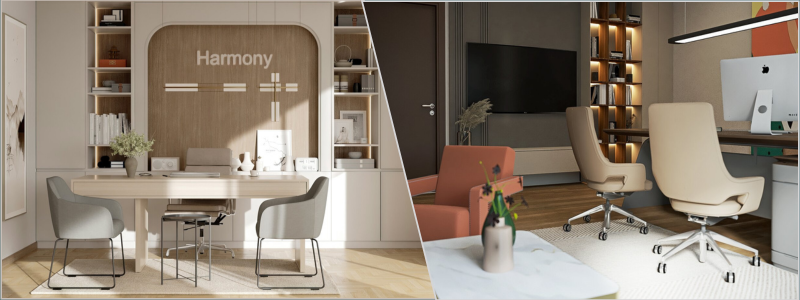
1. Realistic nature integration through advanced texturing
Immersive biophilic spaces need materials that can exactly imitate nature. Advanced 3D rendering programs such as Lumion, V-Ray, and Enscape allow 3D designers to create hyper-realistic textures that imitate wood, stone, vegetation, and water elements. These programs offer:
- Realistic material representation – Be it the grain of reclaimed wood or the touch of a moss wall, rendering software makes sure that lighting and texture react naturally under certain conditions.
- Dynamic environmental controls – Designers are able to mimic different times of day, weather conditions, and seasons so that clients are able to see how their office will appear in different natural environments.
- Interactive customization – The client is able to play back with the design, modifying plant placements or changing natural light levels in real time. This versatility prevents misunderstandings and synchronizes expectations prior to the project’s progression.
2. Parametric design for adaptive workspaces
Biophilic design is not merely a matter of looks: it also means maximizing space for functionality and health. Parametric modeling, found in programs such as Rhino and Grasshopper, allows 3D architectural visualization designers to design responsive layouts that respond to natural conditions. This includes:
- Optimized office layouts – Algorithms consider natural light availability and reposition workstations for maximum exposure.
- Improved spatial flow – Simulating movement patterns, designers can design organic layouts that encourage relaxation and collaboration.
- Nature-inspired geometry – Buildings can draw inspiration from such natural forms as leaf venation or coral, creating spaces that are more in balance and less formal.
RELATED: 6 sustainable design solutions your architectural design services should use
3. Virtual reality (VR) & augmented reality (AR) for immersive previews
One of the most impactful advancements in CAD technology is being able to surround clients with a virtual model of their future workplace. Virtual reality and augmented reality architectural services enable companies to feel the psychological benefits of biophilic design without any construction ever having started. Benefits include:
- Full walkthrough experiences – With VR headsets, clients can walk through their office as if it already existed, evaluating the position of greenery, water, and natural light.
- Psychological impact testing – By going through a nature-integrated workplace first, companies can determine how employees would respond to different biophilic aspects.
- Instant design adjustments – Clients can provide real-time feedback on anything from plant choices to seating arrangements, so fewer expensive revisions later.
4. Daylight simulation for energy efficiency
One of the fundamental tenets of biophilic office design is maximizing natural light to minimize the need for artificial lighting. Through the use of daylight simulation software such as Autodesk Revit and Dialux, 3D architectural visualization design companies are able to model how light performs within a space and make educated decisions regarding:
- Workstation location – Workers can be stationed in spaces with ideal daylight exposure, increasing productivity and mood.
- Window and skylight location – Architects can model variations in sunlight by season to find the ideal location for natural light sources.
- Energy savings improvements – Careful deployment of reflective materials and shading devices can reduce electricity usage dramatically while retaining an open, well-lit atmosphere.
RELATED: How to Utilize 3D Rendering for Offices and Meeting Rooms with Visualization Services Firms
Leveraging 3D rendering services in biophilic office design transcends mere visualization; it focuses on creating healthier, more inspiring work environments that foster a deeper relationship with nature. Utilizing genuine material textures, engaging virtual reality experiences, and energy-efficient daylight strategies, modern CAD tools empower architects to create spaces that not only enhance well-being but also optimize productivity. By integrating these advanced techniques, businesses can confidently invest in biophilic workplaces that attract and retain talent, ensuring sustained employee satisfaction and loyalty for many years ahead. Furthermore, such innovative designs can lead to reduced stress levels and increased creativity among employees, promoting an overall flourishing organizational culture.
Meeting niche client requirements with personalized 3D solutions
Biophilic office design isn’t a solution for all. Various industries have different needs, and bespoke approaches are required that meet the aesthetic, functional, and brand identity requirements. That is where 3D architecture design professionals using 3D rendering platforms (such as CadCrowd) excel.
Tech firms: a fusion of innovation and nature
Tech companies need open, collaborative working spaces filled with plants to increase creativity and combat burnout. With 3D interior rendering services, designers can:
- Model biodynamic lighting systems that adapt according to circadian rhythms.
- Combine futuristic green spaces, such as AI-sustained hydroponic gardens.
- Experiment with acoustic biophilic features such as plant-based sound absorbers to combat noise pollution.
RELATED: Luxury CAD Home Office Design Ideas for Your Architectural Company or Firm
Law firms & corporate offices: a balance of prestige and serenity
While upholding a professional image, corporate spaces can still include biophilic features to improve focus and productivity. Luxury interior visualization design companies use:
- 3D simulations of natural stone-clad boardrooms with subtle greenery accents.
- High-definition texture mapping on upscale wooden desks and plant-filled walkways.
- Biophilic sound panels that merge design with soundproofing requirements.
Healthcare & wellness centers: healing forces of nature
Medical practices and therapy rooms increasingly adopt biophilic design to foster relaxation and well-being. 3D visualization software aids:
- Calming, nature-mimicked waiting spaces prior to making material choices.
- Simulate stress-reducing color schemes combining natural colors with medical-grade finishes.
- Improve airflow and lighting conditions in patient recovery rooms.
Coworking spaces: responsive and resilient natural spaces
Common spaces need to be adaptable, and biophilic design helps establish interactive environments. 3D modeling services are beneficial in:
- Planning modular green dividers for varied work schemes.
- Modeling ergonomic, plant-bundled furniture arrangements.
- Predicting multi-sensory encounters, like the diffusion of fragrances and nature sounds.
RELATED: Inclusive Design for Corporate Offices and Creating Accessible Workspaces with Engineering Firms
CadCrowd’s role in developing biophilic office spaces
Biophilic office design is transforming the workplace landscape by seamlessly integrating elements of the natural world within the constructed environment. This innovative approach not only fosters employee well-being but also enhances productivity and sparks creativity among workers. For organizations aiming to adopt biophilic design principles in their office spaces, it is often essential to seek out specialized expertise, particularly regarding CAD-based design solutions.
This is where Cad Crowd comes into play. As an international platform that connects businesses with highly skilled freelance CAD designers, CadCrowd facilitates the realization of nature-inspired office designs, all while maintaining a strong emphasis on detail and efficiency. By bridging the gap between companies and talented professionals, CadCrowd is significantly changing the way workplaces are designed and experienced. Here’s an exploration of how this platform is making a meaningful difference in the realm of biophilic design:
Matching clients with niche experts
Biophilic design is more than simply adding some potted plants or letting in more natural light. It requires strategic intent, material specification, spatial analysis, and even acoustic design. Various businesses have different requirements – a technology startup might need parametric design pieces so that the result is a futuristic, nature-inspired look, whereas a law firm would concentrate on using natural acoustics to give it a soothing yet professional ambiance. Cad Crowd’s platform sees to it that businesses are matched with 3D modeling designers who have expertise in these exact departments.
RELATED: How to Create Captivating 3D Commercial Rendering Architecture Designs for Companies
By going through a rigorous vetting process, the marketplace connects with experts in biophilic office design so that every project can take advantage of designers familiar with the intricacies of integrating nature, from airflow optimization to green material selection. This specialized process bypasses the trial-and-error and guessing stage that often comes with working with conventional design companies.
Providing flexible 3D rendering solutions
One of the main issues in designing biophilic offices is understanding how the eventual space will function and appear. Unlike traditional office design, which is linear in nature, biophilic layouts involve organic curves, living green walls, fountains, and tactile natural material, making precision planning and the right representation of paramount importance. This is where 3D visualization services and rendering come into play.
CadCrowd gives companies the ability to work with freelance 3D CAD designers who specialize in 3D modeling and rendering, giving clients the chance to visualize their idea before ground is ever broken. Whether simulating daylighting effects at different times of the day or testing how green walls respond to workspace configurations, these sophisticated visualizations enable companies to make smart choices. Customers can ask for personalized renderings, test different biophilic features, and refine designs to meet both aesthetic and functional objectives.
RELATED: 7 Ways 3D Interior Designer Services Are Used to Maximize Living and Working Spaces
Reducing costs & time-to-market
Conventional office design procedures usually involve lengthy back-and-forth dialogue among architects, interior designers, and builders, resulting in prolonged timelines and added expenses. CadCrowd’s on-demand design strategy streamlines project delivery by offering immediate access to qualified 3D CAD professionals without long-term commitments or expensive design companies.
RELATED: Types of 3D visualization for architectural design and CGI projects
Since freelancers on the platform work with flexibility, companies can hire designers on a project-by-project basis, saving costs without compromising quality. Not only does this save costs, but it also reduces the time from idea to execution, enabling companies to refurbish their office spaces effectively.
Conclusion: the future of work is green and digital
As more companies recognize the numerous benefits of biophilic office designs, the demand for high-quality 3D visualizations is expected to rise significantly. By leveraging state-of-the-art CAD tools and collaborating with innovative design platforms like Cad Crowd, architects and 3D architectural animation firms can ensure that their office spaces are not just visually stunning, but also thoughtfully crafted to enhance employee well-being and promote environmental sustainability. This holistic approach not only fosters a productive work environment but also aligns with modern values focused on health and sustainability, making the investment in biophilic design an essential consideration for future-focused organizations.
How Cad Crowd can help?
As the need for biophilic office design expands, CadCrowd can connect your company with dedicated and expert design experts specializing in adaptive visualization technologies and low-cost project fulfillment. Whether it’s an open working space filled with nature, a quiet office space for wellness, CadCrowd will help you build offices promoting health, imagination, and efficiency while embracing nature’s beauty. With the capability of 3D rendering, nature and architecture become one, harmoniously blending into each other. What are you waiting for? Get your FREE quote now