
As landscape designing and architecture keep evolving, photorealistic rendering has emerged in many ways that it already become a total game-changer. This allows designers and architects to create incredibly realistic lifelike representations of their projects that enhance their ability to communicate ideas, attract clients, and streamline the design process. The growing demand for high-quality visuals in various sectors, including real estate, product design, and marketing, underscores the importance of photorealistic rendering.
Table of contents
- What is photorealistic rendering?
- Photorealistic rendering process
- Applications of photorealistic rendering
- Importance of photorealistic rendering
- Conclusion
- How Cad Crowd can help
CAD Crowd is a leading agency that can help you connect with 3D rendering experts with a stellar reputation for delivering exceptional results. Consisting of over 94,000 experts, we pride ourselves on our ability to meet and exceed your highest standards. Whether you’re looking for innovative solutions, strategic insights, or top-tier execution, CAD Crowd has the expertise and the talent to bring your vision to life. Together with our unmatched experience and commitment to excellence, we are the trusted partner you can rely on for success.
RELATED: 3D Rendering vs. Photography: How Photorealistic 3D Modeling Can Help Your Company
What is photorealistic rendering?
With the visual communication era fast becoming the new norm, every industry leveled up the creation of images as close to reality as possible. This has significantly transformed the fields of architecture, gaming, film, and product design. Photorealistic rendering services involve a technique used to create an image that resembles a real photograph.
In other words, photorealistic rendering is an art and science imitating the behavior of light and the way materials behave in the real world. The method employs advanced computer graphics techniques simulating the light behavior in relation to surface interaction; it produces highly accurate pictures of objects and environments. Photorealistic images break away from the traditional and usual stylization or illustration-based renderings because they emphasize realism, considering minute details like shadows, reflections, textures, and color variations.
RELATED: 8 Ways 3D Photorealistic Renderings Help Architectural Design Services with Projects
Photorealistic rendering process
These are the key steps in generating photorealistic rendering that require artistic skill and technical knowledge.
- Modeling: This is where an object or scene is modeled in three-dimensional space (3D). Either sculpt complex geometries or avail oneself of pre-existing models from libraries.
- Texturing: Used to give a large amount of detail to a model by adding textures. It involves addition of surface details, such as patterns, colors, and material properties. However, each aligned textures must be correctly placed as determined by techniques like UV mapping.
- Lighting: The most fundamental trick of any photorealistic rendering is proper lighting. Artists emulate different sources of light, factoring intensity, color, and position. The interplay of light and shadow creates depth and dimension, making a scene look all the more real.
- Rendering: The process of 3D modeling design experts converting a 3D model into 2D. Advanced algorithms like ray tracing and global illumination determine how light interacts with surfaces of objects, which can be really computationally intensive and resource-heavy, demanding much processing power and time.
- Post-Processing: Once the main rendering is done, artists post-process the final image using image editing software to enhance realism by providing contrast and color grading, plus introducing effects such as depth of field among others.
RELATED: How Photorealistic 3D Rendering Design Saves Companies Money
Applications of photorealistic rendering
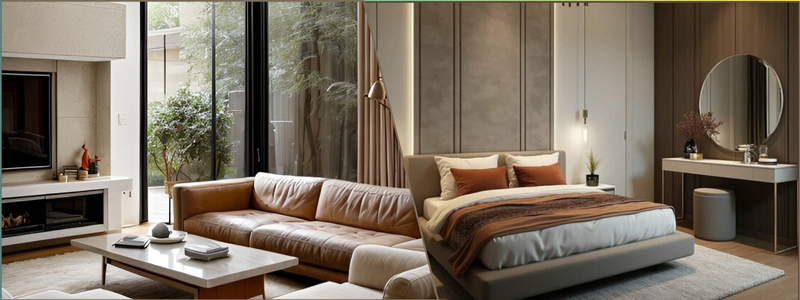
Photorealistic rendering has changed the face of many industries quite simply because it does create images that are so realistic, people cannot do without them. Architects and clients can now see completed designs before any construction has even started. This would enhance better decision-making and helps facilitate changes in the design, if any. In interior designing, photorealistic rendering aids in presenting such ideas, making the presentation much clearer on how materials and colors are going to interact within the space, and it’s easier for the clients to really imagine the final product.
Photorealistic images have a significant beneficial effect upon the real estate sector, as they allow properties to be shown in the most attractive light when purchased by potential buyers. This very often hastens sales. In the automobile industry, using this technology, manufacturers are able to produce magnificent visuals of models that never will be hitting showroom floors.
Such is the reason photorealistic rendering has found application in industries of gaming and film, for creating completely immersive environments; this level of detailedness for stories is unmatched. Applications of photorealistic rendering continue to grow steadily with advancing technology thereby expanding the creative processes across disciplines.
Importance of photorealistic rendering
Beyond aesthetic purposes, photorealistic rendering becomes a powerful means of communication. Complex ideas and concepts from professionals in all walks of life can be communicated via 3D product rendering services in the clearest and most precise of terms. High-quality visual presentations will mark businesses in a special way and attract more clients to come up with sales in competitive industries.
Since the purpose of photorealistic rendering is to create photorealistic technology, it is in a constant process of evolution. Real-time rendering is starting to get that realistic, and we’re finally seeing possibilities of interactive virtual and augmented reality experiences popping up here and there. All that will most likely alter how we look at and interact with digital content, and photorealistic rendering will likely become an important tool for digital content creators.
Having said all this, there is no denying that photorealistic rendering is the epitome of artistic and scientific synthesis that allows for an unprecedented level of realism in the visual. Its applications range across fields, and it serves as part of how one intends to pass on communicative messages and ideas in modern design.
As such, increasing demands for high-quality visuals make the relevance of photorealistic rendering even more pertinent in terms of understanding the world around us. Now that you’ve learned the basics, it’s time to delve deeper into the impact of photorealistic rendering on design services, outlining ten key benefits for firms and 3D design freelancers.
RELATED: 5 Business Tips for Creating Photorealistic Interior Renderings for Your Company
1. Better visual communication
Because of photorealistic rendering, the visual communication is also enhanced due to the accurate presentation of details. Traditional 2D drawings usually cannot communicate the expressiveness of a design, leaving clients and stakeholders full of questions and uncertainties. Photorealistic image informs the clients of the details of the project starting from texture, color, to lighting. This will allow to close the gap between designers and clients in terms of communication, leading them to better understanding.
Case study: architectural companies
Architectural companies have mentioned that, in most cases, if photorealistic renderings are provided, it is more likely to be passed on by the clients. A leading company used super-quality 3D rendering for showcasing their designs and, in return, saw 30% increases in the client-approved designs. The photorealistic images help the client better visualize the final product, thus making the project workflow smoother.
2. More effective marketing
In today’s competitive market, making an instant impression is everything. Image rendering in photorealism is an important part of the marketing portfolio of design firms, real estate developers, and manufacturers of different products. Brilliantly done visuals can make a difference between a great brochure and an exciting website of one’s marketing materials.
RELATED: Photorealistic Rendering Prices: 5 Factors that Affect 3D Modeling Costs at Firms
Example: real estate listings
Real estate agencies that uses photorealistic renderings have a lot to gain in the marketing of properties. This particular aspect ensures that most properties sell out fast and at a higher price in their visualization. Using better lighting for viewings means that agents attract more people into houses, thus increases sales, and better commissions.
3. Streamlined design process
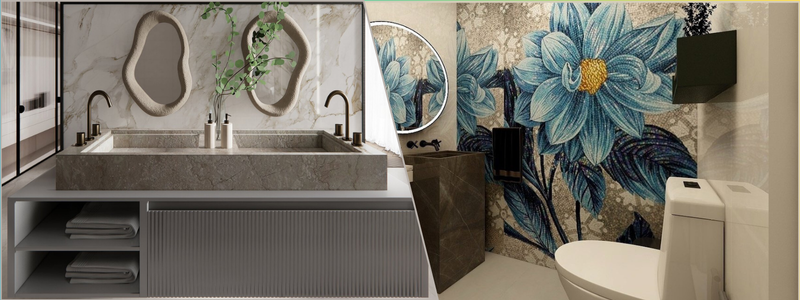
Photorealistic rendering streamlines the design process because it enables 3D rendering designers to come up with detailed, conceptual ideas and iterate them very fast. Unlike using sketches and CAD drawings only, designers can quickly develop representations of their ideas, thereby making it possible to hasten feedback as well as revisions. Agility is important within today’s fast-paced design environment.
Integration into workflow
Integration of photorealistic rendering into the design workflow results in shortening the project timelines dramatically. A design firm that uses rendering software, showed a reduced time of up to 40% in finalizing designs, which could lead to taking up more projects, and increase in revenue. Teams are able to work together towards much effective design as real-time 3D visualization services enhances client engagement.
RELATED: Why Companies Need 3D Visualization
4. Enhanced client engagement
To successfully complete a project, it is essential to engage with the clients during the design process. Photorealistic rendering is useful in creating engagement with the clients in the task, as this can give the client a realistic feel and view of the design. Therefore, a client would get a good view of the space or product from where it could get easy feedback and also their preferences.
Interactive presentations
Some companies are embracing interactive rendering technologies that enable clients to explore potential designs in an interactive virtual environment. The immersion associated with the experience, by its nature, allows for a better bonding between the client and the project. This client-company relationship empowers informed decisions and results in higher client satisfaction and better relationships.
5. Cost savings on revisions
Revisions in the design stage are inevitable, but that leads to an increase in cost and delay. Photorealistic architectural rendering companies minimize the change that occurs at the final stages of the project. If the clients can see the realistic approach at an early stage, there is a great probability that they will decide based on a visualized concept because there are fewer chances of last-minute alterations costing a fortune.
RELATED: 3D Visualization: The Future of Architectural Design
Financial gains
A study of architectural firms revealed that their photorealistic rendering projects decreased 25% of their process time in revising a project. Identification of potential problems early can save firms time and money; thus, it is easier to give an accurate budget and resource allocation within a project.
6. Better exploration of designs
It opens a new world for design exploration, creating photorealistic rendering that allows prototype designers to explore different materials, colors, and layouts without being held captive by physical models or prototypes. This is the measure of creativity or innovation, thus allowing firms to push the boundaries of design in the real world.
Examples of exploration
Many designers utilize rendering software as an experimental tool for playing with different kinds of material and lighting effects. Innovation born from experimentation can lead to some really unique design solutions that allow firms to stand out within the competition. The photorealistic rendering appreciative furniture design firm, for instance, designed a line of green furniture that, in alternative ways, put together various elements of sustainability, thereby giving much attention to the industry.
RELATED: How to Select a 3D Furniture Rendering Services Company for Photorealistic Results
7. Increased client confidence
Trust is always an important component in any client-designer relationship. So long as designers show their expertise and care through photorealistic renderings, they will attain more creditability with their clients. Clients will always feel assured when their designer takes time to sketch images that are realistic, because it symbolizes a commitment to quality and professionalism.
Reputation building
Consistently delivering quality renderings is something that could set one company apart from the rest. These can often generate good word-of-mouth referrals from happy clients who appreciate the clarity in visions and professionalism throughout the design process. This reputation generates more substantial projects and a loyal client list.
8. Competitive advantage
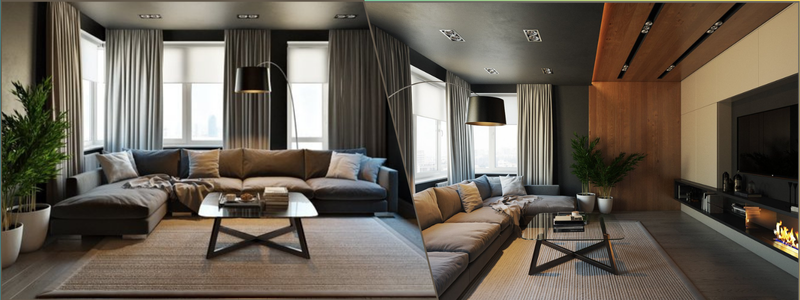
Having a competitive edge is essential for success in the competitive market of 3D rendering. Some businesses decide to outsource photorealistic rendering to companies or 3D modeling freelancers. These high-quality visuals help designers present their projects in a way that makes them stand out from competitors who rely solely on traditional methods.
RELATED: 3D Modeling vs. 3D Rendering Services
Market positioning
Designers who employ photorealistic rendering are placed as one of the best guns in the industry. A freelance interior designer began offering photorealistic rendered pictures of her current work. She emerged known to be one of the classic designers and the detail person, and clients began clamoring for her to get on their designs.
9. More portfolio options
For both companies and freelancers, photorealistic rendering becomes a means of portfolio enhancement. High-quality visuals added to a portfolio make it stand out through the creativity and skills applied by the designer. Many clients will be attracted to a well-curated portfolio with outstanding renderings, helping to unveil a new project while at the same time communicating the designer’s vision .
Portfolio development
With the investment in photorealistic rendering, a very diverse portfolio can be created for most industries, thus making it very appealing. In showing the capabilities of working on different styles of designs and techniques, freelancers will be able to gain different ways of expanding their client base and earning more cash.
RELATED: 13 Tips for Creating the Best Industrial Design Portfolio
10. Sustainability and ethical design
With sustainability becoming the heart of most designs, it really takes an extraordinary opportunity to make these photorealistic in promoting the practice of sustainability. Sustainable design choices will be able to visualize in appropriate forms, including energy-efficient lighting, use of sustainable materials, incorporation of green spaces, and so much more.
Promotion for sustainable design
Using photorealistic rendering to promote sustainable design ideas, a firm will be able to promote environmentally friendly practices. On one hand, a firm attracts eco-conscious clients, while on the other hand, it positions itself as a leader in sustainable design. A landscape design company that used photorealistic renderings to express the concept of green design in landscape architecture was recognized for its commitment to environmental practice and received more projects.
Conclusion
No doubt that photorealistic rendering has drastically changed the design service. Improved communication visually, effective service access to clients, cost savings, and competitive edge-all these benefits are to be had by firms and 3D freelancers. As technology improves and photorealistic rendering becomes increasingly competitive, new photorealistic rendering adopters will be winners.
RELATED: Integrating 3D Rendering with Photography for Architectural Development Companies
Such companies and designers have the advantage of rendering an innovation curve in their processes as well as outputs. In a time when the demand is high for high-quality visuals, those who have an advantage in photorealistic rendering will find themselves perfectly positioned to meet the challenges and opportunities in the competitive market.
How Cad Crowd can help
Photorealistic rendering’s impact on design services is simply undeniable. If you’re an established 3D firm or a rising 3D freelancer, you will never regret taking advantage of photorealistic rendering. Allow Cad Crowd to guide you along the way so you can complete your projects in no time. Request a quote today.