You’ve got a brilliant idea for a new gadget—sleek, smart, and destined to change the world. Or maybe you’re staring at a clunky old version of your company’s best-selling tool, ready to bring it into the modern age. Either way, you’re looking to design something. But here comes the question that often confuses even seasoned entrepreneurs: Do you need a product designer or an industrial designer? Here’s the fun, honest breakdown
Spoiler alert: product design and industrial design services aren’t the same thing. Sure, both roles orbit the same creative solar system, but their orbits are distinct—and occasionally collide in brilliant ways. Think of it like comparing a DJ to a music producer. Both craft experiences through sound, but one works the crowd live, while the other shapes the underlying structure of the track. That’s the kind of difference we’re talking about here.
If you’re on the verge of launching the next big gadget, app-connected appliance, or sleek new wearable, knowing the difference between product and industrial design could be the key to whether your idea dazzles… or fizzles.
🚀 Table of contents
- So, what’s in a name?
- Where the lines blur (and that’s a good thing)
- The industrial designer: Master of tangible beauty
- The product designer: Architect of the entire experience
- Collaboration or competition? Actually, it’s teamwork goals
- Where the lines blur—and why that’s okay
- How companies choose: The practical breakdown
- What it means for startups vs. corporations
- Tools of the trade: Where the software tells a story
- Who gets the credit?
- Final thoughts: Hire for vision, Collaborate for success
- How Cad Crowd can help?
So, what’s in a name?
The confusion starts with the labels. “Product designer” and “industrial designer” get tossed around like they’re twins. They’re more like cousins—close, but raised in different parts of the design world.
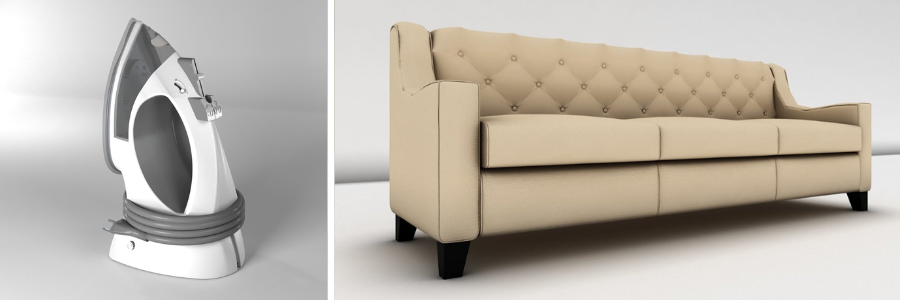
Industrial design is grounded in physical product creation. These designers obsess over tangible things. They’re the minds behind the ergonomic grip of a toothbrush, the sleek silhouette of your favorite speaker, or the intuitive layout of a car dashboard. Their craft sits at the intersection of aesthetics, engineering, and usability. When you admire the curve of a chair or how perfectly a coffee machine fits on your counter, you’re seeing an industrial designer’s fingerprints.
Product design companies, on the other hand, are a broader, evolving discipline. It absolutely includes physical products—but also stretches into digital interfaces, UX (user experience), systems thinking, and even behavior design. It’s the zoomed-out view of how users interact with a product over time, across physical and digital touchpoints.
Here’s a quick way to picture it: If a product were a movie, the industrial designer is the set designer and costume genius, making every object feel right in your hands and beautiful to the eye. The product designer is the director, making sure the story flows, the characters (aka users) are satisfied, and every moment makes sense in the bigger picture.
RELATED: How to reduce costs on 3D product development with remote CAD experts for companies
Where the lines blur (and that’s a good thing)
Despite the differences, there’s plenty of overlap. In the real world, industrial design experts often take part in UX conversations, and product designers may sketch physical prototypes. The best results often come from tight collaboration between the two, especially when hardware and software are dancing partners—think smartwatches, fitness trackers, or even modern thermostats.
So, do you need a product designer or an industrial designer? The answer depends on what you’re building. If it’s physical and needs to delight people in the real world, you probably need industrial design chops. If you’re thinking about how users flow through an ecosystem—physical, digital, or both—product design is your guiding light.
In short, choose your creative co-pilot wisely. The success of your next big idea might just hinge on it.
The industrial designer: Master of tangible beauty
Ever picked up a product and thought, “Wow, this just feels right”? That’s no accident. Behind that satisfying shape, that perfect grip, and that sleek surface is the handiwork of an industrial designer—someone who lives at the intersection of artistry and engineering.
Industrial design is where beauty meets practicality. These CAD freelance professionals are the reason your smart speaker doesn’t just sound good but blends seamlessly into your décor. They’re obsessed with how things look, feel, and function. Materials, ergonomics, and manufacturing methods—every decision is deliberate. That smooth curve on your electric toothbrush or the matte finish on your coffee maker? It was sketched, modeled, tested, and refined again (and again) by someone who’s part sculptor, part strategist.
Their process usually begins with sketching bold ideas and translating them into CAD models. Then comes prototyping—sometimes with foam, other times with 3D printing design services—so they can get their hands on the concept, test it, twist it, drop it, and improve it. It’s creativity grounded in reality.
But they don’t work alone. Industrial designers are deeply collaborative, aligning closely with engineers, marketing teams, and manufacturers. They know a great idea only matters if it can be produced efficiently and still dazzle consumers. They juggle aesthetics with cost, innovation with practicality.
Their fingerprints are on just about everything: sleek smartphones, intuitive kitchen gadgets, high-performance athletic gear, and even life-saving medical tools. That chair you melt into at work? It’s not just comfortable by chance.
Industrial designers shape the everyday objects we often take for granted, transforming functionality into something that feels like magic in our hands.
The product designer: Architect of the entire experience
Now, enter the product design experts—the Swiss Army knife of design services.
Product designers focus on the complete user experience (UX). That means they care about how the product is used, not just how it looks. Their work spans digital and physical domains, and they’re often found mapping out user journeys, conducting usability tests, and refining the logic behind every button click or swipe.
Yes, they might sketch out the outer shell of a product too (especially in startups or smaller teams), but they’re equally concerned with the interface, packaging, service model, and long-term product lifecycle. They might design the onboarding flow of an app, the haptic feedback of a button, or even the repairability of a wearable device.
Product designers are also strategists. They work upstream—researching user needs, assessing market trends, using open innovation services, and identifying opportunities long before a single CAD file is created. And downstream—testing with users, measuring engagement, and suggesting feature updates.
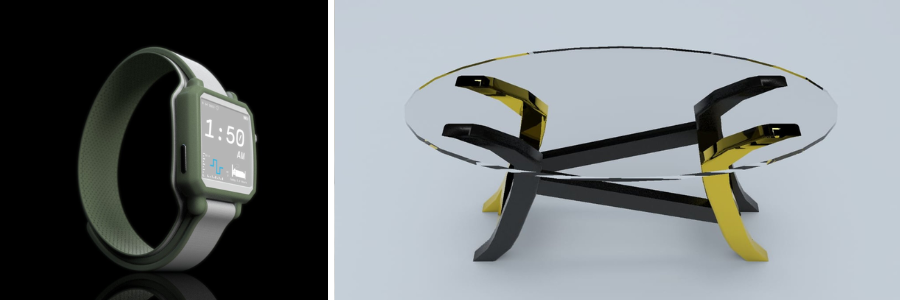
In other words, while an industrial designer might perfect how a smartwatch looks and feels, the product designer ensures it syncs with your phone, displays the data intuitively, and doesn’t frustrate the user after three days of wear.
RELATED: Cost-effective methods for new product design & development services for your company
Collaboration or competition? Actually, it’s teamwork goals
There’s a common misconception that industrial design and product design are locked in some kind of creative turf war. But truthfully, the most successful products don’t pick a side—they blend both disciplines like the dream team they are. Think of it less like a rivalry and more like a power duo: peanut butter and jelly, Batman and Robin, or a Spotify playlist that just gets your vibe.
In reality, industrial and product designers are playing different positions on the same team. Industrial design focuses on the physical form—how the product looks, feels, and functions in the real world. Meanwhile, product design zooms out and designs the entire user experience, from interaction flow to digital integration.
When these two worlds collide in harmony, magic happens. Literally—take the Apple Magic Mouse. Its sculpted exterior is a showcase of industrial design precision, while the intuitive touch gestures and user flow are the handiwork of a thoughtful consumer product design service. The result? A tool that’s as elegant as it is functional (well, minus that awkward charging port on the bottom—nobody’s perfect).
Companies that recognize this collaborative sweet spot don’t just make products; they craft experiences. They solve real problems in ways that feel effortless. And in a market that’s full of noise, that kind of synergy speaks volumes.
So instead of drawing a line in the sand, it’s time to set shared goals. Because when industrial and product designers team up, everyone wins—especially the user.
Where the lines blur—and why that’s okay
Here’s where things get especially compelling. The once-clear boundary between industrial design and product design? It’s getting fuzzier by the day—and that’s not necessarily a bad thing. Thanks to the rise of accessible design tools, online education, and collaborative workspaces, more professionals are crossing traditional lines and building hybrid skillsets.
It’s not unusual now to see an industrial designer experimenting with digital interfaces or a product designer diving into sculpting and physical prototyping engineering services. Platforms like SolidWorks and Figma live side by side in the same workflow. One designer might be 3D-printing a hardware prototype in the morning and refining an app’s user flow in the afternoon. Especially at startups or lean teams, versatility becomes an asset. One person often wears multiple hats—part engineer, part interface designer, part brand strategist.
Still, there’s value in deep focus. A designer who’s spent years studying user ergonomics or perfecting app UX flows will likely outperform a generalist in that specific area. Companies face a strategic choice: hire a specialist who brings depth and precision, or bring in a multi-disciplinary talent who can adapt, connect, and iterate across mediums.
The key takeaway? The line between industrial and product design is more of a gradient than a wall. That overlap can lead to richer collaboration, more intuitive products, and faster innovation. And in a landscape where agility and insight matter more than rigid roles, blurring the lines might just be the smartest move of all.
RELATED: Speeding up product development with new product design services companies
How companies choose: The practical breakdown
Picture this: you’re a company about to launch a new product. The prototype sketches are on the whiteboard, excitement’s in the air, but then comes the million-dollar question: Who do we call first—an industrial designer or a product designer?
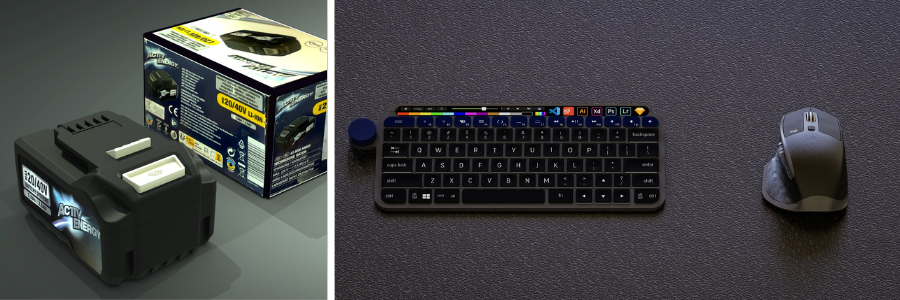
If your vision involves a tangible item—say, a sleek gadget, furniture piece, or a tool meant for mass production—an industrial designer is your go-to partner. These folks are experts in turning ideas into physical objects that are not only functional but also use principles from design for manufacturability services and aesthetics. They’ll fine-tune every curve, texture, and material to ensure your product feels as good as it looks. Need it to fit into an injection mold or have a premium metallic finish? They’ve got it covered.
But what if your product also lives in the digital world? Suppose it needs an app, connects to Wi-Fi, or includes a screen—enter the product designer. These specialists zoom in on user journeys, interface clarity, and how people interact with the digital side of your product. They care about how your product feels in a user’s hand and how it responds to a swipe, tap, or push notification.
Still scratching your head because your project spans both physical and digital? Like a smart thermostat or a wearable fitness tracker? That’s your cue to bring both designers into the room. Not just in the final stages, but early, during brainstorming, sketching, and planning. When these two disciplines collaborate from the start, you get something more than just functional or beautiful. You get something truly integrated, delightful, and user-friendly.
In the end, choosing who goes first isn’t about hierarchy—it’s about what your product needs to succeed. And often, it needs a bit of both worlds.
What it means for startups vs. corporations
Startups move fast—and often on a tight budget. Hiring both an industrial designer and a product designer? Not always an option. That’s why many young companies look for a hybrid designer who can wear both hats, or they team up with agencies that offer an all-in-one package. These agencies usually have dedicated specialists, but they work closely together to deliver a cohesive, streamlined product.
Corporations, by contrast, have the resources to go deep. They often break down their design pipeline into clear roles: industrial design, product design, UX research, engineering design services, and more. This approach allows for serious depth and technical expertise. But it also comes with a catch—silos. When teams don’t talk, design suffers. Great products come from great collaboration, not disconnected departments.
Whether you’re launching your first MVP or refining a next-gen device for a global market, timing matters; bringing in the right designer at the right stage can prevent costly delays, endless feedback loops, and design misfires. It’s not just about talent—it’s about alignment. Understanding the strengths and limits of your setup, whether lean or layered, can make all the difference in how smoothly your product journey unfolds.
Tools of the trade: Where the software tells a story
Sometimes, the easiest way to tell an industrial designer from a product designer is by snooping around their software. It’s not just about what they create—it’s how they build it.
Industrial designers often live in the land of SolidWorks, Rhino, Fusion 360, and KeyShot. Their screens are filled with exploded views, intricate renderings, and glossy material libraries. Adobe Illustrator might pop in, too, especially when surface graphics need that perfect polish. And the final proof? You can usually pick up what they’ve designed—literally. Whether it’s a prototype you can turn in your hand or a photo-realistic rendering service that looks ready for the shelf, industrial design is all about form, function, and physical presence.
On the flip side, product designers navigate a digital-first universe. Their toolbelt features Figma, Sketch, Adobe XD, and InVision—each one tailored for user flows, app interfaces, and seamless interactions. Add in some Blender or Fusion for the occasional 3D exploration, and it becomes clear: this is the realm of journey maps, user personas, wireframes, and pixel-perfect layouts. There’s no shortage of sticky notes either—some physical, many virtual.
Sure, there’s overlap. And it’s growing in exciting ways. But try designing a toothbrush in Figma or wireframing an app in SolidWorks, and the differences become hilariously obvious. These tools aren’t just software—they’re storytelling devices, uniquely suited to the kinds of problems each designer is solving. The tools may differ, but the goal remains the same: great design that works.
RELATED: How is product design different from industrial design services companies?
Who gets the credit?
When a product becomes wildly successful—think smartphones, fitness trackers, or even that sleek coffee maker in your kitchen—it’s tempting to pin the win on one brilliant mind. But that’s rarely the case. The real magic? It’s a team effort for product development experts.
The industrial designer deserves a huge nod. They’re the ones who sculpt the physical form, choose materials, and make sure the product doesn’t just look good but can actually be manufactured without costing a fortune. They’re the reason your device feels solid in your hand and looks sharp on your desk.
Then there’s the product designer—deep in the user experience trenches. They map out how the product works, how it feels to interact with, and whether the features genuinely solve your day-to-day problems. When something just makes sense, that’s no accident. It’s a thoughtful, intentional design.
But the real success comes from collaboration. When these two design disciplines push each other—one rooted in aesthetics and physical realities, the other grounded in usability and customer needs—the results are incredible. It’s not about who deserves more credit; it’s about how their different approaches elevate each other.
Final thoughts: Hire for vision, Collaborate for success
At the end of the day, understanding the difference between industrial design and product design isn’t just academic—it’s a strategic advantage, especially for electronic device companies.
When companies choose the right designer at the right moment, they reduce time-to-market, cut costs, and wow customers. When they confuse the roles or underinvest in design altogether, they end up with a product that’s awkward to use, hard to manufacture, or worse—forgotten.
So, whether you’re dreaming up a new gadget, redesigning a best-seller, or building an ecosystem of hardware and software, think beyond just “design.” Think about which kind of design your product needs, and build your dream team accordingly.
Because in the battle of industrial design vs. product design, the winner is always the company that hires both.
RELATED: A guide to electronic product design for manufacturing with PCB design firms & engineers
How Cad Crowd can help?
Ready to bring your next breakthrough product to life but unsure whether you need industrial design expertise, product design vision, or both? Cad Crowd is the best freelance marketplace for product and industrial designers. Our vetted experts understand the nuances between industrial and product design, delivering tailored solutions that transform your ideas into market-ready innovations whether you’re launching a startup’s first prototype or refining a corporate product line, partner with Cad Crowd to access the right design talent at exactly the right moment for your project’s success, leading globally as the number one platform for 3D CAD and product development services. Get a free quote today.