
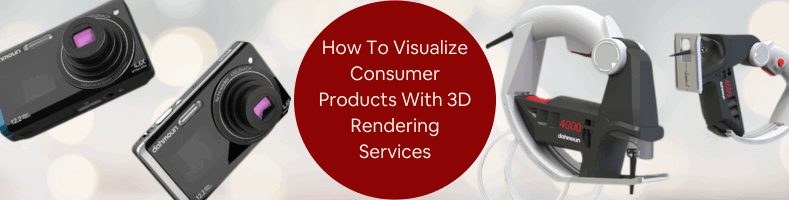
Picture yourself presenting a new product concept to a client, stakeholder, or prospective buyer. You pull out a PowerPoint, toss in some sketches, perhaps even a CAD screenshot, and try your best to get them fired up. But what if you could turn your laptop around and present the product, fully rendered, photo-realistic, with sharp textures and ideal lighting, as if it were already on the table?
Welcome to the world of Cad Crowd and its top 3D product rendering services, where your company’s ideas leap off the page and into visual reality. Whether you’re developing a new line of smartwatches, Bluetooth speakers, custom packaging, or even kitchen gadgets shaped like octopuses (hey, you never know!), 3D rendering transforms abstract concepts into tangible visual stories. This is about making smarter business decisions, marketing with purpose, and earning customer trust.
Let’s walk through how you can actually picture consumer products using 3D rendering for your business or firm. Buckle up, we’re going deep, but we assure you, it’s going to be fun.
RELATED: Speeding Up Product Development with New Product Design Services Companies
What is 3D product rendering?
3D product rendering is the computer-generated creation of realistic images of products with specialized software. You have a 3D model (which can be created from scratch or derived from a CAD file), add materials, set lighting, position it in a scene or on a white background as a result you now have a high-fidelity picture or animation that displays your product as if it was photographed in real life. No shipping of physical samples necessary. No white umbrella and avocado toast catering photo shoots necessary. Just clean, crisp images made up of pixels and polygons.
4 Reasons your company needs 3D rendering now
1. You get to market faster
Prototypes cost time. Production costs time. Shipping prototypes worldwide costs even more time (not to mention customs issues). But a 3D model? That can be done in days or hours with the help of a 3D modeling designer. This allows you to begin creating marketing collateral, gauging ads, or even pre-selling before the first unit ever leaves the factory floor.
2. Complete creative control
Want to change the color? Click. Need a sunset lighting atmosphere? Boom. Want to place the product in a snowy mountain landscape or a modern, marble kitchen? You got it. 3D rendering services allow your team endless creativity to play with looks, all without requiring a physical studio or prop budget.
RELATED: Top 50 Consumer Product Design Service Companies, Agencies & Design Firms in the US
3. More bang for your buck
Hiring a photographer, studio rental, scheduling coordination, and shipping prototypes can be really expensive, and it sometimes exceeds your budget, accidentally. However, with 3D rendering, you pay the service fee once, then reuse the assets everywhere, including product pages, ads, catalogs, investor presentations, etc.
4. Consumer trust through realism
Today’s consumers are finicky. They zoom in, they flip the product around (in their minds), and they demand precision. Top-notch 3D renders from 3D design professionals deliver that. With hyper-realistic lighting and textures, customers can get a good sense of what they’re purchasing, even if it doesn’t yet exist.
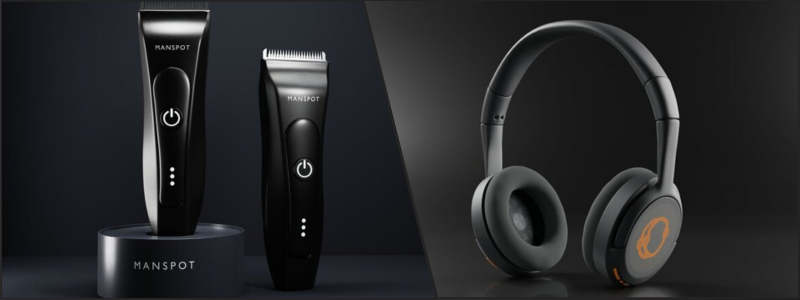
Types of 3D rendering services you can use
Not all renders are equal. Based on your product, business, and marketing requirements, your firm or company may pursue various forms of 3D product rendering services:
1. Photorealistic still images
The tried-and-true original. These photos created by photorealistic rendering professionals mimic the way the product will appear in the flesh, which is perfect for product descriptions, eCommerce websites, and print catalogs.
RELATED: How to Design a Product People Want: Designing for the Consumer
2. 360-Degree rotations
Let customers spin the product around like it’s on a digital Lazy Susan. Perfect for showing off shape, texture, and detail. If you’re selling tech, furniture, footwear, or anything tactile, this is gold.
3. Exploded views
A favorite in tech and design engineering services. These renders pull apart the product (virtually, of course) to show how it’s assembled. Great for demonstrating quality and innovation.
4. AR and VR Integration
Have a mobile shopping app or interactive buying experience? AR-ready renders enable customers to place your item in their environment—be it a couch on the living room floor or a toaster on their kitchen counter.
5. Animation and motion graphics
Set a story. Demonstrate how your item opens, recharges, clicks, changes, or even simply resides there in splendor with atmospheric lighting. Animated 3D renderings are essential for product launch films and commercials.
RELATED: Consumer Electronics Show (CES) Recap 2024: Las Vegas Inventors and Design Firms Recap
The 3D rendering process (it’s easier than you think)
Suppose your business is interested in making a 3D product rendering of a new slim electric toothbrush. Here’s what generally goes down:
Step 1: concept & references
You send over sketches, CAD documents, specs, mood boards—anything to provide context for the 3D artist so they know what they’re making.
Step 2: modeling
A 3D model is constructed from the ground up or from supplied files. This is where shape and structure are determined.
Step 3: texturing
Artists add materials and textures such as metallics, plastics, rubber, and glass, which adds visual identity to the product using professional software.
Step 4: lighting & environment
Virtual light sources illuminate the scene with virtual staging for architecture services. Whether studio lights, natural lighting, or an atmospheric noir environment, this drastically influences the end feel.
RELATED: 3D Product Visualization: Elevating Your Online Shopping Experience and Service for Modern Consumers
Step 5: rendering
The program processes all the information and creates a high-resolution image or animation. Depending on complexity, this may take minutes or hours.
Step 6: revisions & final touches
3D rendering can also help you visualize your project by adjusting angles, colors, and textures, with no expense required. Once complete, the image is yours to use on all platforms.
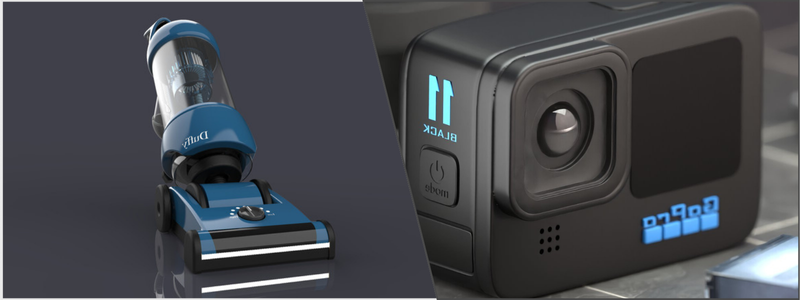
How to choose the right 3D rendering services for your business
Not all 3D rendering companies are alike. Some specialize in consumer electronics, while others do furniture or cosmetics. When selecting a partner, keep the following in mind:
1. Portfolio & specialization
Do they have experience in your product type? A crew that excels at rendering clothes is not likely to be perfect for electronics or packaging.
2. Turnaround Time
How quickly can they get it done? You don’t want to be left waiting while your marketing campaign is already running.
RELATED: How AI Innovations Transform Modern Consumer Product Design at Agencies & Companies
3. Communication
Do they make good team players? 3D rendering is a give-and-take process, that’s why it’s important to look for 3D visualization teams that quickly respond, listen, and provide intelligent suggestions.
4. Pricing Structure
Some charge by image, others by hour or project. Ask about their inclusions, or additional fees for multiple angles or revisions?
Tips to maximize the impact of your 3D renders
After obtaining your 3D render, far too many companies use renders as a one-off asset, throwing them up on a product page and leaving them there. Don’t be that company. These images are liquid gold, and with some clever thinking, you can wring every ounce of value from them.
Use them across your entire funnel
Your render isn’t just in a corner of your marketing universe. Look beyond the product page. Share it within email campaigns, spread it onto Instagram reels, amp it on Facebook ads, and embed it on your YouTube explainers. Heck, your investor pitch deck even needs it. The intent? Consistency and exposure. Have that render light up anywhere your audience arrives.
RELATED: Wearable Product Development: 6 Key Challenges for Product Development Companies
A/B test like a pro
3D renders are computerized, so you can experiment, test, and do it all over again without spending a fortune. Experiment by changing backgrounds, lighting, or providing color alternatives. Then check which one inspires more clicks, saves, or conversions. Once you have the data, you’ll know what images your people actually react to.
Get festive without manufacturing
Another oft-overlooked hack? Seasonal twists. Need a festive Christmas-vibes version of your product? Or perhaps a summer-y tropical twist? No need to print a physical inventory. With the help of a 3D product design expert, you can doll up your product for any season or occasion and have a refreshed content calendar all year round.
Plan for speed and scale
Lastly, create a digital asset library. Organize renders by angle, color, and format so your team isn’t forced to dig through folders. When you have a sudden need for a quick asset on a last-minute campaign, it’s there, ready to fly. With a little strategy, your 3D renders can be your most flexible marketing tool. Are you taking full advantage of them?
RELATED: Choosing the Right Manufacturing Materials
Real-world example: from sketch to shelf
Suppose your business creates ergonomic office accessories. You have an awesome idea for a modular desk organizer. With the help of a 3D product rendering designer, you are able to:
- Preview the organizer in several colors and finishes before settling on final materials.
- Make lifestyle renders depicting it in home offices, coworking environments, and even coffee shops.
- Make a 360-degree interactive render for your Shopify store.
- Make an animation depicting how it expands and clicks into position.
All of this occurs before manufacturing even starts, when the final product reaches the shelves? Your customers are already familiar with it as they’ve seen it, explored it, and visually fallen for it.
Don’t wait for reality to sell your product—render it first
3D product rendering has revolutionized how companies visualize and market consumer products, offering unprecedented speed, flexibility, and cost-effectiveness. By transforming concepts into photorealistic visuals before physical production begins, businesses can accelerate time-to-market, reduce prototyping costs, and build consumer trust through compelling imagery.
From static renders to interactive 360-degree rendering and AR integration, these services provide the creative control needed to showcase products across multiple marketing channels. Smart companies leverage 3D rendering not just as a one-time asset, but as a strategic tool that drives engagement, enables A/B testing, and creates seasonal variations without additional manufacturing costs.
RELATED: How Brand Consistency Enhances Product Design and Insights from CAD Services Firms
Ready to transform your product vision? Cad Crowd can help
Don’t let your brilliant ideas remain trapped in sketches and CAD files. Transform your concepts into stunning, photorealistic visuals that captivate customers and accelerate sales. Experience the power of professional 3D product rendering services today. Contact Cad Crowd for your free quote and bring your products to life before they hit the shelf!



Have client that would like a 3D rendering of a custom house i did. Please give me an idea of cost and what you may need from me in cad or PDF format.