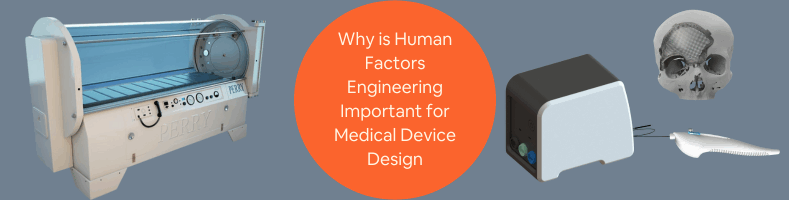
Imagine you are holding a new, shiny medical device or a high-tech gadget that is supposed to make life easier. It looks great, the interface is friendly, and all the functions seem to promise trouble-free use. But once you start using it, you realize that it is not as easy to use as it seemed at first. Buttons are placed in awkward spots, directions are unclear, or worse, it feels cumbersome, and you’re actually making your task harder than you need to. If this sounds familiar, you’ve just stumbled on the very reason human factors engineering (HFE) is absolutely essential in product and medical device design.
Human factors engineering isn’t some trendy buzzphrase bandied about by designers and engineers on the top platform, Cad Crowd. It’s a serious field that gets at the very heart of how people interact with products and systems to make those interactions safe, effective, and sure, pleasant. In the case of medical devices, where the user screw-up can be life and death, HFE is flat-out game-changing.
So why does human factors engineering matter so much in medical device and product design? Let’s dissect the idea, talk about its broad influence, and have a bit of fun discovering why companies that neglect it do so at their own peril.
🚀 Table of contents
- Beyond aesthetic appeal
- Medical devices: Where human factors save lives
- Closing the gap between user and technology
- It’s more than avoiding mistakes — It’s about an improved experience
- Regulatory and market pressures: The business case for human factors
- Human factors engineering requires team collaboration
- Real-world success stories to inspire
- The future: Human factors in a changing world
- Wrapping it up: Why human factors engineering is a non-negotiable
- How Cad Crowd can help?
Beyond aesthetic appeal
Product design services can at first blush appear to be a purely cosmetic issue: make it shiny, sleek, and marketable. But real design is more than superficial pretty. Human factors engineering lifts the hood and examines how the product fits into a person’s life. How easy is it to hold? Does it require awkward hand motions? Can individuals read the display or operate the controls without a PhD? This is where HFE really shines.
Take a simple example like a smartphone touchscreen. Early smartphones possessed notoriously infuriating interfaces such as tiny buttons, confusing gestures, and infuriatingly frequent accidental taps. Human factors engineers studied user behavior and cognition extensively to create more responsive touchscreen feedback, button location, and menu navigation. Today, kids can operate smartphones with ease. Such intuitive functionality is the aim that HFE strives for, making technology accessible, manageable, and convenient.
RELATED: A guide to electronic product design for manufacturing with PCB design firms & engineers
Medical devices: Where human factors save lives
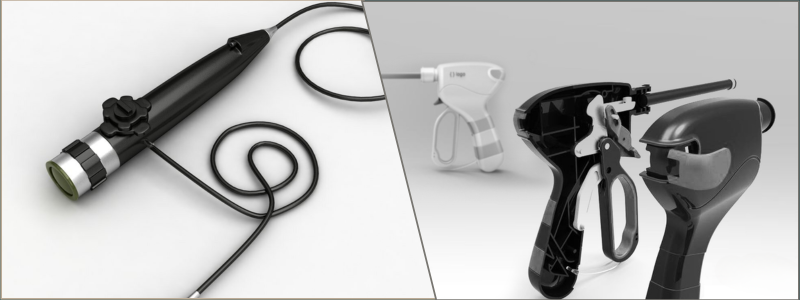
Medical devices are in a unique category. The consequences are extremely high, and the price of design failure is death. Imagine a drug administration device that’s tricky to operate or has cryptic warnings. The risk of improper dosing or delayed treatment can lead to severe injury or death.
Human factors engineering in device design is all about learning about users, such as doctors, nurses, patients, and their environments. Hospitals are typically disorganized, noisy, and high-stress environments. Equipment must be designed by product design experts so that it is idiotproof, even under high-stress conditions. This varies from ergonomic design (how comfortable the device is to hold in the user’s hand) to cognitive load (the amount of mental effort it takes to use it).
Take insulin pumps, for instance. These devices require precise dosing and constant user interaction. Early models had complicated controls and readouts, resulting in errors and patient frustration. HFE helped redesign these pumps to include clearer feedback, more intuitive user interfaces, and built-in safety features that avoid mistakes, substantially improving patient safety and quality of life.
Closing the gap between user and technology
When it comes to designing products, specifically medical devices, one of the biggest hurdles is closing the distance between advanced technology and the typical individual who will be required to use it. Technology can be amazingly efficient, but if it’s too complicated or opaque, people just plain won’t use it. That’s where human factors engineering (HFE) comes in. Think of it as the translator that allows technology to speak in a way that users can understand.
People come in all shapes, sizes, and abilities. There are users who are accomplished professionals who have used complex interfaces. There are others who are elderly patients with limited mobility or are visually impaired. Designing an electronic device services product for one size fits all without these differences in mind is a road to failure. Think of a medical device that functions perfectly on paper but is hard or even dangerous to operate because it does not cater to the user’s needs.
Human factors engineers resolve this by going extremely deep into how real human beings actually act around a product. They do not assume or speculate; they see how people use mockups, watching particularly for frustration, confusion, or error points. This is not testing but more like being in direct conversation with the users at the very tail end, asking for their response in real time.
This feedback process is critical. Every single user insight cycles back into informing the design, making it more intuitive, accessible, and safe. The result? A product that becomes a part of the user’s world, not the product attempting to fit into the user’s world. So, human factors engineering bridges the gap by ensuring technology is not merely smart, but user-centered and positioned to improve lives.
It’s more than avoiding mistakes — It’s about an improved experience
Yes, safety and functionality are the heavy artillery for HFE, but let’s not forget psychosocial. Customers don’t simply desire to feel competent and in control of a product they actually stress over and neglect, which is of paramount importance when using products for health care treatments and patient medication regimens.
Human factors engineers are also concerned with emotional design: what a product feels like to its user. Does it reassure? Empower? Comfort? In healthcare, that emotional resonance can be the difference between a patient using a device consistently or dropping it because of frustration or fear.
That’s why some medical equipment today looks less intimidating and more accessible. Smooth lines, calm colors, and readable screens tend to create a sense of comfort and trustworthiness because design influences emotion as much as it influences performance.
Regulatory and market pressures: The business case for human factors
Giving human factors engineering the cold shoulder is not only unsafe and unsatisfying to users, but it’s also bad business. Overseers worldwide increasingly expect human factors validation in medical device approval procedures. This necessitates companies providing evidence that devices are safe and can be utilized under real-world conditions.
However, companies that incorporate human factors engineering into the early stages of the design process enjoy smoother regulatory approvals, better market acceptance, and competitive advantages. They have fewer mistakes in their products, reduced training needs, and enhanced user satisfaction. It’s a win-win situation for manufacturers and users.
RELATED: How 3D CAD modeling is transforming design and manufacturing industries at design companies
Human factors engineering requires team collaboration
One of the fascinating aspects of HFE is that it’s so multidisciplinary. It borrows from psychology, engineering, design, biomechanics, and even sociology. It’s seeing people as whole human beings, not just as users who click buttons or turn levers.
Such an interdisciplinary effort improves product design. Cognitive load and decision-making patterns could be researched by psychologists, while ergonomics and aesthetics are addressed by industrial designers. Engineers bring in the technical feasibility. The result is a product that smoothly integrates form, function, and user experience.
Real-world success stories to inspire
Considering any very successful medical device that revolutionized patient care, the chance is that human factors engineering was integral. Consider, for example, handheld defibrillators that guide users with clear voice instructions and simple graphics so even non-medical bystanders can resuscitate cardiac patients.
Similarly, wearable health trackers like fitness bands combine subtle design, simple data, and high-wearability, spurring long-term use and healthier habits.
Outside of medicine, look at the evolution of cars with human factors in mind. Dashboard layouts, pedal position, and even voice commands all testify to decades of HFE research aimed at mitigating driver distraction and fatigue.
The future: Human factors in a changing world
As technology races forward with AI, IoT, and smart devices, human factors engineering will become ever more important. Human-machine interfaces get more complicated, yet the user continues to require unencumbered experiences.
Virtual reality, augmented reality, and voice interfaces introduce added levels of sophistication to design challenges. How do we ensure these are intuitive and safe? How do we ensure they’re usable by everyone, no matter the age or ability?
Human factors engineering will be the guiding principle, keeping innovation from running ahead of usability. When it comes to medical devices, this means safer robotics-assisted procedures, smarter diagnostics, and better patient monitoring—all designed with the human as the focus.
RELATED: Master product design costing: Top strategies for CAD services companies & freelance designers
Wrapping it up: Why human factors engineering is a non-negotiable
Human factors engineering is not just a nice-to-have product and medical device design aspect. It is critical. It bridges the chasm between complex technology and disparate humans, reduces error, enhances safety, and induces satisfaction overall. It’s all about designing with empathy, empathy, and reality-based usability.
Ignoring human factors is like building a spaceship without considering the astronaut’s needs—it might look impressive, but it won’t fly safely. Conversely, embracing HFE transforms products from mere tools into trusted companions, empowering users and sometimes even saving lives.
How Cad Crowd can help?
So the next time you’re curious to know how effortlessly you are interacting with a device, there is an entire universe of human factors engineering operating its magic behind your back. And for companies at Cad Crowd designing the products of tomorrow, it’s the best, most humane investment they can make. Get your free quote today.