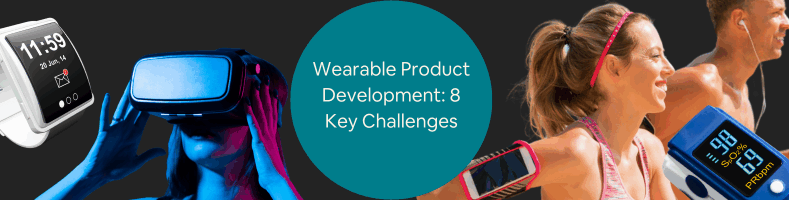
The wearables products market has been growing fast with technology becoming increasingly intrusive in our lives. From fitness trackers to smart watches, wearables now perform numerous functions such as tracking health, communication, and entertainment. But creating wearables comes with a special set of challenges, which product development firms from Cad Crowd need to address. These are intertwined, such as technological innovation, design ability, and market consciousness. Following are six of the most important issues product development firms encounter in designing wearable devices.
1. Designing for Comfort and Usability
Comfort and usability are probably the largest challenges in wearables product development. Wearables are worn on the body itself, and hence they must be designed so that they can accommodate a range of users without providing any discomfort or hindering normal activity. When developing wearables, product design companies must consider the product’s weight, how it rests against the body, and how it feels to wear it for extended periods of hours. For example, a smartwatch must be light enough that it is not intrusive but heavy enough to have space for various sensors and a battery.
RELATED: The Future of Wearable Technology: Trends Impacting Business & Product Development
This balancing process is even harder for wearables such as health monitoring wearables or fitness trackers, where they have to be able to accommodate different body types, wrist types, or even movement patterns. In addition, the design must not only be functional but also visually appealing. Wearables must be fashionable and appeal to one’s own sense of style, which puts pressure on the product designers to add innovative design factors without compromising the fact that the technology within must function.
Usability is the other vital consideration when it comes to wearable technology. The wearable technology can have the latest features, but if the user interface is not intuitive or is not easy to use, the product will be discarded. Designers of wearable products should take extreme caution in designing the user experience (UX) such that features are easy to discover, buttons are placed appropriately, and displays are legible in different conditions.
2. Power Management and Battery Life
Wearable devices generally have limited battery capacity, pushing manufacturers to come up with solutions for utilizing battery power without compromising performance. For example, app-running smartwatches, fitness trackers, and notification devices must reconcile power-wasting features and power-saving. Dismal battery life has been a frequent gripe for customers who want their devices to survive at least a day, if not more, on a single charge.
RELATED: How to Design Medical Products that People Actually Want
To tackle this, not only must companies be developing better batteries, but they must also be embedding power-saving technologies into the devices themselves. That could mean optimizing the operating system of the device for efficiency, using energy-efficient sensors, and reducing the frequency of background activity. In addition, developers must become innovative with charging alternatives—whether that involves advancing wireless charging technology or seeking battery-life enhancement through new materials or more powerful, smaller batteries.
Another added complexity is deciding how to power the device. Wearables are usually smaller than conventional electronics, and the question of how to efficiently and conveniently power them is critical. Proprietary charging docks or wireless charging technology are most often used in wearables, and these solutions might not be most convenient or universally accepted all the time. A balance of power requirements of a wearable and convenience requirements of customers and battery life is one of the biggest product development issues.
3. Merging Advanced Technology and Sensors
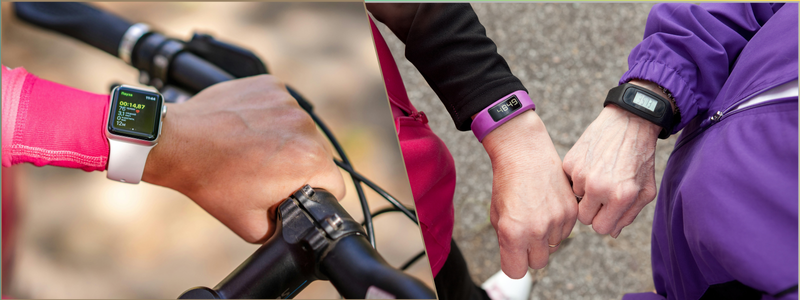
The underlying technology of most wearables is derived from the advanced technology and sensors built into them. Whether heart rate monitoring, GPS, or biofeedback, wearables depend on a broad range of sensors to deliver value to consumers. However, packaging these technologies into a small form factor is a major challenge. Medical wearable devices, for instance, including smartwatches or fitness watches, typically draw on a multiplicity of sensors like accelerometers, gyroscopes, and light sensors to measure a user’s biometrics as well as physical movements.
RELATED: Wearable Device Design – 6 Tips For Better Products and Prototypes
To achieve this takes a great understanding of hardware design, signal processing, and analysis of data. Each sensor also needs to be calibrated in the right manner in order to output accurate results uninfluenced by other sensors, as well as atmospheric conditions like light or electromagnetic signals. In addition, sensors must be calibrated and tested rigorously to ensure they yield accurate information.
For example, a heart rate sensor must deliver accurate readings for rest and exercise. Likewise, GPS sensors developed by electronic product designers must deliver precise location information, even in signal-absorbed environments like cities with lots of tall buildings or dense forests. Besides, as wearables become more advanced, integrating technologies such as AI and ML into them to make them capable of doing more is becoming increasingly the norm than the exception.
In making wearables more intelligent and responsive, it creates additional layers of complexity in the product development process. Such technologies need advanced software and hardware that need to be perfectly integrated with each other, increasing the time and cost of development.
RELATED: 5 New CAD and 3D Modelling Designs You Can Wear
4. Data Security and Privacy
With more personal information being collected by wearables, data privacy and security are now a serious issue. Wearables monitor sensitive health information, such as heart rate, sleep, and activity levels, as well as personal data like location and daily routines. All this information needs to be secured from breaches of personal information and abuse. Product development businesses must implement strong encryption methods to protect information on devices and storage.
In addition, businesses must comply with national and global data protection legislation, such as the General Data Protection Regulation (GDPR) in Europe and, Health Insurance Portability and Accountability Act (HIPAA) in America. Failure to comply with these legislations may result in legal consequences and damage the company’s reputation. Companies should provide users with complete knowledge regarding the data gathered, data usage, and from whom it is made available.
They should also provide easy-to-operate privacy features through which the users can choose their data management options, e.g., they can turn off some data-harvesting features, or they can remove the personal data on the wearable device. Most wearables transmit information to other devices like smartphones, health apps, or home automation systems. Keeping such devices from securely communicating without sharing confidential details is a hard problem that calls for meticulous planning and testing during the product development process.
RELATED: The Future of Electronic Design Engineering: Innovations and Trends for CAD Services Companies
5. Manufacturing and Supply Chain Challenges
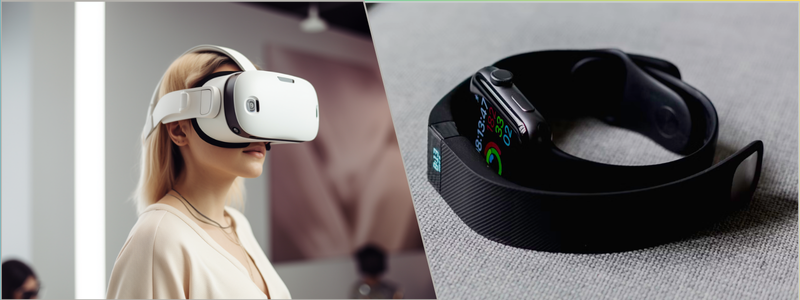
Precision is the key factor in producing and manufacturing wearables. Small mistakes during manufacturing can result in critical problems, ranging from poor performance to product recall. Having the right materials and components to meet a specific standard of durability, functionality, and affordability is one of the major challenges in this context. Most wearable devices designed by wearable product design experts, especially premium ones, are based on custom components, like unique sensors or novel display technology.
Finding good suppliers of these components can be time-consuming and difficult, especially if volume production is required for high-demand consumers. In addition, as wearables become more advanced, the supply chain just becomes more complicated. Manufacturing small, highly detailed components like microchips, sensors, and battery cells requires careful planning in order to build the devices properly and economically. Furthermore, interruptions in global supply chains like natural disasters, geopolitical conflict, or the COVID-19 pandemic can cause delays and higher costs.
The product designers should also consider the environmental impact of their production chain. The consumer is getting increasingly aware of the issue of sustainability, and consumers may avoid wearables that are not up to some sort of ethical and ecological standards. That is what motivates the producers to change the way they deal with the supply chain, exploring green materials, green manufacturing, and responsible dumping of used devices.
RELATED: 10 Key Costs for Electronic Product Design & Development Rates for Engineering Services Companies
6. Market Competition and Consumer Expectations
Lastly, businesses are under pressure in the competitive market due to rapid advancements in technology. Wearables with multifunctional features are most desirable to consumers as the devices integrate effortlessly with other technologies. Take voice assistants and health monitoring, for instance. They were just beginning to emerge as wearables features last year, but technology’s rapid pace means that consumers can soon begin asking for more advanced features such as an AI-integrated healthcare system.
Conclusion
Businesses, whether large or small, need to keep up with the rapid advancements in technology and remain competitive while also responding to evolving user needs. This involves extensive market research, including feedback from users to ensure wearables are up to date and desirable.
Wearable product development challenges involve a special combination of art, technology, user experience, and market relevance that must be addressed with delicate care. From designing comfortable, user-friendly products to navigating intricate supply chains and protecting data privacy, product development firms have to bridge several kinds of issues to introduce innovative wearables to the masses.
How Cad Crowd Can Help
As the market continues to expand, overcoming these challenges with the assistance of Cad Crowd experts will be essential for businesses that want to remain competitive and provide devices that truly meet the needs of contemporary consumers. Contact us for a free quote today!