
The right professional highly depends on what your product specifically needs next. You may start with an industrial designer when your design concept is undefined, or with a mechanical engineer when its manufacturability and functionality are the main challenge, and a CAD drafter when the ones needed are production drawings. Products that involve electronics may require a firmware developer and freelance electrical engineer in parallel. Having a product idea but still unsure who to specifically hire can really be a challenge. The terms industrial designer, product designer, and mechanical engineer are somehow used interchangeably, even though they all focus on different parts of the development process. And this can really be difficult to know, especially when you are just starting and you have difficulty deciding which one to account for first with regard to the right expertise your project needs.
In this article, we will highlight a significant breakdown of the differences between each role and further explain what it typically handles during product development. You’ll learn when the right time is to hire a product designer, mechanical engineer, or an industrial designer, and how their skills overlap. Platforms like Cad Crowd help you find the right expertise for your project’s next stage of the process.
RELATED: How to Find the Right Industrial Design Company for Successful Product Development
🚀 Table of contents
What is the difference between: industrial designer, product designer, and engineer?
Job titles may vary over industries and companies. So, the specific responsibilities of an industrial designer, product designer, or engineer can really overlap. Instead of merely focusing on the titles, why not focus more on what they are expected to deliver?
Industrial engineers
They are known as professionals whose work focuses on how a certain product looks, feels, and interacts with the actual user.
| Typical Deliverable | Purpose |
| Concept sketches | Explore product directions |
| 3D renders | Visualize appearance |
| CMF boards | Define materials and finishes |
| Ergonomic studies | Evaluate user interaction |
| Styled CAD | Establish product form |
| A-surface models | Define high-quality visible surfaces |
Product designer
They work across product development and industrial design services, connecting user needs, product requirements, functionality, and appearance. It highly depends on the company what they contribute to, such as product concepts and user experience, prototyping and design refinement, and product decisions.
Top 50 Industrial Design Services Firms for New Product Design & Development in the US
| Typical Deliverable | Purpose |
| Product concepts | Define and explore product ideas |
| Prototypes | Test and refine design ideas |
| CAD models | Develop the product digitally |
| Design specifications | Document design intent and requirements |
| Product development documentation | Support the product development process |
Mechanical engineer
Freelance mechanical engineers are the ones who ensure how a certain product performs and functions. They may work closely on several factors like mechanical systems, internal architecture, tolerances, materials, and structural requirements, while still considering both design for manufacturing (DFM) and design for assembly (DFA).
| Typical Deliverable | Purpose |
| Engineering CAD | Develop functional mechanical components |
| Mechanical layouts | Define how internal components fit together |
| Tolerance schemes | Control variation between parts |
| Engineering drawings | Communicate manufacturing requirements |
| Bills of materials (BOMs) | Define required components and materials |
| DFM reviews | Evaluate manufacturability |
| Prototype specifications | Define requirements for physical testing |
CAD drafter/modeller
CAD drafters and modelers specifically focus on executing CAD models and converting design direction into more detailed technical documentation.
| Typical Deliverable | Purpose |
| 3D CAD models | Create accurate digital product geometry |
| 2D drawings | Communicate dimensions and specifications |
| Manufacturing documentation | Support manufacturing with technical information |
| Assembly drawings | Show how components fit together |
| GD&T documentation | Define acceptable dimensional variation when qualified |
Expert drafters may have GD&T expertise, but CAD modeling and drafting alone do not always replace engineering judgment. For powered or connected products, electrical engineers are significantly needed for power systems, PCBs, circuits, and electrical architecture. On the other hand, typically handle software embedded in the hardware, like controls, device behavior, and sensors.
RELATED: How to Quickly Cut Prototype Design Costs in 2026 for Product Design & Engineering Firms
When do you need an electrical engineer or firmware developer?
Some products mostly need expertise that is beyond mechanical engineering services and industrial design. If a certain product uses sensors, batteries, electronics, wireless connectivity, a firmware developer or an electrical engineer may actually need to be involved throughout the process of development.
| Professional | Typical Responsibilities |
| Electrical engineer | Schematics, PCB requirements, power systems, wiring, sensors, electrical safety, and hardware integration |
| Firmware developer | Embedded software, microcontroller programming, device logic, sensor behavior, and communication protocols |
These professionals typically work in parallel with mechanical engineers and industrial designers in making sure that the physical products, software, and electronics work perfectly together. For example, a wearable device may need an industrial designer, specifically for its ergonomics and form; a mechanical engineer, who specializes in its enclosure and internal structure; an electrical engineer, who handles its power system and sensors; and a firmware developer to appropriately control how the device operates. This collaborative approach is mostly common for products like wearables, IoT devices, robotics, smart appliances, and connected consumer electronics, where there is a need for multiple disciplines to successfully produce. The distinction between all these professionals is not simply based on job titles.
According to the U.S. Bureau of Labor Statistics (BLS), mechanical engineers and freelance industrial designers are known as distinct occupations with different areas of expertise. In May 2024, the median annual wage for industrial engineers was $79,450, and for mechanical engineers was $102,320. It mainly highlights the different professional paths and responsibilities that have been associated with each of the disciplines. This also reinforces why it’s best to select the right specialist according to the specific work that your product needs, and not merely on the job title alone.
RELATED: 8 Impressive Industrial Design Portfolios on Cad Crowd
Are you confused about which professional your product specifically needs next? Whether you’re refining the ideas and concept, preparing designs for manufacturing, or solving a mechanical challenge, platforms like Cad Crowd can help you connect with the right and experienced engineering and design expertise that can attend to your project’s current stage.
Who should you hire?
| Discipline | Primary Focus | Typical Deliverables | Common Tools | Typical Hourly Range* |
| Industrial designer | Form, ergonomics, CMF, A-surfaces | Sketches, renders, CMF studies, styled CAD | KeyShot, Rhino, Alias, SolidWorks | $50–$150/hr |
| Product designer | User needs, product concept, form + function | Concepts, prototypes, product specifications, CAD | Figma, SolidWorks, Fusion, Rhino | $50–$150/hr |
| Mechanical engineer | Function, architecture, DFM/DFA, tolerances | Engineering CAD, drawings, BOMs, DFM reviews | SolidWorks, Creo, Fusion, Inventor | $60–$180/hr |
| CAD drafter/modeler | CAD execution and documentation | 2D drawings, 3D models, assemblies | AutoCAD, SolidWorks, Inventor, Fusion | $25–$100/hr |
| Electrical engineer | Electrical hardware and systems | Schematics, PCB layouts, wiring diagrams | Altium, KiCad, Eagle | $60–$180/hr |
| Firmware developer | Embedded software | Firmware, device logic, communication code | C/C++, Python, embedded IDEs | $50–$150/hr |
Finding the right professional highly depends less on their job title and more on the deliverable that your specific project needs next. The table below shows the general comparison of the different roles that are commonly involved in the process of product development. Hourly rates are generally illustrative freelance market ranges and not fixed Cad Crowd pricing. It can surely vary significantly by experience, location, specialization, and project complexity.

One of the major practical rules is to hire according to what the next milestone of your product mainly needs. If you are still in the exploration stage, especially when it comes to your product’s appearance and user experience, it is safe to hire an industrial or product designer. But if you need tolerances, DFM design services, functional development, or engineering drawings, one that’s more appropriate is to opt for a mechanical engineer. And for any technical CAD documentation, a CAD drafter or modeler is what’s best for it. Powered and connected products may need additional care for electrical engineering and firmware expertise. In most projects, the best approach is usually bringing in different specialists at different stages, where specific expertise is most needed.
RELATED: Best 50 Platforms to Hire Freelance Mechanical Designers, Engineers & 3D CAD Modeling Experts
What does the typical product design sequence look like?
This is a typical product development process, general sequence.
Idea
↓
Industrial design/concept development
↓
Concept selection
↓
Mechanical engineering
↓
Prototype
↓
Testing
↓
DFM/DFA review
↓
Detailed CAD + drawings
↓
Manufacturing
The process of product design services usually begins with an idea and is followed by industrial design and concept development, exploring the product’s form, user experience, and appearance. After choosing the best concept, mechanical engineering significantly focuses on the design’s internal structure, functionality, and manufacturability. They will then create a prototype for testing, which allows the team to identify any design issues to address them early. Next is a DFM or DFA review to optimize the product for efficient manufacturing and assembly. The design will then go through detailed CAD and technical drawings before it moves into manufacturing. This practice is generally iterative, with teams moving back and forth between stages as feedback and testing lead to improvement of the design during the process.
How do industrial designers and mechanical engineers work together?

Industrial designers and mechanical engineers are known to typically work in a relay instead of just working on separate or one-time hires. The industrial designer usually leads the product form, CMF, user experience, and ergonomics, while the mechanical engineer, on the other hand, specifically focuses on the internal architecture, function, tolerances, and manufacturability. Their work can usually overlap throughout the development. A mechanical engineer can determine a manufacturing or internal constraint that needs the Industrial designer to adjust with the exterior, while design changes may need an engineering revision. This back-and-forth collaboration helps greatly in ensuring that the final product is not just functional and manufacturable, but also comfortable and appealing.
RELATED: Why Hardware Startups Fail: 11 Reasons and Actionable Fixes for Hardware Founders
Who should you hire first if you only have an idea?
When the thing is you only have a rough idea, product vision, or sketch alone, it’s safer to start with an industrial designer or freelance concept designer. Their main role is to turn those abstract ideas into a visual concept, help you explore different form directions, consider ergonomics, and define what your product could become. At this stage, the primary goal is not for production-ready CAD, but to answer the most relevant question: what should this product be? And once everything is clear- the concept and the overall direction- that is the time when you could bring several specialists for further development.
What if the product looks defined but doesn’t work?
If your product already has a clear visual direction, defined exterior, or a basic CAD model, but has problems with assembly, strength, mechanisms, manufacturability, or internal packaging, a mechanical engineer is what’s best for you. Their major role is to evaluate the design from both functional and engineering perspectives. At this very stage, the most relevant question is: how do we make this product work reliably? And a mechanical engineer helps in developing the internal architecture, addressing any structural concerns, refining mechanisms, and preparing the design for manufacturing.
What if the product works but looks ugly or feels unusable?
If the product already works but has poor ergonomics, an appealing appearance, weak visual identity, awkward proportions, or poor material and finish choices, this is where you should hire an industrial designer. They are the ones who refine your product’s form and user experience without the need to compromise its intended function. Mechanical engineers may remain involved throughout the process in order to protect the product’s critical interfaces, internal architecture, functional performance, and structural requirements. This healthy collaboration helps ensure that improvements to the product’s usability and appearance do not meet with any other engineering problems later.
RELATED: Rugged Product Design Strategy: How Product Development Firms Can Deliver for Startups
Who should you hire when you need factory-ready drawings?
If your product design has already been completed and what you need are detailed drawings, assembly drawings, GD&T dimensioning, or manufacturing documentation, you most likely need to have a CAD drafter or modeler who has GD&T competence. However, if tolerances, structural requirements, materials, or manufacturing specifications are still not clear, you most probably need to have the help of a mechanical engineer. Drafting can document an engineering decision, but it must not replace the engineering judgment that is required in determining whether the design will reliably perform and can be manufactured as intended.
What if your product includes electronics?
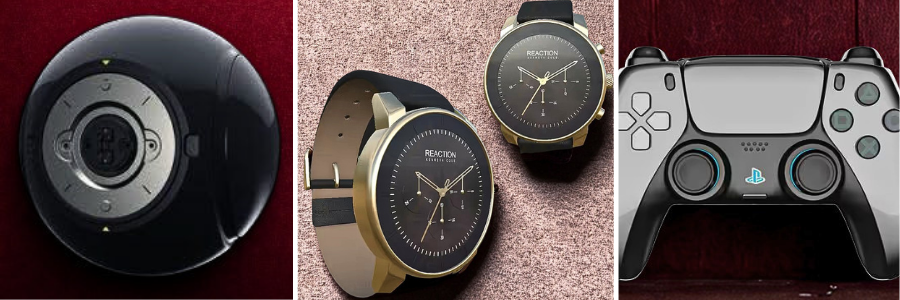
For products with sensors, PCBs, motors, batteries, or wireless communication, you must bring in electrical engineers, and in parallel with mechanical design. PCB dimensions may significantly affect enclosure size, battery placement may affect its internal packaging, connectors can heavily influence housing geometry, and heat generation may affect mechanical design. And for any connected products, a firmware developer can begin working alongside the electrical engineer in developing embedded software, communication functions, and device logic as the hardware is being developed.
What happens when you hire the wrong specialist?
Hiring the wrong specialist may lead to greater problems that go far beyond the cost of an hourly rate. For example, if you hire a CAD drafter when your project needs engineering expertise, you can produce an accurate CAD model services that looks accurate, but fails to meet structural, functional, or manufacturing requirements. On the other hand, if you hire an engineer without any industrial design support, it may lead to a product that works well but doesn’t look attractive or feels uncomfortable to use. It is important to choose the right specialist based on what your project specifically needs next, so you can avoid any potential problems.
RELATED: 10 Costly Errors that Engineers Make for New Product Design at Development Firms
Stuck and unsure about who to hire first? You don’t have to guess. You can just easily post your project on CadCrowd’s website and explain what you already developed and what you currently need next. And we can connect you with different design or engineering professionals whose expertise best matches your project’s current stage.
Frequently asked questions:
- Does a mechanical engineer need an industrial engineer?
Depending on the product to be designed. Highly technical products may need an engineer. Consumer products usually benefit from both industrial and technical design expertise.
- Can an industrial designer also create engineering CAD?
Sometimes, but surface-focused or styled CAD is unlike any engineering-ready CAD. You can start by checking the designer’s portfolio and deliverables before expecting that they could cover both disciplines.
- When should GD&T be added to a product design?
GD&T should be added when the functional relationships and standard manufacturing requirements are clearly understood, usually as part of engineering documentation before proceeding to production.
- Do electronics need to be designed before the enclosure?
Not necessarily. Electrical and mechanical teams mostly develop the architecture together. So, both electronics and physical enclosure design may accommodate each other.
Conclusion
Choosing the best professional begins with identifying what your product specifically needs next. It depends on its specific needs who you hire as the right professional that could help in developing its process. It’s either a mechanical engineer, industrial designer, or a product designer. What matters most is that you are aware of your next goal to know who to go to for a successful production. But if you are still unsure and unaware of where your project certainly fits, Cad Crowd can help you. So, there’s no need to worry. You can just provide your project, explain its current stage and goals, and Cad Crowd will automatically connect you with the right professionals who best suit the work ahead.
RELATED: Top 5 Prototyping Mistakes to Avoid in Product Development (And How to Fix Them)
How Cad Crowd can help
Choosing the right professional for your product development project can make a significant difference in how smoothly the design moves forward. Cad Crowd connects businesses with vetted industrial designers, product designers, mechanical engineers, CAD professionals, electrical engineers, and firmware developers who can support different stages of development. Whether you need help refining an early concept, improving functionality and manufacturability, creating detailed CAD models and drawings, or integrating electronics and embedded systems, Cad Crowd can help you find the expertise that matches your project’s current needs. Contact Cad Crowd today for a free quote and connect with the right professional to move your product from concept to production with confidence.