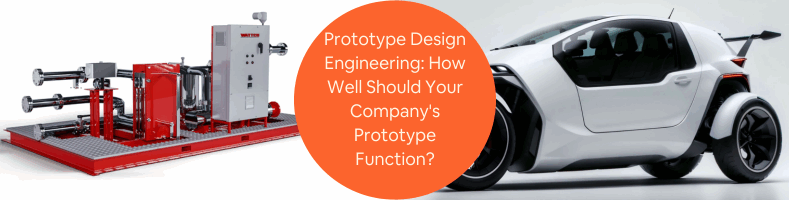
Due to the fast-paced progress in the world of product development, creating a prototype is one of the most crucial steps in turning an idea into a product. Understanding the purpose and function of your prototype is vital, as it not only impacts the development process but also determines the success of the final product. For today’s blog post, you will learn about prototype design engineering and how well your company’s prototype should function.
Cad Crowd is a leading agency that can help you connect with experts in prototype design engineering with a reputation for delivering exceptional results. Consisting of over 94,000 experts, we pride ourselves on our ability to meet and exceed your highest standards. Whether you’re looking for innovative solutions, strategic insights, or top-tier execution, Cad Crowd has the expertise and the talent to bring your vision to life. Together with our unmatched experience and commitment to excellence, we are the trusted partner you can rely on for success.
🚀 Table of contents
Why prototyping matters?
Prototyping allows you to visualize your concept, test its capabilities, and identify potential issues before full-scale production. The level of functionality required from a prototype depends on its purpose. Understanding the purpose of your prototype will guide you in determining how well it should function at each stage of development.
Conceptualizing the prototype or the early-stage prototypes helps you visualize the design as it provides a clear representation of the product’s basic features and form. As the project progresses, the design also progresses as it is functional enough to test core functions of the design in terms of mechanical and electrical systems. It can also be used to validate specific features or components.
For prototypes that are intended for user testing, the test product should accurately resemble the final product in any form, as these models are used to gather feedback from customers, allowing designers to make iterations in the design. Lastly, before mass production, prototypes are tested to function as close to the final product as possible. They are used to test manufacturing processes, quality control, and regulatory compliance.
RELATED: Master product design costing: Top strategies for CAD services companies & freelance designers
Balancing cost and functionality
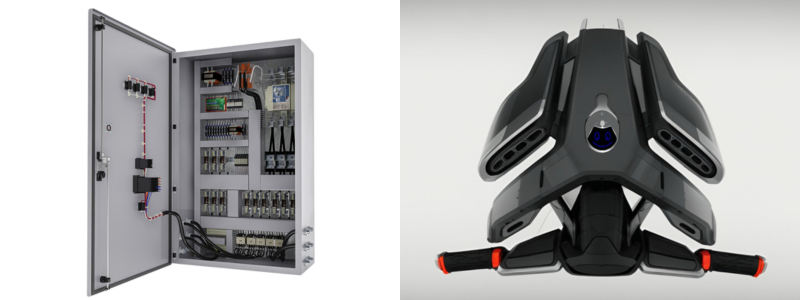
One of the biggest challenges in prototype design services is balancing cost with functionality. Prototypes can be expensive, especially when advanced features or materials are required. Companies must decide how much they are willing to invest in a prototype based on its intended purpose.
Low-fidelity prototypes – For early-stage conceptualization, low-fidelity prototypes can be cost-effective. These may include simple 3D prints, cardboard models, or digital renderings. While they may not be functional, they provide a visual representation of the product at a lower cost.
High-fidelity prototypes – When testing functionality or preparing for user testing, high-fidelity prototypes are necessary. These prototypes are often more expensive, as they require more advanced materials and manufacturing techniques. However, the investment can be justified by the valuable insights gained during testing.
Iterative prototyping – An iterative approach, where prototypes are developed in stages, can help manage costs. Start with a low-fidelity prototype to test the concept, and gradually increase functionality in subsequent iterations. This allows for early detection of issues and reduces the need for costly redesigns later in the process.
You may also consider using rapid prototyping services to ensure speed in iterations while retaining quality.
Key considerations for prototype functionality
When determining how well your prototype should function, consider the following key factors:
End-user experience – The prototype should mimic the final product’s user experience as closely as possible, especially during user testing. This includes the look, feel, and usability of the product. A well-functioning prototype can provide valuable feedback on how users interact with the product, leading to improvements in the final design.
Material selection – The materials used in your prototype should reflect those intended for the final product, especially if the prototype is being used for testing durability or performance. However, in early stages, it may be more cost-effective to use alternative materials that still provide an accurate representation.
Manufacturing feasibility – A prototype should demonstrate the feasibility of manufacturing the final product. This includes testing assembly processes, tolerances, and production techniques. A prototype that closely matches the final product can help identify potential manufacturing issues early on, saving time and money in the long run for manufacturing design firms.
Regulatory compliance – Depending on the industry, your prototype may need to meet specific regulatory standards. Ensure that your prototype is functional enough to undergo necessary testing for safety, performance, and compliance with industry regulations.
Scalability – Consider how easily the prototype can be scaled up to full production. A prototype that functions well on a small scale may reveal challenges when mass-produced. Testing scalability during the prototyping phase can prevent costly delays during production.
Real-world examples of prototyping success
To illustrate the importance of prototype functionality, let’s examine a few real-world examples where prototyping played a critical role in the success of a product.
Dyson Vacuum Cleaners – Dyson is renowned for its innovative vacuum cleaners, and prototyping is at the heart of its development process. The company is known to create thousands of prototypes before finalizing a design. Each prototype is tested for functionality, user experience, and durability, ensuring that the final product meets the highest standards.
Apple iPhone – Apple’s iPhone is another example of the importance of prototyping. Before the first iPhone was launched, Apple created numerous prototypes to test various features, including the touchscreen interface and the overall user experience. The functionality of these prototypes was critical in identifying and resolving potential issues, leading to the creation of a revolutionary product for one of the most recognizable product design companies.
Tesla Electric Vehicles – Tesla’s electric vehicles undergo extensive prototyping to ensure functionality, safety, and performance. From battery technology to autonomous driving features, each aspect of the vehicle is prototyped and tested to the highest standards. This rigorous prototyping process has enabled Tesla to produce some of the most advanced electric vehicles on the market.
RELATED: How to umprove product development for your company with engineering firms & design consultants
How to ensure your prototype functions well
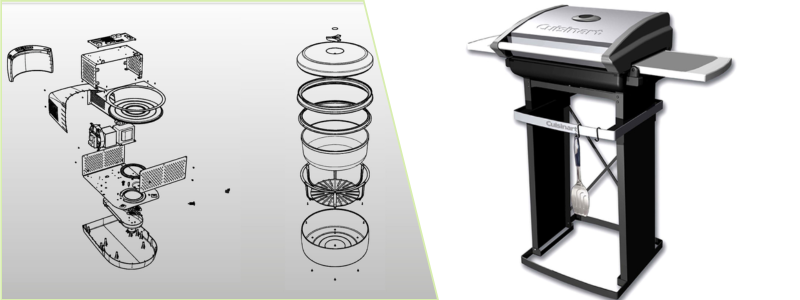
Ensuring your prototype functions well involves a combination of planning, testing, and iteration.
Here are some steps to help you achieve the desired level of functionality in your prototype:
- Define clear objectives – Before starting the prototyping process, define clear objectives for what you want to achieve with your prototype. Understanding the purpose of the prototype will guide decisions about its functionality.
- Collaborate with experts – Working with experienced engineering services, designers, and prototype manufacturers can help ensure your prototype meets its functional requirements. Collaborating with experts can also provide insights into potential challenges and solutions.
- Test and iterate – Testing is a critical part of the prototyping process. Conduct thorough testing to evaluate the prototype’s functionality and identify any issues. Use feedback from testing to make necessary improvements and iterate on the design until the desired functionality is achieved.
- Consider end-user feedback – Involving end-users in the testing process can provide valuable insights into how the product will perform in the real world. Gather feedback from users and incorporate it into the prototype design to enhance functionality.
- Plan for scale – Consider how the prototype will scale to full production. Ensure that the materials, processes, and design elements used in the prototype can be easily replicated in mass production. Testing for scalability during the prototyping phase can help prevent issues later in the process.
Technology’s role in prototype design engineering
Advancements in technology have significantly impacted prototype design engineering, making it easier and more cost-effective to create functional prototypes. Some of the key technologies driving innovation in prototyping include:
- 3D printing design services: This has revolutionized prototyping by allowing designers to quickly and affordably create physical models of their designs. This technology enables rapid iteration and testing, making it easier to achieve the desired level of functionality in a prototype.
- CAD: This software allows engineers and designers to create detailed digital models of their prototypes. These models can be used to simulate functionality, test different design options, and identify potential issues before creating a physical prototype.
- Virtual reality (VR) and augmented reality (AR): VR and AR technologies are increasingly being used in prototyping to create immersive simulations of products. These technologies allow designers to test functionality in a virtual environment, reducing the need for physical prototypes and speeding up the development process.
- Advanced materials: The development of new materials has expanded the possibilities for prototyping. From lightweight composites to flexible electronics, advanced materials enable the creation of prototypes that closely mimic the final product’s functionality.
Conclusion
The level of functionality required for your prototype depends on its purpose within the product development cycle. While early-stage prototypes may not need to function fully, later-stage prototypes should closely resemble the final product in terms of form and function. Balancing cost with functionality, considering end-user experience, and planning for scalability are all critical factors in ensuring your prototype meets its objectives.
As you embark on the prototyping process, remember that each prototype is a stepping stone towards the final product. By investing in well-functioning prototypes, you can identify and resolve issues early, gather valuable user feedback, and ensure that your product is ready for successful market entry.
How Cad Crowd can help
Ready to take the next step in your product development journey? At Cad Crowd, we specialize in helping companies bring their ideas to life through expert prototype design engineering.
Whether you’re in the conceptualization phase or preparing for pre-production, we will assist you in finding a team of experienced engineers and designers who can come up with functional prototypes that meet your specific needs.
Contact us today to request a quote and learn more about how we can support your product development process. Let us help you turn your vision into reality!