Ever stood in a grocery aisle and reached for a product you never intended to buy? That’s the magic of exceptional packaging design. In today’s visually driven marketplace, your product’s “outfit” might be working harder than your actual marketing team. The difference between a product that languishes on shelves and one that flies into shopping carts often comes down to that crucial first impression.
Table of contents
- Why packaging matters more than ever
- What 3D package rendering actually does
- What are package rendering services?
- Packaging: your silent brand ambassador
- Why professional 3D rendering is worth every penny
- Choosing the right rendering partner
- Designing packaging that sells
- Leveraging your renders beyond packaging
- Taking the next step
- Cad Crowd is here to help!
Why packaging matters more than ever
We judge books by their covers and products by their packages. When a customer grabs your product off a shelf or clicks “add to cart” online, they’re often making that decision based on visual appeal before anything else. Research from the Package Design Magazine indicates that over 70% of consumers form their impression of a product based on packaging alone. In the digital age, this visual first impression has only grown more critical.
RELATED: Company Beauty and Cosmetic Packaging Designs that are Designed for Sustainability
For established companies with in-house design teams, creating standout packaging is straightforward. But what about startups and smaller businesses? That’s where specialized 3D packaging services like Cad Crowd come in, connecting you with talented designers from their network of over 94,000 professionals who can transform your packaging vision into reality. These services democratize access to world-class design resources, allowing even small brands to compete visually with industry giants.
What 3D package rendering actually does
Think of 3D rendering services as creating a digital twin of your packaging before it exists physically. Designers craft virtual models featuring realistic textures, lighting, and shadows so you can see exactly how your packaging will look on shelves or screens. This visualization helps you perfect your design before spending a dime on production.
The technical process involves several sophisticated steps:
- Modeling: Creating the basic 3D structure and shape of your packaging
- Texturing: Applying materials and surface qualities (matte, glossy, metallic, etc.)
- Lighting: Setting up virtual lighting environments that mimic real-world conditions
- Rendering: Processing the digital information into photorealistic images
- Post-production: Fine-tuning colors, contrasts, and other visual elements
The result is virtually indistinguishable from photography, except it’s of a product that doesn’t physically exist yet. This technological magic allows brands to validate designs, test consumer reactions, and perfect their packaging before committing to production runs.
RELATED: Latest Food and Beverage Packaging Design Trends for Companies and Firms
What are package rendering services?
Package rendering services create digital visualizations of packaging concepts before physical production begins. These services use advanced 3D modeling and rendering techniques to produce photorealistic images of how packaging will look in real-world settings. The process typically begins with a conceptual design or specification provided by the client. Skilled 3D artists then create digital models with precise dimensions, structural details, and material properties.
These models are rendered with professional software that simulates realistic lighting, textures, and environmental conditions, resulting in images virtually indistinguishable from photographs of actual products. Modern package rendering goes beyond simple visualization as this serves as a comprehensive design validation tool that allows brands to evaluate aesthetics, functionality, and market impact before investing in production. This approach significantly reduces risks associated with packaging development while accelerating time-to-market.
Packaging: your silent brand ambassador
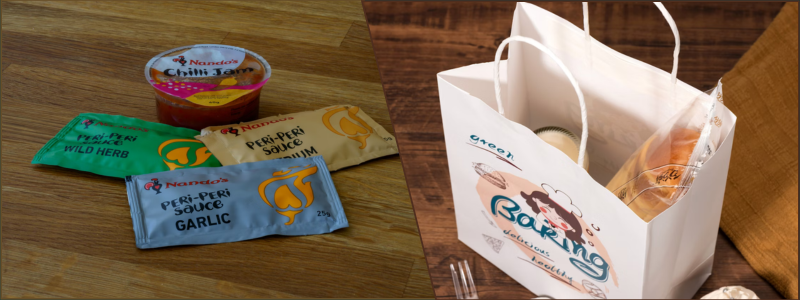
Your packaging doesn’t just protect your product, but it also narrates your story. When someone glances at your product, that package is having a full conversation with them without saying a word. Great packaging:
- Creates instant recognition (think of Tiffany’s blue box or Coca-Cola’s distinctive bottle shape)
- Communicates your brand values (premium, eco-friendly, playful, sophisticated)
- Triggers emotional connections (nostalgia, excitement, trust)
- Differentiates you from competitors (when everything else looks the same)
- Informs consumers about key product benefits at a glance
- Establishes price expectations and perceived value
- Creates consistency across your product lineup
One small beverage company completely transformed their market position with a packaging redesign. The sales jumped within three months and it’s not because the product changed, but because the new packaging made customers feel differently about it. The redesign focused on emphasizing craft production methods and premium ingredients through tactile elements and subtle visual cues that elevated the entire brand experience.
RELATED: Luxury Beauty Packaging and Cosmetic Packaging Design Trends for Companies and Firms
Build strong brand identity through packaging
Beyond simply containing products, packaging serves as a powerful brand-building tool. Every element, starting from shape to material to graphic design, contributes to how consumers perceive your company and offerings. Consistent, distinctive packaging creates mental shortcuts that help consumers recognize your products instantly, even from a distance. Apple exemplifies this principle perfectly with their minimalist white packaging, which subtly communicates sophistication, simplicity, and premium quality.
This visual language has become so distinctive that consumers can identify Apple products from across a room, without seeing logos or product names. For startups and emerging brands, distinctive packaging can accelerate market recognition. When budget constraints limit traditional advertising, your packaging becomes even more crucial as a brand communication vehicle. Every product sold becomes a brand ambassador sitting in consumers’ homes, reminding them of your company every time they interact with it.
Why professional 3D rendering is worth every penny
1. The realism factor
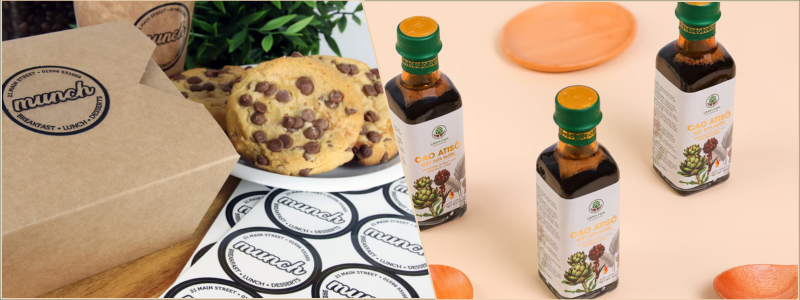
Modern 3D product rendering firms create images so lifelike you’ll swear they’re photographs. When a designer nails the lighting, shadows, and textures, the result is packaging that looks tangible before it even exists. Clients gasp when shown renderings – that’s the power of visualization done right. The technology has advanced to where designers can accurately simulate specific printing techniques like embossing, foil stamping, spot UV coating, and other special effects. This level of detail allows decision-makers to evaluate precisely how production techniques will affect the final product, eliminating surprises during manufacturing.
RELATED: New Product Packaging Design & Why It’s Important for Product Designers
2. Marketing that stops scrollers
We live in a world where attention and impression are currency. Professional renderers create images that are so compelling that they attract the attention of chronic online netizens, e-commerce shoppers click, and print ad viewers linger. They’re not just pictures, but they’re visual storytelling tools that build trust and spark curiosity.
The versatility of 3D renders also allows for perfect consistency across all marketing channels. The same base model can be rendered in different contexts, like on a kitchen counter, in someone’s hand, or on a store shelf, ensuring your visual messaging remains coherent regardless of where customers encounter your brand.
3. Saving money (yes, really)
The dirty secret of custom packaging concept design services? Mistakes are expensive. By catching design flaws virtually, you avoid costly production errors. A food company identified a structural weakness in their packaging design through 3D rendering that would have cost them thousands in recalls had they gone straight to production. The financial benefits extend beyond error prevention:
- Reduced prototype costs: Physical prototypes can cost hundreds or thousands per iteration
- Faster design cycles: Time-to-market improvements translate directly to revenue
- Marketing versatility: One 3D model can generate countless images for various uses
- International adaptations: Easily visualize packaging variations for different markets
- Seasonal promotions: Quickly create special holiday or limited-edition package designs
The initial investment in quality 3D rendering typically pays for itself many times over throughout a product’s lifecycle.
RELATED: Designing Attractive Cosmetic Packaging & Beauty Packaging for Your Company’s Brand
4. Visualizing the impossible
Want to see how your package looks under store lighting? In someone’s hand? On a crowded shelf? 3D rendering lets you visualize scenarios that would be impractical or impossible to photograph. This helps you make smart design decisions based on how your product will actually be experienced. Creative directors and brand managers can explore countless variations without the constraints of physical production. Does your package look better with a matte finish or gloss? Should the logo be embossed? Is the color balance right under fluorescent lighting? All these questions can be answered before committing to tooling or printing plates.
Choosing the right rendering partner
1. Quality: the non-negotiable factor
When evaluating potential photorealistic rendering partners, their portfolio speaks volumes. Look for renders with attention to detail – the way light reflects off foil, how shadows fall across curved surfaces, material texture. These details separate good renders from great ones. A small kombucha brand landed premium shelf space primarily because their packaging renders were so exceptional that retailers could envision exactly how the bottles would enhance their store aesthetics. The renders included contextual images showing how the products would look in refrigerated displays, convincing buyers before a single bottle was produced.
What to look for in a portfolio:
- Variety of packaging styles (bottles, boxes, pouches, etc.)
- Range of materials and finishes
- Accurate representation of printing techniques
- Realistic environmental integration
- Consistent quality across projects
Remember that portfolio quality directly reflects what you can expect for your own project.
2. Advanced technologies in rendering services
Look for rendering partners who utilize cutting-edge technologies that can accurately simulate complex packaging elements. Industry-leading services employ specialized software for different packaging components – some excel at fluid dynamics for beverage packaging, others at fabric simulation for soft goods packaging, and still others at structural engineering for protective packaging. Ask potential packaging designers about their approach to technical challenges specific to your product category.
RELATED: Functional and Creative Packaging Designs for New and Existing Products for Companies
Can they accurately render metallized films? How do they handle complex transparent structures? Do they simulate opening mechanisms? The answers will reveal their technical sophistication and suitability for your project. The most advanced rendering services are beginning to integrate physics simulations that can predict how packaging will perform under stress – dropping, stacking, or shipping conditions. This capability bridges the gap between aesthetic visualization and functional testing, providing additional value beyond pure visual representation.
3. Timeline considerations
In product development, timing is everything. Be upfront about your deadlines and make sure your rendering partner can deliver quality work within your timeframe. The best providers prioritize your schedule without sacrificing quality – you shouldn’t have to choose between good and fast.
Typical timelines for professional rendering projects:
- Simple package visualization: 3-5 business days
- Complex packaging with multiple variants: 7-14 business days
- Complete product line with environmental contexts: 2-4 weeks
These timeframes vary based on complexity, revisions, and specific technical requirements. Established services like Cad Crowd can often work within tight deadlines without compromising quality, thanks to their large network of professionals
4. Investment vs. cost
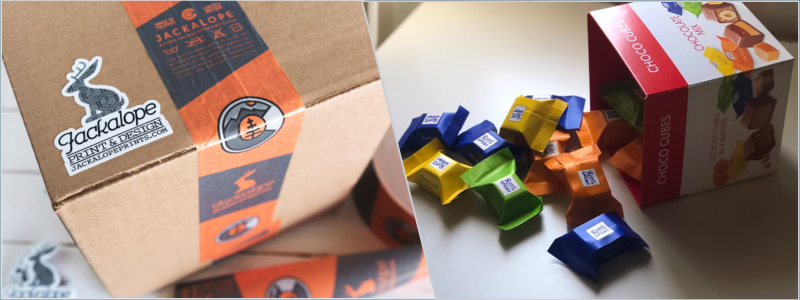
There’s a difference between price and value. While budget matters, the cheapest option rarely delivers the best results. Instead, look for a partner offering transparent pricing that aligns with the quality you need. Remember: these renders will represent your product to the world and influence purchasing decisions.
RELATED: Why 3D Packaging Rendering Services is Essential for Marketing Your Company’s Products
Quality 3D packaging rendering typically falls into these investment ranges:
- Basic single-view renders: $300-800
- Multi-view package visualization: $800-2,000
- Complete packaging line with environmental integration: $2,000-5,000+
While these figures may seem substantial, compare them to traditional photography costs (including studio time, physical prototypes, and retouching) and the financial impact of delayed product launches. The ROI becomes clear when viewed holistically.
Designing packaging that sells
1. The psychology of color
Colors aren’t just decorative – they’re communicative. Blue builds trust (think Facebook, PayPal). Green signals freshness or sustainability. Black suggests luxury. Your color palette should align with your brand personality while standing out from competitors. Case studies showed that the switch in their packaging from red to purple and saw their perceived value increase significantly – customers suddenly viewed the same product as more premium.
RELATED: Effective Cosmetic Packaging Design Tips for New and Better Cosmetic Products Companies & Firms
The color shift subtly repositioned the brand without changing a single product ingredient or feature. Effective color psychology requires understanding both universal associations and category-specific conventions. Sometimes following color norms helps consumers quickly identify your product type.
2. Typography that speaks volumes
Fonts convey personality before anyone reads a word. Would you trust a bank that used Comic Sans? Exactly. Your typography should reflect your brand character, be playful, sophisticated, trustworthy, and innovative, while remaining readable at various sizes. Typography mistakes are painfully common. I remember a premium skincare brand that spent thousands on ingredients but used a font reminiscent of a garage sale flyer.
Their sales doubled after a typography overhaul, same formula, different font. Another client struggled with font sizing that looked perfect on computer screens but became microscopic on their actual packaging. Great typography requires the 3D modeling design expert to balance multiple considerations: legibility across different sizes, emotional resonance, brand consistency, and practical production concerns like how certain fonts hold up to different printing processes. It’s technical and emotional all at once.
RELATED: Benefits of Product Label and Packaging Designs for Companies and Amazon Sellers
3. Sustainability as strategy
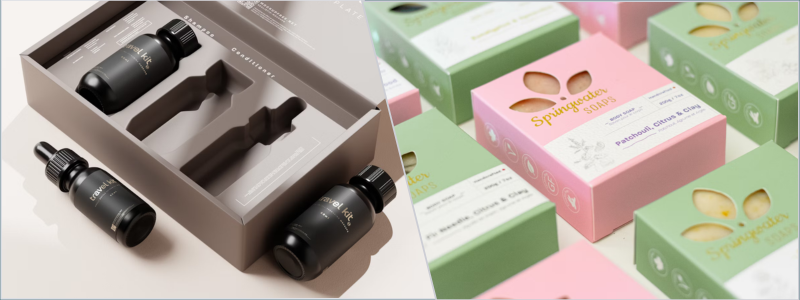
Modern consumers increasingly choose products based on environmental impact. Showcasing sustainable packaging materials or minimalist design doesn’t just help the planet – it attracts conscious consumers. Sustainable packaging often looks different. The textures, colors, and finishes of eco-friendly materials don’t always match conventional expectations. I’ve watched focus groups reject perfectly good sustainable packaging simply because it didn’t “look right” compared to less sustainable alternatives they were used to.This creates a fascinating design challenge.
How do you signal environmental responsibility while maintaining premium appeal? One craft brewery explored twelve different recycled cardboard finishes, finding one that actually enhanced their artisanal positioning rather than detracting from it. Through 3D visualization services, you can experiment with material appearance, thickness, finish, and structural design to find sustainable solutions that enhance rather than compromise your brand experience. This visual exploration helps bridge the gap between environmental responsibility and market appeal. Be authentic about your environmental efforts; today’s buyers can spot greenwashing from miles away.
4. Creating an unboxing experience
The physical unwrapping creates anticipation and builds value perception through delayed gratification. Each reveal is an opportunity to surprise and delight. I’ve watched countless focus groups where participants’ pupils literally dilate as they unwrap particularly well-designed packaging – a physiological response indicating pleasure and attention. The social dimension can’t be ignored either. My teenage nephew unboxes everything on TikTok – from sneakers to gaming accessories.
RELATED: Sustainable Packing Design Tips for New Products at Your Firm
He’s not unusual; unboxing content generates billions of views annually. Brands that design with this sharing behavior in mind gain essentially free advertising from satisfied customers. 3D rendering lets you choreograph this entire experience before production. You can visualize the sequence – first impression, opening mechanism, initial reveal, secondary containers, product presentation, and even supplementary materials like thank-you cards or instructions. This sequential visualization helps identify missed opportunities or potential disappointments.
Leveraging your renders beyond packaging
E-commerce applications are perhaps even more valuable. Online shoppers can’t pick up your product to examine it, making visualization crucial to purchase decisions. Detailed renders from expert 3D rendering designers showing package features, opening mechanisms, or size comparisons address hesitations that might otherwise prevent conversion. A kitchenware client discovered that adding exploded-view renders showing their packaging’s recyclable components increased their checkout completion rate. Great 3D renders have lives beyond production approval:
- Social posts that showcase your product from perfect angles
- E-commerce images that provide detailed views impossible with photography
- Sales presentations that help retailers envision your product in their stores
- Trade show materials that draw attention from across the floor
A tech accessory brand used their packaging renders in a targeted Instagram campaign that delivered a higher engagement rate than their traditional product photography.
RELATED: Cosmetic Packaging Design & Package Design Services Costs and Pricing: Complete Breakdown
Taking the next step
Creating standout packaging isn’t just about looking good – it’s about strategic visual communication that drives business results. The right 3D expert designers don’t just deliver pretty pictures; they help translate your brand story into visual elements that connect with customers and drive purchasing decisions.
Cad Crowd is here to help!
Ready to make your packaging work harder for your brand? Consider connecting with specialized design services like Cad Crowd that can match you with vetted professionals who understand both the art and science of packaging design. Your products deserve packaging that works as hard as you do.