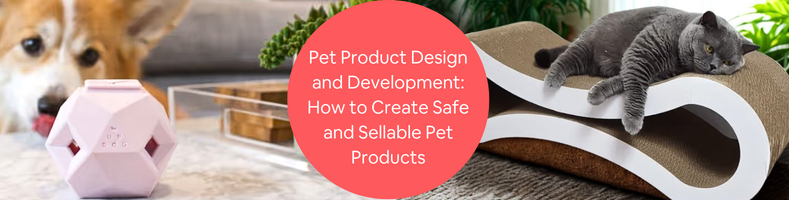
Designing pet products is a crucial process to go through. It goes beyond the basic aesthetics and accessories, as the pet product industry has expanded throughout the years. Pet owners no longer stick with just the visual look of a product, but also go through its safety, durability and reliability. In the process of creating successful pet products, an in-depth understanding of animal behavior is a must, which includes how pets interact with specific objects. That is why designers must put into consideration how each factor affects the everyday interaction of the pet with the certain product.
Platforms like Cad Crowd help connect businesses with the right and freelance product designers who support these stages of delivering quality production-ready products. In this article, we’ll provide you with key elements of what makes a product design unique and the appropriate process behind creating not just aesthetically pleasing, but safe and sellable pet products.
RELATED: Exciting Pet Product Designs and Innovations for Your Company’s Next Design Project
🚀 Table of contents
What are the key considerations in designing pet products?
| Durability | Pet products must handle animal’s chewing, pulling, scratching, and repeated use. |
| Material safety | Materials used should lessen potential risks like skin contact, ingestion, and long-term exposure. |
| Animal ergonomics | Products must be designed to fit different species, sizes, breeds, and behavior. |
| Cleanability | Product design should allow easy access to maintenance and cleaning |
| Manufacturing feasibility | Products should balance product cost, manufacturability and feasibility |
| Smart features | Smart Pet Products must consider battery placement and physical designs |
Designing pet products highly requires a proper balance between the needs of both animals and their owners. Though appearance and market appeal serves as the first thing people would notice, successful products still need to perform reliably under real-world conditions. And the following factors mentioned above significantly influence how engineers and designers approach the development of every pet product.
Why is pet product design differ from other consumer products?
Pet products may appear simple at first, but the process of creating one takes so much specialization and a deeper level of understanding and consideration to the animal’s behavior. It needs to be carefully and thoroughly studied beforehand since everything that’s incorporated in that specific product may affect the animal itself. It differs from other consumer products since it must handle unpredictable animal interactions like biting, pulling, scratching and continuous use regardless of conditions.
A successful pet product design services must serve two users, the pet and its owner. Animals, like humans, need products that are comfortable, durable, and safe to use, while owners expect that it is reliable, convenient, and attractive. This creates a different kind of challenge which requires careful consideration all throughout the development process of the product.
RELATED: Tips for Pet Toy Design, New Product Development at Prototype Manufacturing Services at Companies
How does animal behavior affect product durability?
Animal behavior plays an essential role in determining how durable a pet product must be, since unlike human products, pets behave unpredictably, and designers must anticipate that to create a product that would remain safe and functional over the period.
Designers must consider
- Chewing resistance. Products should not be easily broken to reduce risks from tiny, swallowed pieces.
- Pulling strength. Harnesses, collars, and leashes must hold up against repeated force.
- Scratch resistance. Surfaces, beds, and carriers should stay durable despite continuous scratching.
- Repeated use. Products should maintain their quality performance despite being used daily.
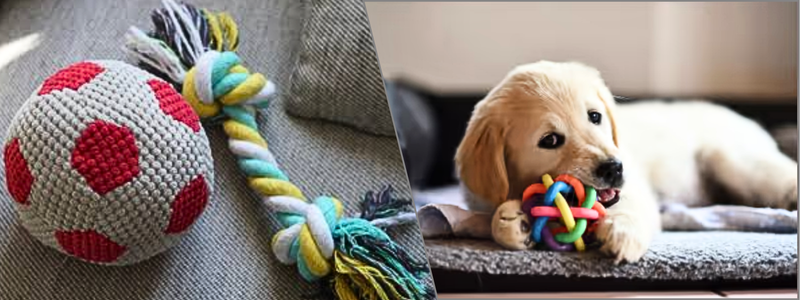
Through these challenges, pet product designers incorporate stronger materials and apply specialized testing methods in the process of development. In this way, products are ensured to handle real-world pet behavior while also maintaining its reliability and safety.
Why must pet products consider both pets and owners?
Pet products are somehow unique since they must meet the needs of two users, the animal and the human owner. While pets need products that are comfortable, enjoyable, and safe to use, owners look for product design services that are reliable, convenient, and easy to maintain. So designers must design a product that could balance these different expectations to deliver products that effectively work for both.
Pet products that commonly use a dual-user approach
- Harness– a product that must provide both freedom of movement and comfort for pets, while also giving owners easier control and confidence.
- Feeders– it should support the healthy eating habits of the animals while being easy to clean and maintain by the owners.
- Toys– it needs to keep the pets entertained and engaged while it’s safe and durable to use.
RELATED: How to Take Hardware Product from Concept to Commercialization: A Complete Guide
How do designers create pet products that can withstand chewing, pulling, and scratching?
One of the most essential considerations in the process of designing a pet product is durability, since animals are known to interact with these products far differently from how humans do. A product that looks strong during its partial testing will still fail after repeated scratching, chewing, pulling, or exposure to outdoor conditions. Just because it looks strong doesn’t guarantee its durability.
That is why designers must really anticipate these behaviors from the early stages of development in order to make sure that the products are safe and functional throughout their lifespan. It requires a combination of structural design, material selection, and performance testing to successfully create a durable pet product. From strong harnesses to chew-resistant toys, engineers and designers should thoroughly evaluate how products respond to continuous stress before they are launched in the market.
How do designers test for real-world pet use?
| Real-world pet interaction | To better understand how certain pets naturally use and interact with specific products. | Behaviors like pulling, scratching, playing, chewing, resting, and repeated daily use. |
| Chewing tests | To make sure that the products remain safe and durable under biting forces. | If materials can resist splintering, cracking, breaking, or creating small, tiny pieces that could become hazards. |
| Pulling & tension tests | Measure the strength of products that are exposed to animal’s force and movement. | Leashes, collars, harnesses, and attachments to ensure they can handle sudden pulls and repeated stress. |
| Scratch & abrasion tests | To evaluate its resistance to surface potential damage and long-term wear. | Assess whether coatings, fabrics and surfaces can withstand scratching, rubbing, tearing, and frequent use. |
| Moisture & weather resistance tests | To determine how certain products perform in different environments and under any conditions. | Test resistance to water, dirt, sunlight, temperature changes, and repeated cleaning cycles. |
| Design improvements | Apply test results to improve product performance. | Modify materials, shapes, structures, and features to address weaknesses and enhance safety. |
| Production | Prepare the finalized product, ready it for manufacturing. | Confirm that the design meets the quality and standard requirements before mass production. |
The table mainly depicts how designers evaluate products under conditions that resemble closely to everyday use. Instead of just relying on assumptions, they thoroughly assess how pets naturally scratch, chew, pull, and interact with products while considering its environmental factors like temperature and moisture. By helping with the findings from every stage, they can spot potential weaknesses, allowing them to refine materials, structural features, and the entire performance before proceeding to the production. Addressing the issues early in the development process helps in improving product durability, safety, and reliability, while making sure that it won’t cost later revisions after product launch.
RELATED: 24 of the Best Pet Gadgets for Your Furry Friend
What materials are safe for pet product development?
One of the most important decisions in the process of product development services is choosing the right materials. It is very crucial since animals behave differently and pet products are being used more harshly by animals. So, materials must be safe, as it is as important as durability. Designers must put into consideration how materials perform during continuous use while minimizing the possible risks if it’s damaged or worn.
While pet products are subject to specific federal and state regulations depending on its product type, the United States does not have a comprehensive federal safety standard which applies to all pet products. Because of it, a lot of manufacturers voluntarily adopt higher safety practices and dig into established standards in different industries when developing new products.
How are pet product safety standards evolving?
As pet product safety standards continue to develop, the industry has become more structured, putting more emphasis on improving product reliability and safety practices. ASTM International’s Pet Product’s Subcommittee (F15.80), together with the support from BARK Company and other industry partners and stakeholders, has gradually established a voluntary consensus standard for pet product safety, testing, and performance. Through these efforts, manufacturers and designers create products that appropriately address real-world pet use.
RELATED: Product Development Considerations that Can Make or Break New Product Ideas Before Launch
As pet-specific standards continue to evolve, there are some companies that compare certain safety considerations with practices used for children’s products, specifically for items that are exposed to repeated handling and chewing. Although children and pets interact with products way differently, both still require attention to safer materials, durability, and minimizing potential hazards that may happen. Through these evolving approaches, designers can create pet products that are stronger, safer, and more suitable for long-term use.
Why does material selection matter?
Even the most good-looking and innovative pet product can fail if it’s not built with appropriate and suitable materials. A material selection experts that works well in appearance is not guaranteed to withstand repeated chewing, while others may be durable but hard to clean or may be uncomfortable for the specific animal. By carefully selecting and choosing appropriate materials during the early design process, product teams can improve product safety, extend its lifespan, and deliver products that would earn consumers’ trust, while also meeting the standard demand of everyday pet use.
How does species ergonomics influence pet product design?
In the process of designing pet products, a different approach to ergonomics is being applied since animals and humans do not share the same body structure. That is why designers must account for several variations of animals across its sizes, breeds, species, and behaviors. This is what makes it more challenging as it becomes an animal anthropometrics challenge, which requires a deeper understanding of its body measurements, physical limitations, movement patterns to create a product that is safe, comfortable, and functional.
RELATED: How to Find the Right Industrial Design Company for Successful Product Development
There are a lot of animals or pets in the world, so a specific product design for a certain animal may not work for others. Even if it’s within the same species, there can still be differences, especially when it comes to breeds. Just like, for example, a harness that fits a small Chihuahua will not fit or be suitable to a Great Dane. As a result, designers should study animal proportions and make adjustable and adaptable solutions that could accommodate the variation of users.
Why do breed differences matter in pet product design?
Breed differences matter in product design since it is not the same as human products, which are often designed based on its standardized body measurements. Pet products should be considered in a much wider range of physical variations.
Designers must evaluate these factors
- Body size and proportions. Different breeds have variations in neck size, weight, chest width, and entire body structure.
- Movement patterns. Pet products must be open for natural movement without restricting animals’ running, climbing, stretching, or walking patterns.
- Strength and activity level. Animals that are larger or more active require stronger materials.
- Behavior differences. There are breeds who chew more aggressively, pull harder, or interact way differently with specific products.
How do designers apply animal ergonomics?
In creating products that are suitable for real-world use, designers need to combine research, prototypes specialist, measurements, and testing.
RELATED: A Guide to Concept Design with Product Design & Engineering Companies
This may include studying the following:
- Common Animal Breed Measurements
- Animal Posture and Movement
- Animals’ Interaction Behavior
- Owners’ Handling Requirements
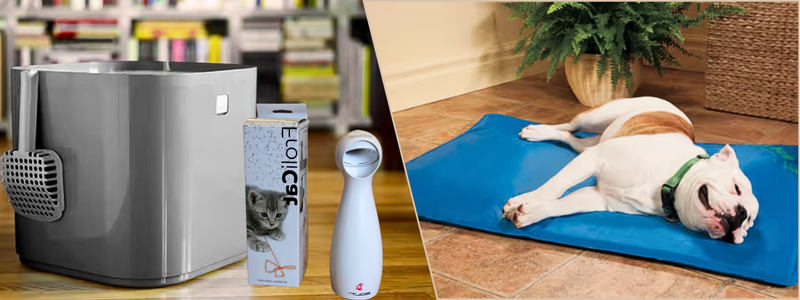
For products like feeders, ergonomic design services may affect usability. Like for example, a slow feeder bowl, it must be designed with factors like snout length, accessibility, and eating posture. A design that works accordingly for a short-snouted breed is not guaranteed to provide the same comfort for a long-snouted dog.
Why is ergonomic design important for pet products?
It is important since it can affect the usability experience of the animal. When it is poorly designed, it will create discomfort, limit animal’s movement, or discourage them from using it. When products are designed around animal behavior and anatomy, then it will improve its usability, safety, and customer satisfaction. Through applying principles like human-centered design but an animal-kind approach, designers can create and deliver products that support both the well-being of the pet and human owner expectations.
Why is cleanability important in pet product design?
Cleanability is mostly taken for granted, especially during early stages of pet product development services, but it plays an essential role in the success of the product. Unlike other consumer products, pet products are always exposed to dirt, saliva, fur, food residue, and moisture. A product that is complicated to clean can become an inconvenience for owners, which will negatively affect both long-term use and customer satisfaction.
RELATED: Top Product Usability Factors for Good Product Design Services & New Prototypes
It is important that designers should consider maintenance as one of the essential parts of the overall user experience. While it is obvious that the pet is the primary user, the owner is still the one responsible for cleaning and maintaining the product. One factor to consider in determining a successful design is it makes the task simple while maintaining its performance and durability.
How do designers create easier-to-clean pet products?
Durability or strength of material design services starts at the design phase, where decisions are mostly about structure, materials, and product features.
These are what designers often consider
- Washable materials. Coatings, fabrics, and plastics should handle repeated cleaning without degrading.
- Removable components. Detachable parts of the product make it easier to clean, especially in areas where food, dirt, or bacteria may possibly accumulate.
- Water-resistant designs. Most pet products are exposed to moisture like feeders. So, materials that resist water absorption are really required.
- Simplified structures. Reducing any unnecessary gaps, seams, or difficult-to-reach areas can really prevent build-up and improve hygiene.
How are smart technologies changing pet product design?
Everything we see nowadays are mostly high-tech, and pet products are no exception since smart technology creates a new category of products that combine both traditional accessories with advanced features. Products like smart collars, pet cameras, automated feeders, and GPS trackers are starting to help owners monitor, interact, and care for their pets in a very high-tech way.
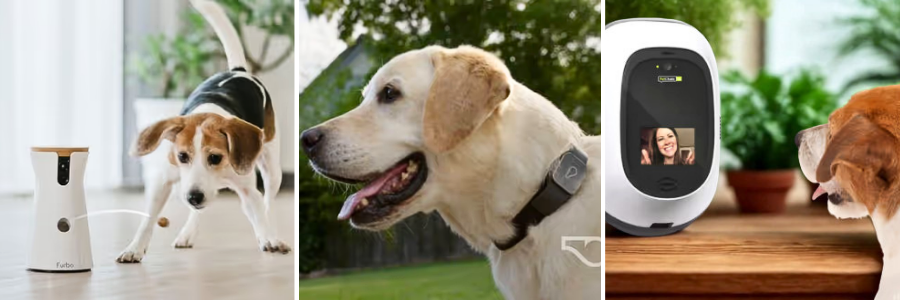
However, with the integration of technology to pet products, another layer of design is also introduced since it’s more complex, and products must satisfy not just the animal needs but also its electronic requirements. It’s not like the usual or traditional pet accessories since smart pet products require collaboration between mechanical engineers, electronic specialists, and freelance industrial designers.
RELATED: Best 50 Websites to Hire New Product Design Freelancers for Product Prototype Services
The tricky part here is that designers must consider the physical experience of the pet while also putting into consideration various space for internal components, electronic placements, while ensuring its reliability in everyday environments.
What design challenges do smart pet products require?
| GPS trackers and smart collars | Lightweight construction, battery life, waterproof housing, secure attachment, pet comfort |
| Pet cameras | Durable enclosure, camera placement, connectivity, power management, user-friendly operation |
| Automatic feeders | Food-safe materials, motor reliability, sensors, portion control, easy cleaning |
| Activity monitors | Sensor accuracy, compact size, comfortable attachment, wireless communication |
How do batteries and connectivity affect smart pet product design?
One of the major challenges in the development of smart pet products is the integration of electronics without compromising its usability. For example, a GPS tracker requires enough battery capacity for it to reliably operate while still being comfortable for the animal. And having a bulky device can really affect an animal’s movement, leading to a possible discouragement from wearing it.
That is why it’s very important for designers to consider battery size and placement, charging methods, power efficiency, and wireless connectivity. The application of the electronics must also be protected by its physical design. Smart collars and trackers may possibly be exposed to dirt, impacts, movement, and rain, which requires durable and appropriate protective housings.
RELATED: Best 38 Websites To Hire Pet Product Design Service Freelancers for Dog and Cat Products
Why do smart pet products require IoT and electronics considerations?
Smart wear design services combine both physical design with digital technology through the Internet of Things, which helps in allowing devices to collect data and connect with different platforms. Designers must put into consideration not just the looks of the product, but also its software, hardware, and connectivity.
For wireless devices, developers should follow certain requirements like Federal Communications Commission guidelines to ensure their reliability and safety. In the process of creating successful smart pet products, strong collaboration between engineers, designers, and technology specialists must be prioritized so they can properly balance usability, innovation, and durability.
Want to bring your pet product idea to life?
Do you have stored ideas and concepts for a pet product but need the right expertise to support in developing it? Work with experienced product designers and engineers to help you turn your concept into a safe, functional, and market-ready solution. Whether you are deciding to create a smart device, toy, feeding solution, or a pet accessory, Cad Crowd connects you with skilled and experienced product development experts that can surely help in transforming those ideas into a successful product.
RELATED: Why Phase 0 Is Crucial for New Product Development and Physical Product Design Firms
Frequently asked questions
- What makes pet product design different from other product design?
Pet product design must put in consideration the animal behavior, durability, safety, and the needs of both the pets and the owners.
- How does AI help in pet product development?
AI significantly helps designers in exploring concepts, creating visuals, generating 3D models, and of course, improving its design process efficiently.
- Why is durability important in pet products?
Durability is important since pet products must withstand animals scratching, chewing, pulling, and repeated use, while maintaining their functionality and safety.
- What factors should designers consider when creating smart pet products?
Designers must focus on balancing connectivity, technology, comfort, safety, and ease of use, not just for pets but for owners as well.
Conclusion
The process of developing a successful pet product requires more than visually appealing designs. There are a lot of factors that need to be considered like its durability, safety, usability, and most importantly, how pets interact with the product. Whether it’s about designing pet devices or interactive toys, it should be done with careful consideration and appropriate expertise that puts emphasis on the balance between the needs of the animal, expectations of the owner, and, of course, production standards. Here in Cad Crowd, we provide you with the right CAD designers who are equipped with experiences in incorporating AI-Assisted tools in the process of delivering high-quality results.
RELATED: How Design for Manufacturability (DFM) Services Help with New Product Design at Your Startup
How Cad Crowd can help
Cad Crowd connects businesses with experienced product designers and engineers who specialize in pet product development. From durable toys and smart pet devices to feeders, collars, and accessories, our experts help create safe, reliable, and production-ready products. With expertise in CAD design, prototyping, material selection, and manufacturing support, Cad Crowd helps bring innovative pet product ideas to market with confidence. Contact Cad Crowd today for a free quote.