
Do you see one flawless product picture, one that’s almost too good to be true? Spoiler alert: it is. No expensive photoshoot, no lighting setup in a studio, and definitely no renting a warehouse-sized backdrop. That’s the charm of 3D product rendering services , not merely a fad, but a visualization behemoth for marketing departments, design firms, and freelance providers eager to woo customers before they click. Those experts are now all at everyone’s fingertips on Cad Crowd, a qualified industry leader.
Whether you’re selling luxury watches, cutting-edge smart tech, artisanal furniture, or sustainable packaging, choosing the right 3D product rendering style is the secret sauce. Each style sets a different tone, tells a different story, and appeals to a specific type of customer. Let’s walk through the major 3D product rendering styles that are redefining marketing visuals and how companies and freelancers use them to spark conversions and brand loyalty.
RELATED: Speeding Up Product Development with New Product Design Services Companies
1. Photorealistic rendering: the trust-builder
We begin with the rock star of them all. The photorealistic rendering style is often mistaken for high-end photography. Each reflection, shadow, surface texture, and material finish is crafted with precise attention to reproduce reality, at times even more precisely than a real-life photoshoot might have been able to provide.
Use Case: Luxury brands, auto products, technology gadgets, real estate visualizations, and cosmetic packaging. If your marketing campaign requires polish and perfection, this is your go-to.
Why it works: It establishes trust. Customers are more willing to add to cart or ask for a quote when they can see all the details. 3D design firms invest in this type of rendering for flagship releases and catalog photography, while freelancers utilize it to provide affordable, bespoke imagery for budget-conscious indie brands.
RELATED: Best 50+ Drafting Companies & CAD Design Services Firms in the US
2. White background rendering: the minimalist’s favorite
Also known as “eCommerce-style rendering,” this minimalist one reduces all the fuss. The product sits against a minimalist, white (or slightly shaded) background, with no distractions.
Use Case: Online stores such as Amazon, Shopify stores, product catalogs, package mockups, and dropshipping stores.
Why it works: White background rendering removes visual noise. It’s scalable to large catalogs, emphasizes form and function, and is commonly the first step in creating a 3D asset library. Many freelance renderers provide this as a starter service for businesses that require bulk product images in a hurry.
Pro tip: Use this style for A/B testing thumbnails, you’ll be surprised how much conversion rates hinge on tiny lighting or angle changes.
RELATED: How is Product Design Different From Industrial Design Services Companies?
3. Cutaway rendering: anatomy of a product
You’ve seen this with high-end watches, electric vehicles, or smart home devices, a product sliced open to reveal its internal structure, like gears, batteries, or tech components. Cutaway rendering makes the invisible visible.
Use Case: Engineering devices, electronics, intricate mechanical goods, health equipment, and learning materials.
Why it works: Purchasers are great fans of transparency, particularly for those products that perform and innovate. Firms utilize cutaway renders in pitch decks, investor collateral, and marketing efforts to emphasize craftsmanship and in-house engineering capabilities. CAD background freelancers tend to specialize in these technical, layered renderings.
4. Exploded view rendering: engineering meets art
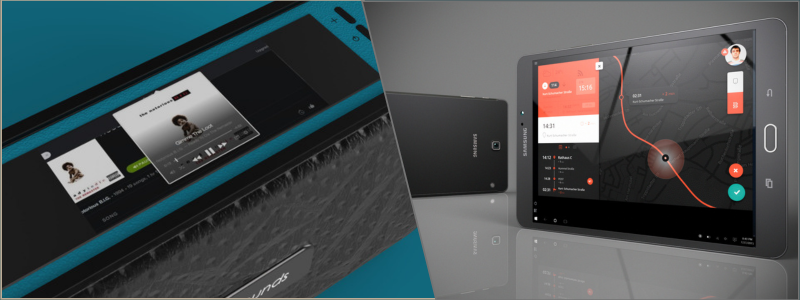
This style elevates it to a whole new level. An exploded view disassembles a product piece by piece to show the interconnections between them. Picture a phone where the display, circuitry, screws, and casing dangle in a symmetrical arrangement, all of which are visible but not yet put together.
Use Case: Assembly instructions, product development, marketing, B2B catalogs, and investor demos.
RELATED: Top 50 Websites to Hire AutoCAD Design Freelancers for CAD Design & 3D Modeling Services
Why it works: It’s a combination of storytelling and simplicity. For industrial brands or engineering clients that collaborate with design companies, exploded views are often used to present complex information in a clear and digestible manner. Freelance technical 3D renderers often prefer this format for showcasing portfolio pieces and case studies to clients.
5. Lifestyle rendering: setting the scene
Picture a sofa in a light-filled Scandinavian living room or a kitchen gadget in a modern loft. That’s an example of lifestyle rendering, which combines product visualization with interior design services to create a desired living that the product is a part of.
Use Case: Furniture, home decor, consumer electronics, and wellness brands.
Why it works: It taps into aspiration. Consumers don’t merely wish to know what something looks like; they want to see where it fits into their lives. Ad agencies use this style for advertising campaigns and lookbooks, freelance 3D artists provide lifestyle packs for real estate developers, online brands, and DTC campaigns.
Tip: The secret of terrific lifestyle shooting is convincing context — natural lighting, accurate proportions, and adjunctive props.
RELATED: Top 50 Consumer Product Design Service Companies, Agencies & Design Firms in the US
6. Conceptual rendering: the art of imagination
At times, reality falls short. You need something extraordinary. Conceptual rendering sets aside traditional approaches. It features imagined scenes like surreal vistas, impossible perspectives, futuristic cities, and enchanting materials. Products appear to levitate or spin within digital waveforms and bursts of particles.
Use Case: Tech startups, AR/VR products, branding campaigns, and teaser ads.
Why it works: It’s eye-catching. Ideal for social media, campaign launches, and products still under development. While companies tend to work with product design studios for concept work, independent artists who speak digital sculpting and stylization can also create top-notch renders that go viral.
7. Animation rendering: bringing it to life
Still images are wonderful, but occasionally motion conveys more. Animation rendering transforms a fixed product into a 3D film, turning views, feature spotlights, packaging unveilings, and even step-by-step assembly walkthroughs.
Use Case: Website hero sections, YouTube commercials, trade show booths, and onboarding tools.
Why it works: Video drives engagement. Freelancers may make product explainers or looping animations for cheap, while 3D visualization design companies sometimes include animation in product launch packages. Use your imagination and incorporate moving exploded views, dynamic text callouts, or even films that are suitable for augmented reality.
RELATED: Turning Concepts Into Stunning 3D Renderings with Architectural Visualization at Your Services Firm
8. Wireframe rendering: blueprint aesthetic
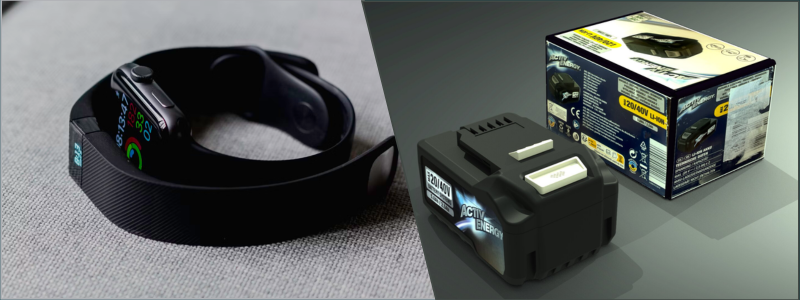
Rendering in a wireframe style pays homage to the digital skeleton, the building block of all models. It has an oddly attractive aesthetic quality while being technical and unrefined. Ideal for companies whose products need to showcase technical sophistication, code, or “under-the-hood” knowledge.
Use Case: Software and hardware launches, developer tools, CAD product design, and data visualizations.
Why it works: It adds credibility. Buyers get to see behind the scenes, and companies can point out their design process subtly. Freelancers adept at CAD and parametric 3D modeling usually include wireframe or hybrid renders in branding decks and case studies.
Aligning the style to the brand
So, how do you select a suitable 3D product rendering style for your project? Here are a few tips:
• Brand Personality: Is your product sophisticated and modern, earthy and artisanal, or aggressive and high-tech? Each aesthetic fits a different personality.
• Target Audience: Technical purchasers enjoy detail-dense cutaways. Lifestyle shoppers desire a warm context. TikTok consumers may adore dreamlike conceptual imagery.
• Marketing Channel: Web? Print? Social media? Email campaigns? Align the style of rendering with the platform’s strengths.
• Budget: Photorealistic animation and rendering firms tend to be more expensive but provide more returns. Freelance work may provide modular costs or per-render deals.
• Product Stage: Conceptual renders play well pre-launch. Photorealistic and lifestyle imagery excels post-launch.
RELATED: How 3D Animation Helps Deliver Immersive Marketing Campaigns & Company Services
How design firms & freelancers work together
Design firms typically operate at scale, managing multiple products and deliverables while ensuring continuity across campaigns. Their strengths are:
- Art direction
- Brand alignment
- Multi-platform asset creation
- Cross-team coordination
- Freelancers contribute
- Agility and speed
- Niche specialization (medical, jewelry, packaging, etc.)
- Budget flexibility
- One-on-one collaboration
Most successful campaigns end up doing a combination of both. A studio might be engaged on a flagship campaign by a company, but freelancers might be hired for secondary renders, social media content, or quick prototyping renders. Through resources such as Cad Crowd, Behance, or Dribbble, brands are able to reach freelance 3D artists worldwide specializing in precisely the rendering style required.
Why 3D product rendering isn’t optional anymore
The use of three-dimensional models to depict products isn’t only a passing trend in modern interior design. That’s a selling point. Customers nowadays want more than just photos that are spot on. Before making a purchase, they want assurance, personalization, and transparency. Here is where 3D rendering comes into play, both in terms of appearance and performance.
RELATED: The 30 Best 3D Rendering Services Studios & Companies in Los Angeles in 2025
Take time-to-market into account. Product photography in the old days involved sending prototypes, scheduling studio time, and crossing fingers for sunny skies. All that delay goes away when you use 3D rendering designers. All you need is a fast, scalable visual pipeline; no props or weather are required. And then there’s the sales effect. Beautiful renderings get noticed, engage shoppers, and most crucially convert. The better the image, the more assured the buyer.
It also lessens returns. Why? Because 3D imagery can demonstrate products from any angle, any color, and texture, consumers get a more realistic idea of what they’re purchasing. Looking to personalize? Sure thing. The ability to change textures or colors is at their fingertips. Also, 3D assets are quite versatile, making them ideal for multichannel marketing efforts that incorporate social media, online stores, catalogs, and even augmented reality.
Regardless of whether you are a startup with an ambitious idea or a legacy brand with an entirely new product line, smart rendering isn’t a choice. It is the visual engine that drives contemporary product storytelling.
RELATED: 12 Important Hiring Tips for 3D Rendering Freelancers & 3D Modeling Service Companies
Conclusion
The future of product marketing is centered around hyper-visual strategies. Brands that excel don’t merely showcase; they captivate, inspire, and resonate with consumers. By grasping 3D product rendering techniques and collaborating with the right design firm or freelance expert, you’re not just promoting a product, you’re creating an emotion, an experience, and ultimately, a sale.
Cad Crowd is here to help
Are you ready to elevate your visuals to new heights? Start your journey toward your next bestselling campaign with a stunning render! Contact Cad Crowd today for your free quote and watch your vision come to life! Don’t wait, transform your ideas into reality now!