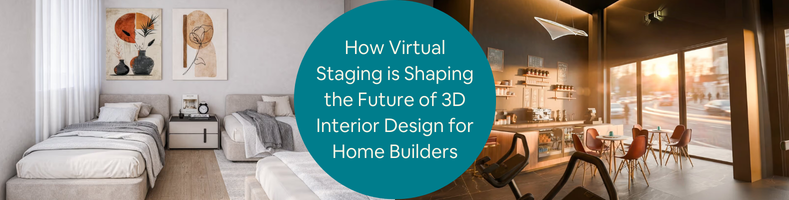
Empty walls are not enough for a person to think that the current space is going to be their future home. Let’s face it, empty rooms can feel cold and, honestly, a little intimidating. A bare living room doesn’t usually inspire people. Instead, it just makes them wonder if a sofa will even fit here or how they will make all the furniture and décor match. That’s where virtual staging comes in. By being able to add furniture and different style options to an empty room using digital software, a once blank space can turn into a welcoming and inviting home. It makes it much easier for someone to walk through the space virtually or in person and maybe even see themselves living there.
Virtual staging services are more than just carefully placing furniture into a photo. It’s a bit of an art form that takes the scale, color, and layout of the entire room into account. Virtual staging gives designers the freedom to try out different styles and see which elements combined can create the best output. With the help of digital software, it is possible to show off different possibilities of how a house can look without using actual heavy furniture and physically moving these pieces from room to room. All of a sudden, a small studio apartment looks brighter, more open, and spacious without having to remove walls or widen hallways. The power of technology can now make any apartment look like a well-designed space.
Virtual staging allows you to visualize the interior decorations, furniture, and fixtures without having to buy anything yet. It is more economical because you can change designs and textures instantly. In fact, a designer can decorate and furnish a home quickly using a computer while spending only a minimum amount. Even better, the designers can play around with different looks according to what the buyer wants and needs. It’s a simpler, smarter, and more convenient way to let the buyers feel the space without having to set foot inside the property.
🚀 Table of contents
The power of virtually staged spaces
Humans are very visual creatures, and potential customers can appreciate and understand a space better if they can see it. They don’t buy because of the specifications or floor plans, but instead, they buy based on the positive feeling they get when they experience a space that has been arranged and decorated with actual things. An empty room is just a cold, four-walled box that forces a buyer to rely a lot on imagination. Instead of seeing a home, they see a bare space with numerous challenges about furniture placement, design themes, or decorations.
Psychological studies have shown that both physical and virtual staged homes make it easier for buyers to imagine living in that space. Through digital technology, the once empty box now becomes a cozy retreat with some soft lighting and a few charming accents that make it very inviting. Designers can flex their creativity and show buyers different design options from a minimalist to Mediterranean theme, really quickly, without changing a single tile onsite. Once a room is staged, everything makes sense. Now, buyers don’t just see square feet but imagine their daily life in that space. Once buyers connect in a way that feels personal, decision-making gets a lot easier.
Lastly, virtual staging is also a better way for architectural design experts to present the different features that make a room or space unique. Based on their needs and preferences, everything can be showcased from the wall and floor finishes, furniture arrangements, lighting choices, and even how ceilings, nooks, and corners can be improved with the right design elements. That’s why virtual staging is very convenient and a great way to make buyers feel at home with what they are seeing.
RELATED: Freelance CAD jobs: Top platforms like Cad Crowd to boost your remote design career
From plain photos to realistic walkthrough experiences
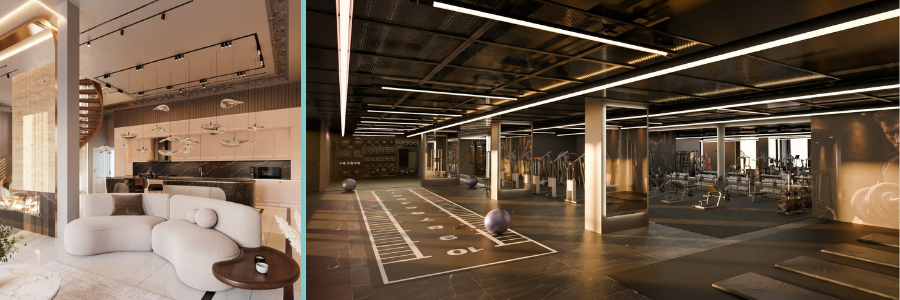
Virtual staging has come a long way from just photoshopping a couch into a corner. The technology has evolved and given way to this current era of 3D immersive tours. From looking at photo albums or catalogues of the spaces, prospective buyers can now digitally walk through a house, explore different rooms, check out the bathrooms, see how sunlight enters the kitchen through the windows, and get a realistic sense of scale without having to go to a showroom or visit the actual project site.
This shift opens new doors for homes that are designed and presented. Designers have the power to think beyond the look of a space in one still image. They can now focus on how it feels from every angle. Details matter even more. Materials, lighting, and scale all work together to make the experience believable and inviting.
For both architectural design firms and builders, virtual staging is a whole new playground. They can experiment on floor layouts, wall and floor finishes, and make any kind of change without any costs. Want to see if a bold accent wall works? Curious if the dining table should move closer to the window? Any and all of those ideas can be tested in minutes without spending any money on construction or movers. Everyone can make faster and smarter decisions.
Adding wow factor with less cost
Traditional staging can be expensive and time-consuming. In fact, it can even cost thousands per property for contractors with a lot of different properties under their belt. A lot of factors can make physical staging a financial and logistical headache, especially furniture rentals, movers, and even storage. Luckily, virtual staging simplifies all of that.
Different versions and looks can be designed digitally for a particular space, whether a bedroom, living room, kitchen, etc. This can deliver a strong visual effect while saving time and money. Any changes can be made on the spot to specific areas without having to erase everything and start over. Buyers can swap out different looks, designs, and even themes to specific rooms any day of the week, thanks to the power of software. If something doesn’t work, revisions are implemented right away.
Virtual staging also saves time and money without sacrificing variety. Buyers still have a choice to swap between different looks and colors. This allows designers to be flexible and agile, which can benefit them in a very competitive industry.
Helping builders and buyers agree on things
Normal people, outside of construction design experts and similar professionals, cannot read or understand a blueprint. An empty house makes it difficult for buyers to feel like that space is right for them. Virtual staging allows the builder to present their ideas clearly to the buyer, bringing the vision to life in a way that the potential buyer can relate to. Blueprints and empty showrooms are transformed into something relatable and realistic.
Seeing a furnished, realistic version of a home helps buyers understand what they’re getting and what’s possible. It clears up the “What will it actually look like?” confusion and turns the process into one of collaboration.
Virtual staging can also showcase the potential upgrades, such as premium countertops or custom cabinetry. Different furniture layouts and wall finishes can be visualized by the buyer, which also helps them make informed choices without having to guess. In the end, it helps buyers see the full potential of their investment.
Technology as a design partner
At this point in time, technology has now become a designer’s best friend, not their replacement. High-res renderings, AI suggestions for furniture layouts, and other advanced tools that simulate lighting and materials allow designers to create very realistic presentations of the space. It allows designers the freedom to spend more time on the mood and feel of the room and ensure that the emotion and experience are clear to prospective buyers.
The goal of virtual staging software is not to replace designers but to act as a support system that takes care of the repetitive tasks. There is a collaboration between human creativity and AI automation to ensure that the designs are just beautiful but functional and fit the needs of the buyers.
Now, this technology can be easily accessible to anyone, not just to freelance CAD designers, contractors, and even commercial developers. It’s now possible to create professionally-made presentations without having to pay so much. Smaller-scale builders can now use these cloud-based tools to add better visuals to their materials. Virtual staging makes it possible for lesser-known companies to create polished and professional presentations.
Level up all marketing materials
Virtually staged homes actually are more interesting and attractive to look at online than a picture of an empty space. Since most people start searching on their phone, detailed, quality visuals and 3D walkthrough tours have better chances of getting someone’s attention on social media and on listing sites.
The secret is knowing when to stop. What’s important is to highlight the possible looks of a potential home, not bury it with so many elements. Over-staging a room with too much digital furniture can actually make the room feel smaller and more cluttered. Plus, it seems that there wasn’t enough thought or effort put into it, except for putting different things together.
What people want is honesty. The goal is for a buyer to see the posts online and feel excited when they see the walkthrough and other 3D visualization services.
When there is a consistent virtual-stage style and look across all listings, a sense of familiarity and relationship of trust is built with the potential buyer.
RELATED: How virtual staging enhances 3D interior home design for freelancers and firms
Important things to take note of
There are a lot of challenges and considerations to keep in mind when virtually staging a space. First is to avoid over-staging. Do not add too many digital elements like furniture, different kinds of decorations, and lights, because it will make the space feel too cluttered and chaotic. The goal is to maximize the space available with the right mix of things that fit the buyer’s preferences and needs.
Next, be honest and transparent always. Make sure that the digital version of the room is the same size as the actual space when it is constructed. Do not hide any mistakes or issues because this will backfire eventually. Do not mislead buyers because this will break the relationship of trust. Always be ethical and try to show the home’s best version while always being practical and realistic.
Lastly, stay ahead of the competition by keeping up with the latest software and digital technology trends, and motivate the team to always strive to continue learning new skills and techniques that can improve output.
Real success stories from actual projects
There have been plenty of cases where virtual staging didn’t just look good but got results for many real estate teams and contractors. For example, one mid-sized developer decided to skip the furniture rentals for a new block of homes and went entirely virtual. They ended up cutting their marketing costs and selling the properties faster compared to their previous projects.
Virtual staging also saved the day on a historic renovation. Because of the delicate original floors and small, narrow spaces, bringing in heavy physical furniture was too risky for interior design experts. Virtual staging allowed buyers to see exactly how that historic charm could work with a modern lifestyle, all without a single scratch on the floorboards. Buyers appreciated how they were able to visualize the new home while care was shown for the property by preventing any risk or damage.
These aren’t just one-off success stories. Success stories like these show that virtual staging is a serious strategic tool that gives companies an edge. It’s a way to move faster, spend less, and still make spaces look nice while still allowing the buyers to see the vision amidst a very competitive industry.
Moving towards a more 3D future
Virtual staging has improved the way companies present and sell homes to future buyers. The industry keeps on evolving, upgrading, and innovating technology that provides total immersion. Even better than a realistic 3D render, VR (Virtual Reality) or AR (Augmented Reality) services allow buyers to really experience a space as if they were a part of the scene in real life.
This kind of interaction does more than just look cool. It also helps the buyer feel more confident. When a buyer can experience walking through their future home, virtually open a cabinet, or move a sofa to see if it fits their vision, the house stops being a project and starts feeling like their very own home.
With technology being more accessible, there is no need for fancy equipment. AR allows buyers to just hold up a phone while standing in an empty room and be able to see virtual furniture pop up right where they’re looking. It lets builders and buyers experiment with colors and layouts anytime, anywhere.
When spaces become more realistic
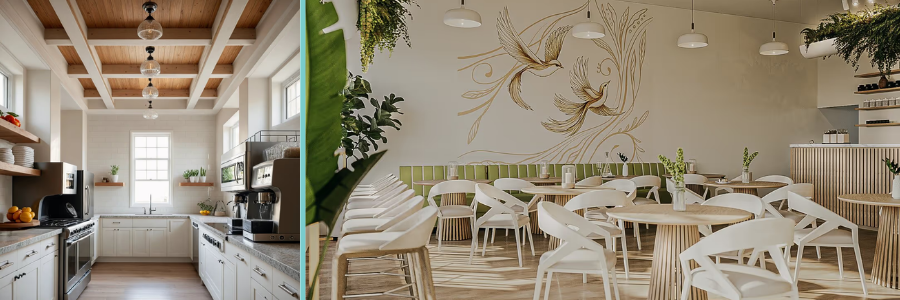
Due to the new techniques in 3D designing, flat and cartoon-looking renders are now considered old techniques. Virtually realistic designs that allow you to feel the texture of the sofa, hardwood, and walls have been the trending 3D design. It’s usually the smallest detail that you don’t usually notice, such as the stainless-steel faucet.
Also, flexibility is a major bonus. Floors can be swapped out immediately. Paint colors and types of finishes can be changed without ever touching a physical sample or going over the budget.
Say goodbye to one-size-fits-all service
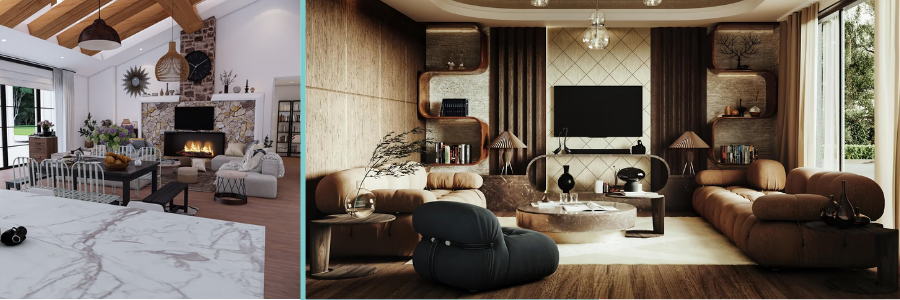
Using a generic design or look during interior design services is no longer relevant or convincing. Homes can be customized to fit the look that the specific buyer is going for. A young professional might even be presented with a minimalist setup made for modern, city living, while a family is presented with a warm, cozy version of that same house, but filled with big storage rooms and areas for the kids to play.
Personalization shows the buyer that how they live matters. When a person sees a space that fits their specific lifestyle, they move one step closer to being a future homeowner. This isn’t just about pretty pictures but about making a direct connection. As AI gets smarter, it’s only going to get better by helping to suggest the perfect layouts or color palettes based on what people actually love. It makes a dream home feel a lot more attainable.
RELATED: Freelancing vs. in-house 3D visualization services: The best choice for companies
Bringing smart homes to life
The next step of virtual staging is about more than just picking out a nice sofa, but how a home actually functions when people live in it. By adding smart home tech right into 3D tours, a simple walkthrough becomes an interactive experience. It’s one thing to see a photo of a light fixture, but it’s another to virtually dim the lights or turn them on and off using an app on their phone just to see how the room feels.
This approach is a big help for anyone who finds the idea of high-tech smart homes to be scary. Instead of wondering how automated shades close when it’s sunny or how a voice-command system works, people can just try it out for themselves. When the mystery is gone, people will start to think that technology is a convenient add-on.
Combining style with real-world functions will make buyers stop and think of how these smart functions can be added into their daily routine, with lots of possibilities that can help improve their lives through the help of 3D interior rendering services and other visualization tasks.
How digital design promotes sustainability
These days, sustainability is so much more than just a trend, but something people are actually looking for when they buy or build a home. Virtual staging is good for the environment. Every room styled digitally means one less delivery truck on the road and one less set of fast furniture being manufactured. It’s a simple, low-impact way to minimize extra waste and emissions.
Digital tools not only save but also show off. Designers can easily highlight eco-friendly features like appliances that are energy-efficient or furniture and decorations that were reused and upcycled. The home can become both a green home and a stylishly designed one, too.
Plus, testing different layouts and materials digitally can avoid the waste of actual construction. This ensures that only the best, most sustainable ideas actually get built, which can lead to better environmental responsibility and accountability in the long run.
Designing with clients, not just for them
Virtual staging is fundamentally changing how builders, 3D design experts, and clients talk and work with one another. Thanks to interactive 3D platforms, a client can jump into the design process from anywhere in the world. They aren’t just looking at a finished product and approving from afar, but they are part of the virtual process. The buyers can suggest furniture placements, types of stains for wooden floors, or new color combinations. This may make them feel seen and heard, which prevents miscommunication and helps build a strong trust relationship.
The client gets to experience the home as it’s actually going to look and can advise the design team to make changes early. When builders, marketers, and contractors all look at the same staged model, they stay on the same page, which cuts down on costly mistakes and keeps the project moving smoothly.
Marketing that makes an impact on people
The perks of virtual staging go way beyond just making a room look nice, but provide a massive boost for all marketing efforts. High-quality digital images and immersive tours are exactly the kind of content people love to share on social media. These days, most home searches begin on a phone screen, which means visuals need to work hard to catch the attention of buyers.
Interactive tours work best in this situation because when sent to emails, shown on websites, or posted on social media, people have something to explore and not just look at in passing. Buyers have more time to go over things and imagine themselves in that room. This kind of engagement can hopefully translate to more increases and faster sales. Virtual staging also helps branding because a consistent look and feel will be remembered by the buyer.
Earning buyers’ trust
Buyers and contractors never trust the visual staging right away. Usually, they’re worried that the digital version will look fake or is hiding something. While all those concerns are valid, the only way to break down these barriers really comes down to being honest and transparent.
The goal is to make things look beautiful but with a sense of reality. Therefore, all the dimensions must be accurate and can easily be achieved in the real world. When people see how these tools actually work and are allowed to experience a 3D tour, play with the lighting design services, and other features, the tech stops feeling like a gimmick to them, and they start feeling like this is indeed a helpful tool that they can use to see their future home.
RELATED: 5 reasons freelancing studios are the future of 3D visualization services
Seeing through the designers’ eyes
For designers, virtual staging is just like a double-edged sword. On one hand, designers and builders can experiment with styles and materials that would be almost impossible to execute in a real-life space. Meanwhile, a whole new set of technical skills is required, including how to model with 3D and how to carefully use lighting techniques in a digital landscape. Designers are also constantly reminded to upskill and attend technical workshops to improve their digital software skills.
The real challenge is to use common sense while coming up with creative ideas. A room might look stunning in a render, but it still has to be functional and realistic. Today’s designers are essentially bridging the gap between art and tech. Although one main benefit is that designers can work from anywhere. A contractor in one city can now hire a top-tier designer halfway across the country or abroad, which has opened up opportunities for companies to choose from top international talent and let them bring fresh outlooks to local projects.
Virtual staging now becomes the new standard
Virtual staging used to be something reserved for high-end luxury listings, but that’s changing fast. Because it’s so cost-effective, it’s becoming a part of everyone’s to-do list, from mid-level developers to low-cost apartments meant for entry-level budgets. Everybody is now on equal ground, and companies don’t need to have big budgets in order to have top-level professional presentations.
In the very near future, if not right now, buyers are going to expect most, if not all, projects to use virtual staging. They want to see a home’s potential look and feel before they even visit the office, showroom, or site. For contractors, developers, and even agents, digital staging isn’t just an optional extra, service, or bonus. It’s an essential way to stay relevant and competitive in the 3D visualizer services industry. If the company isn’t offering an immersive, personalized experience, other firms will swoop in on potential buyers with their virtual capabilities.
What’s in store for the future
The next chapter for virtual staging is going to be very exciting. Soon, AI will be able to create fully set-up rooms with just a few instructions. For builders and virtual reality design experts, this means being able to create interiors that fit perfectly with a specific buyer’s tastes and needs.
AR and VR will also become a much more seamless part of the experience. More than looking at a space, people will be able to interact with it by changing finishes or testing new furniture layouts right then and there. The whole journey of choosing and buying a home will be more personalized and more fun.
Sustainability will still be an important part of the conversation. With virtual staging being digital, it is naturally green and environmentally friendly because there is no waste and transport costs from actual, physical furniture. Designers can showcase eco-friendly features without any additional costs and resources.
As these tools get better, they’ll make the entire process from the first meeting to when the client actually moves in easier and less stressful. Virtual staging will change how people connect with potential places and spaces that will eventually become their new home. Buyers can clearly see what they can do with their future.
RELATED: Top design & drafting tasks to outsource for architects and architectural services firms
Bringing it all together
Applying modern techniques and knowledge on how people approach buying houses, virtual staging is the key to flipping that empty room into a lovable home. From simple photos to immersive 3D and AR experiences, virtual staging has completely changed the game.
In a competitive industry, creativity is what’s going to set you apart. Designers who can use these tools effectively are able to do more than just sell an empty space, but an experience where buyers can feel like they are seeing their future home.
If you’re a designer, builder, contractor, or even real estate developer, Cad Crowd offers a wide pool of skilled and knowledgeable freelancers with expertise in 3D interior design, visual staging, and immersive home experiences. These talented professionals can help bring housing projects to life. Connect with us today! Here at Cad Crowd, we’ll help you find the best freelancer for your virtual staging needs. Request a quote today.