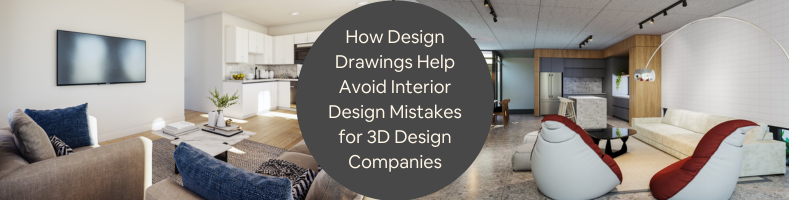
Interior design is no doubt very intricate and complex, as it transforms a concept into a functional yet aesthetically pleasing space. Irrespective of whether the project is residential or commercial, every design project invokes huge planning, coordination, and execution.
For 3D design and drafting companies, where the involvement of technology and creativity is most important, it cannot be overstated how important the role of design drawings is. These are essentially the blueprints that guide the entire design process and help avoid costly mistakes in the final product, thus making sure that it meets aesthetic as well as functional expectations.
Design drawings are what any interior design project is comprised of, bringing a visualized representation of the way a space will look and function once finished. They bridge ideas to eventual output, offering a clear map that designers, clients, and contractors can follow through.
This is the essence of design drawings. Through our experience as an industry-leading provider of freelance interior design services, Cad Crowd can further elaborate on the various ways that design drawings help prevent interior design mistakes from happening in the first place.
🚀 Table of contents
Ideas are clearly transmitted
The most significant benefit of design drawings in interior design is that they can clearly convey ideas. This means that during the early stages of a project, designers must come up with their creative concepts for a project in terms of a client’s ideas. It becomes quite challenging, though, to turn those abstract thoughts into actual objects. Design drawings, 2D or 3D, assist designers in converting their conceptualization into graphical expressions that better convey the concept to the client, contractor, and other people interested in the work.
This is particularly crucial for 3D design firms. Design drawings, especially through 3D rendering services, can help to depict how a space will look in its final form. This visual representation allows clients to give feedback early in the design process, reducing the chances of miscommunication and misunderstandings. By having a clear visual representation, the likelihood of making mistakes due to misinterpretation is significantly lowered.
In addition, the design drawings are more likely to build clients’ confidence in choosing the layout, material, and finishes. For example, through the design, a client is able to envision the colors, textures, and furnishing used in the room. This enables one to reduce the possibility of dissatisfaction after completing the project.
Proper spatial planning
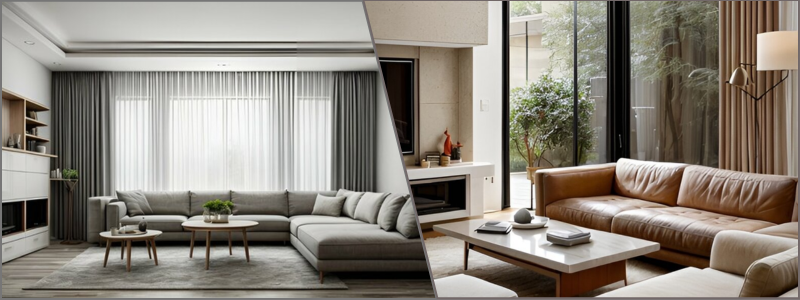
Most interior design projects are complex spatial arrangements that have to be measured and calculated. In the event that there is no proper planning for the spaces, a design easily gets distorted, and its poor furniture arrangement leads to awkward flow or unmet storage spaces. Design drawings such as floor plans and elevation drawings are an essential part of a designer’s spatial layout plans for a room or building.
Spatial planning becomes even more crucial in 3D design. 3D CAD designers will have to take into account factors such as furniture dimensions, circulation patterns, lighting, and spatial proportions. With a detailed floor plan, the designer can get a feel of the space by scale, thus ensuring that everything fits as it should. For instance, a 3D design company would be able to test the placement of furniture and fixtures before actually buying or installing them.
This, by way of design drawings, is one way in which designers recognize potential conflicts ahead. For instance, if furniture obstructs the door or window, a door is obstructed by the wall, or the space between two objects is not sufficient, all this would come out in a design drawing. So these issues are, therefore, resolved in the preliminary design stages that eliminate expensive mistakes from faulty layout decisions.
Accuracy in measurement and scaling
The most accurate to interior design services in the need to have a measure is what this importance stands for. It’s easy for measures and scaling not to go correctly to turn around a seemingly perfect drawing on paper into unusable material. Technical drawing, particularly of designs, brings in the measure that would ensure an element of every design fits somewhere within the space that has been provided. They are especially so for custom pieces requiring specific measurements and details with their dimensions in order.
High-precision measurements are greatly used by 3D design firms to ensure accurate models and visualizations. For instance, if a designer is to fit customized cabinetry or built-in furniture, then the dimensions and scaling of the design have to be very accurate so that there may not be any differences between the virtual design and the construction on-site. With precise design drawings, the designers can make sure that all the parts are scaled correctly and fit together perfectly.
Precise measurements also avoid problems such as mismatched doors and windows or badly proportioned furniture. Inaccurate scaling may result in uncomfortable and inefficient spaces, which would require costly changes or even full redesigns. Design drawings are the basis for accurate scaling and, therefore, reduce the likelihood of such mistakes.
Coordination among teams
While bigger interior design projects often involve multiple teams that must come together to realize the design, it includes architects, interior designers, contractors, and electricians, among others. All of them have different tasks that need to be carried out, but they have to coordinate well with one another so that the project will go on as smoothly as possible. Design drawings serve as a common language when coordinating the teams.
For 3D design companies, accuracy and detailed drawings are essential if technology is to occupy the center-stage position in designing. For instance, 3D designers could use these to create accurate 3D models replicating the plans of the architectures. Contractors, too, can use such drawings to work in tandem so that construction lines up with the designer’s vision.
This coordination prevents such mistakes as an incorrect placement of an outlet, a switch, or a light fixture. It ensures that design elements are executed in accordance with specified plans. The absence of proper and detailed design drawings can result in teams assuming or missing critical details, which may lead to mistakes that might derail the project.
RELATED: Architectural construction drawings and how companies apply them in their projects
Cost and budget control
Most interior design projects are very expensive. In most cases, budgets are a significant part of the challenge in handling projects. The designs and drawings ensure that the project will not deviate from the financial path. In such designs, the materials, finishes, and labor can be mentioned, thus making it a plan of the project. Cost estimates could be made using detailed plans.
This is particularly very valuable to architectural design companies, especially when they are working on large-scale projects where many variables are at play. Detailed design drawings allow designers and clients to evaluate the cost implications of different design choices.
For example, changing the materials used for flooring, wall finishes, or furniture can have very significant cost implications. Design drawings enable designers to explore these changes digitally before committing to them in the physical space, thus avoiding unexpected expenses.
Design drawings also allow clients to be more discerning with their money allocation. The most expensive things about the design may be found early on before actual work, thereby saving time and money later from expensive change orders.
Testing functional and aesthetic elements
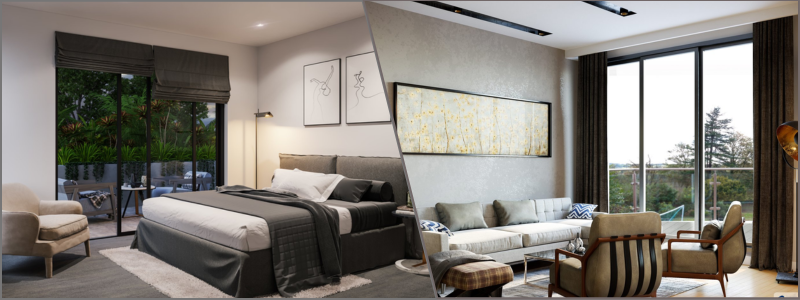
A crucial element of design drawing in the testing of a design’s functionality and aesthetic aspect is to play around with the layout, color effects, lighting, and furniture settings. Using a 3D design, for example, is about testing what layout and colors, lighting, and furniture could do within that space, in terms of which elements work as they should in that space.
As an example, a 3D furniture design rendering service may need to try out whether furniture placement would allow enough pedestrian traffic in a commercial space or whether the lighting design creates the proper atmosphere in that environment. In residential settings, testing the flow between rooms or the relationship between furniture and architecture is vital for the comfort and harmony of the general interior.
By testing these components through design drawings, mistakes that might only show up during construction can be corrected early. In this way, time and money are saved, and the design can be functional and pleasing to the eyes from the beginning.
RELATED: 7 ways 3D interior designer services are used to maximize living and working spaces
Compliance with building codes and regulations
Building codes and regulations are essential elements of interior design, especially in commercial environments. The regulation sets up guidelines on different areas of design, such as accessibility, fire safety, and structural integrity. The drawings will play a significant role in ensuring that a project is up to the standard, avoiding costly mistakes and lawsuits.
For 3D interior rendering companies, the integration of building codes and regulations is fundamental to the process of design. A spot-on and detailed drawing ensures that a designer checks on any legal requirement of the plan. Whether door width meets the standard of accessibility or ensures that there is no conflict with fire safety, these drawings are helpful in preventing being non-compliant.
Sometimes, a failure to abide by building codes may attract penalties or redesign at a cost. With the scrutiny and validation through design drawings, 3D design companies may avoid such a mistake and be sure of an easy and lawfully sound project.
Conclusion
In summary, design drawings are essential to 3D design companies because they help in the prevention of interior design errors in several ways. Design drawings ensure that there is clear communication of ideas clarity, proper planning in space, correctness of measurements, coordination, and cost control toward a perfect design process. In addition to this, design drawings allow designers to test functional and aesthetic elements and meet building codes and regulations.
RELATED: What are 3D interior design costs, modeling pricing, and rendering rates for buildings?
How Cad Crowd can help
This means that with more time and effort invested into detailed and accurate design drawings, 3D design companies reduce the chances of mistakes, save costs, and increase the quality of the final projects. Ultimately, these drawings form the basis of making spaces functional yet aesthetically pleasing, and therefore meeting the expectations of the clients and more.
Cad Crowd has worked with the top design companies for years to find the best interior designers for many projects, from interior design to product design.
Contact Cad Crowd today and let us help you with your next interior design projects.