
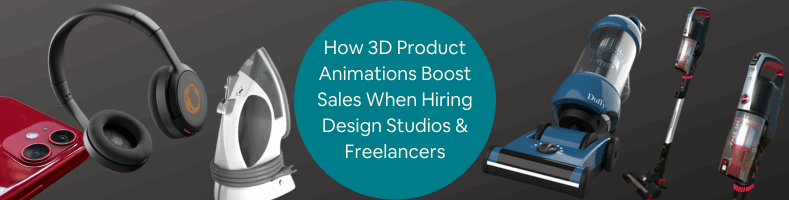
Why you need 3D animations to market products for your company
Today’s post explores 3D product animations and how they boost sales when hiring design studios and freelancers. Do you know that the IKEA catalog is the most printed publication in the world today, even more than the Bible? Do you also know that most of the images in the catalog (about 75% of them) are 3D renderings instead of photographs? This allows for a major cost-saving because IKEA doesn’t have to ship prototypes all around the world for photo shoots. It’s the same story on the website because otherwise, the company would again spend a fortune getting the right product image every single time.
IKEA’s affairs with computer-generated visualization have always been the go-to reference for making a case for 3D renderings as effective marketing materials. Your company might not be as big as IKEA, perhaps you don’t even sell furniture and homeware, but you can follow their approach to catalog creation and do better using animated–instead of static–product renderings.
3D product animations are the rage in the marketing business nowadays, especially as more people get their exposure to advertisements through websites and apps rather than print materials. Prices for 3D animated rendering services are getting more competitive as well. You can hire freelance 3D modelers and render artists from Cad Crowd, the leading agency with over thousands of experts you can choose from to create professional-quality product animations at an affordable rate.
RELATED: Top Reasons for Using 3D Rendering in the 3D Animation Process
Animated renderings
3D renderings, both static and animated, are meant to be as photorealistic as possible. Every object starts as a 3D model, arranged to a certain position to resemble a photography composition, fixed with lighting and shadow configuration, and then rendered to generate an image. Post-processing treatment gives subtle refinements of colors and contrast for a photorealism effect. All those works are for one static rendering. Since an animated rendering is basically a series of multiple static ones displayed in rapid succession, it takes a lot more time and effort to produce even a short animation/video.
In the old days, a 12 FPS (frames per second) animation was considered pretty smooth for most purposes. A 12 FPS animation means that for the entire duration of the video, each second contains 12 individual drawings displayed in successive order. It’s quick, but modern screens easily handle higher frame rates to deliver smoother motion up to 30 and 60 FPS. As for the resolution, a Full HD animation is acceptable for modern phones or laptops, but 2K and 4K are preferable for larger screen sizes.
Unlike static images, animated renderings add depth and motion, making them a compelling option for product presentation purposes. If a static rendering of a product might be likened to a movie poster, then an animated visualization of the same product is an extended trailer; the latter offers a better look at the product in question and reveals much more about what the audience can expect. The technology used to create 3D animated renderings has come a long way in sophistication over the years.
We’re now spoiled with a dizzying array of advanced software packages like AutoCAD, CATIA, Cinema 4D, Rhinoceros 3D, SolidWorks, the web-based Clara.io, and the open-source Blender, to name a few. Product animations used to be rudimentary wireframes or pixelated 3D models at best, but in today’s cutting-edge era, product animations are so realistic that they can mimic actual objects with great accuracy.
RELATED: Why You Should Hire a 3D Walkthrough Animation Service for Your Architectural Project
Furthermore, 3D animations can actually deliver a presentation that’s otherwise near impossible to create using conventional photographs and videos. For example, exploded view animations where you see the inner mechanical parts of complex products such as gearboxes and car engines, smartphones, digital cameras, drones, and so forth. Professional filmmakers can probably produce the same things with some video trickery, but it would likely be more laborious and costly. Why would anyone do that if there’s a more affordable option to achieve the same thing?
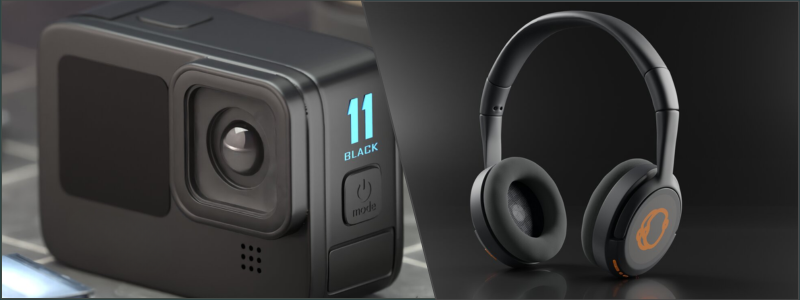
Product animations for marketing
Among the key components in marketing material are visual appeal and storytelling. For the sake of argument, you can simply use photographs printed in magazines, flyers, and newspapers, and attach them with a short text to give the pictures a backstory. This method worked well in the past and is still widely used today. The fact that marketers and companies worldwide keep turning to this old-fashioned idea suggests that it’s effective. Billboards are still everywhere on the roadsides, proving that visual appeal plays a major role in marketing.
But just because marketers use print media doesn’t mean it’s the only thing they have at their disposal. Print media might have been the ultimate choice in the old days, but not anymore. Companies put ads in magazines as a way to supplement their main marketing channels and format: the Internet, with animated renderings. Modern consumers are bombarded with information on a daily basis, making it more challenging for any product or brand to cut through the noise. People have what’s known as “information overload” due to constant exposure to social media and news feeds delivered right to their smartphones. They see plenty of colorful pictures attached with short captions every hour of the day.
Many of them are probably product advertisements of some sort. This is the noise you need to cut through. And what better way of doing it than using the definitely more eye-catching 3D animations?Static renderings are pleasing to the eye–there’s no doubt about that. A lot of ads for products like cars, furniture pieces, homeware, fashion, electronics, and even foods and beverages are static renderings. However, the main idea behind a product advertisement is to immediately catch the audience’s attention, retain the engagement, stimulate the desire to have it, and finally trigger the buying decision.
If static renderings are the current standard, naturally, you want to bring your ads game a notch higher and be the one to stand out from the crowd. As far as storytelling and visual appeal are concerned, no static renderings will ever beat their 3D animated counterparts, and this is where an experienced 3D product rendering design firm can help. Engaging narratives and vivid imagery are delivered simultaneously, luring the audience to (somehow) involuntarily give the attention they deserve. 3D animation conveys a message effectively to let the audience see and understand the product better; they don’t have to guess what the product is or what it can do.
RELATED: FAQs to Ask a 3D Animation Studio Before Hiring 3D Animation Services for Better Projects
All they have to do is watch and enjoy. We say “enjoy” because you have the freedom to make the animation as entertaining and interesting as possible. It might be informative, hilarious, sarcastic, or all of those in one package, depending on the storytelling. This ability to present a product in a dynamic fashion makes it easier for marketers to leave a long-lasting impression on the audience. Memorable ads open the door to creating a strong brand identity.
Applications of 3D animated renderings
A 3D product animation is essentially a video created by a 3D animation expert, either long or short, depending on how detailed you want it to be. No matter the duration, video is a versatile format to deliver information, including for marketing purposes. The most common applications are as follows.
Product demonstration
Say you’re a marketer tasked with creating an advertisement for an espresso machine. Your first idea is to take a photograph of the product or create a static rendering of the object and then print it on a flyer or magazine. It wouldn’t be a farfetched idea to plan for a TV ad featuring a person making a cup of espresso using the machine. Everything is good, except that it’s all been done before. At this point, you’re in need of something unique.
Why not hire a 3D animation company to create a 3D product animation using a cross-section view of the machine in action? This way, you get the chance to showcase the inner mechanism of the product as it works to produce a cup of coffee. Of course, you don’t have to go to great lengths to give information about possible proprietary technologies or make a how-to guide. Only include the highlights, such as new features, ease-of-use, simple maintenance, build quality, and performance. The most important thing is that the audience understands what it is and what sets it apart from similar products in the market.
RELATED: A Guide to 3D Virtual Reality Animation Rendering Services for Companies and Firms
Virtual tours
If you find the need to do virtual tours, where potential clients can see and experience the product without physical visits, chances are you’re talking about a substantially large product. It might be a house, a venue, a museum, a hotel, and so forth. As the name suggests, a virtual tour should allow the audience to experience the product through auditory and visual stimulation. Take, for example, a virtual tour of a museum. For a virtual tour to be comprehensive enough, the 3D architectural animation firm creates an animation that depicts the activities a typical person does in the facility.
Move the camera slowly forward, passing the exhibits, and highlight some of the popular objects on display. Avoid having jump cuts in a virtual tour as they feel forced and unnatural. Don’t forget to use the back sound to amplify the atmosphere. The same thing applies to virtual tours of a house, a hotel, or other properties. Virtual tours are increasingly popular among real estate marketers and agencies. More people today get their latest information on the local real estate market from the Internet.
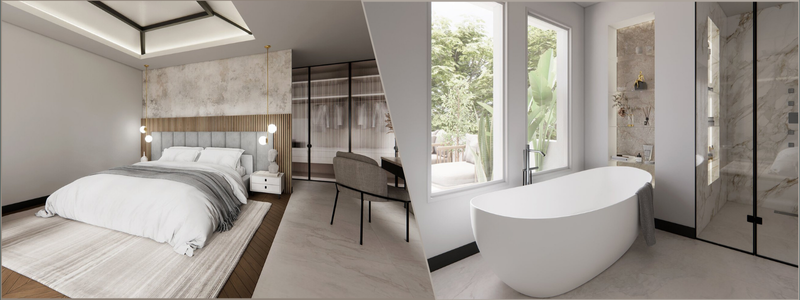
They look at the available features and browse through the list of highlights before deciding to set an appointment with the realtor for a visit. Potential buyers rarely do physical visits if they don’t like what they see on the listings to begin with. A 3D animation from a 3D architectural visualization designer, formatted as a virtual house tour, is not cheap, so you might want to reserve it for a high-dollar property as well.
Brand storytelling
As mentioned earlier, telling a story is important in marketing. Brand storytelling is more than just about advertising a product. It is also about fostering a relationship between your business (the company and the brand) and the clients. Telling dry facts and listing your best-selling products’ features don’t exactly constitute a story, do they? Your clients want a more compelling narrative–a story loaded with messages about the values the brand represents, the purposes it fills, the responsibilities it shares with the clients, and the goals it wants to achieve.
Almost the entire point of brand storytelling, apart from the subtle marketing intent, is to humanize your brand. The storytelling is meant to demonstrate that the business has a human side. A business has to make a profit, but it does that while fostering connections with the clients at large. To build the case for it, the storytelling usually puts forward the idea of empathy. In other words, there needs to be a parallel between the brand’s own identity and the values clients can appreciate. You want to create emotional bonds with the audience, carving the path to building trust, a sense of shared purpose, and eventually brand loyalty.
Anybody can argue that you don’t have to use 3D animation for brand storytelling – a traditional film will do. But then again, it’s like saying static renderings aren’t necessary because photographs will do. We’re not asking you to abandon videography and never look back; videography still has its place in marketing. That said, if there’s a better option, you should be inclined to make the most of it. Animated renderings come with the advantage of near infinite possibilities. So long as you have the budget for it, the sky’s the limit, and if you also have the right 3D design professionals to get the job done, you might even be able to produce an animation of blockbuster material.
RELATED: How 3D Animation Helps Deliver Immersive Marketing Campaigns & Company Services
Suppose your brand focuses on canned beverage products. In your brand storytelling, of course, it is possible to use an actor or someone from the company to talk at length about the idea behind the product, the history, the manufacturing process, quality control, etc. Or, you can take the Coca-Cola ‘Happiness Factory” route and utilize 3D animation to picture the hard work, the fun, the joy, and the dedication put into every bottle of the drink.
Another great inspiration is the Honda “Cog” commercial from the early 2000s, demonstrating the precision, the reliability, and the care to build a car; it became so popular that it got its own Wikipedia page. It’s an “inspiration” rather than an “example” only because the Cog used very little CGI (that’s one of the reasons it cost £1m back then). Today, with heavy CGI utilization from 3D rendering experts, you won’t need even close to that amount to produce great storytelling wrapped in a comparable visual quality.
Social media campaign
In the traditional sense of the term, social media refers to online platforms where users can socialize with each other regardless of distance and location via Internet-based communication methods. The definition has shifted in a big way. While conventional usage as a networking tool remains in place, social media have become a major marketing channel and are multimedia-heavy. Thanks to the user-friendly interface, mobile app versions that basically encourage people to stay connected all the time, and mostly free access, social media are the ideal platforms to launch a full-blown marketing campaign and spread the word about your products and brands.
Even on supposedly text-based platforms like Twitter, pictures and videos are dominating the feed. Now, with Instagram, YouTube, and, more recently, TikTok, where billions of users are exposed to an endless stream of product marketing, you have a much better chance of gaining traction using 3D product animation. Everybody is posting and watching videos on their phones; if they like what they see, they’re more likely to share the content with their friends and followers.
Visual appeal determines shareability, and greater shareability means a higher potential for lead acquisition. In terms of visual appeal, you’ll be hard-pressed to find anything more engaging and eye-catching than a well-made 3D product animation. An exploded view animation of a pair of earbuds attracts more viewers than a static rendering of them; an animated video of a toy car is more exciting than a photograph of it; a stop-motion of espresso workflow has higher shareability than a traditional video of a person making a cup of coffee.
RELATED: How to Use 3D Architectural Design as Visual Storytelling
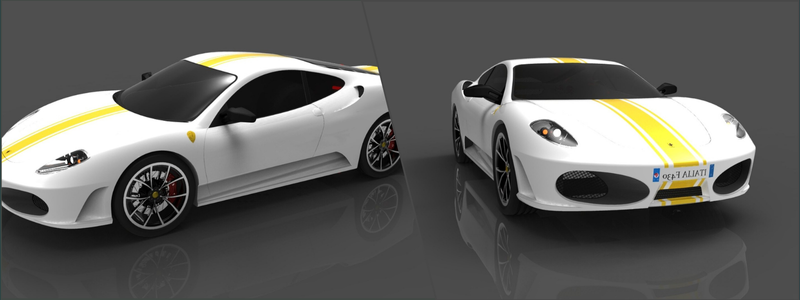
Main reasons to use 3D product animations
It wouldn’t be entirely correct to say that 3D animated rendering is the be-all and end-all for product marketing. Other formats, such as traditional photography and videography, still have their merits, but there are some very good reasons why 3D animation is the outright better choice.
Easy to showcase details
Every advertisement is meant to be informative and contain enough details to intrigue the audience. Assuming the details have anything to do with a product’s raw materials, manufacturing process, internal mechanism, or other highlights that can’t possibly be shown without taking it apart, 3D animation makes it easier to cover those details and still look playful. If the product has a unique feature that requires some technical knowledge to understand, an animated video can act as an explainer to help your less technical buyers get a grasp of it through a nice graphical presentation.
Cost-effective
Most product design professionals and small video production companies offer Full HD (1920 x 1080p) resolution in either 24 FPS or 30 FPS as standard. The video is typically priced by duration; a minute of 3D product animation may cost anywhere between $5,000 (from a small studio) and $25,000 (a professional animation company). If done properly, a minute of animated rendering should be enough to cover a lot of details. Even at the higher end of the spectrum, it’s still relatively affordable compared to traditional filming. It’s cost-effective because you don’t have to bother with using a lot of expensive cameras and editing equipment. You don’t even need an entire filing crew; a small team of modelers and render artists will do.
Flexibility
Because 3D animation is CGI, every object you see on the screen can be modified, altered, removed, and replaced using specialized software. When the budget is tight, it’s even possible to repurpose an old animation for a new marketing campaign without spending too much time and resources. Still remember the IKEA example mentioned earlier? Reuse and repurpose are big cost-saving elements.
RELATED: What is the Important Difference Between Motion Graphics Design and 3D Animation Services Design?
Conclusion
3D animated renderings have improved how companies and brands communicate their products to customers. More businesses all around the world are beginning to visualize how 3D animation can be a cost-effective and flexible alternative to traditional videography, paving the way to new exciting innovations in the technology and creating a competitive market on its own. However, this also introduced a concern about the possibility that many untrained render artists will take advantage of the development and trick unsuspecting clients into spending money on poor-quality animations.
How Cad Crowd Can Help?
Here at Cad Crowd, you’ll never worry about receiving a substandard result or a low standard of quality of work. With over 94,000 experts to choose from who have undergone a pre-screening process, you’re ensured that only qualified professionals with proven track records can offer their services. Don’t hesitate to give us a call, now!



