
As one undertakes a commercial building project, the secret to making a vision a reality is always in the details. To make it precise, it is in the building plans. Such technical drawings are vital for bringing design concepts to real structures, acting as the guide for contractors, engineers, and builders to adhere to during the duration of the project.
Industry leaders such as Cad Crowd are the top places where you can hire professionals in commercial construction drawings. Although commercial construction drawings usually take place in collaboration between architects and CAD services firms, it is important to know the different kinds of commercial construction drawings that are being undertaken.
Today’s blog post seeks to examine eight various categories of drawings that are the foundation of commercial building, describing their function and how they help in the construction process.

RELATED: 5 reasons freelancing studios are the future of 3D visualization services
Site plans
Site plans are essential documents for commercial construction projects, being comprehensive maps that show how a planned building is located within its piece of land.
They give a bird’s eye perspective of the project site, indicating the location and orientation of the building in relation to property lines, neighboring lots, roads, and natural or constructed features like trees, sidewalks, and car parks.
These plans usually contain essential information like the building footprint, entrances, driveways, and layout of utility connections for water, sewerage, gas, and electricity. Topography contours and suggested landscaping are also typically included, providing information regarding elevation differences and the design of green areas by architectural design firms.
Major features:
- Boundaries and lines of property
- Orientation and building footprint
- Parking lots, driveways, and entry points
- Utility services (electricity, water, sewage, etc.)
- Landscaping and topography details
Why they’re needed: Site plans are needed not only to envision the project but also to win regulatory approval. They are typically mandated by municipalities to ensure that the design is compliant with zoning regulations, setbacks, environmental controls, and municipal building codes prior to the initiation of construction.
Floor plans
Floor plans are probably the most widely known form of construction drawing. These 2D drawings represent the internal organization of a building, with walls, doors, windows, rooms, and their precise measurements. In commercial development, floor plans play a two-fold role: they instruct construction crews how the space is physically constructed, and they convey the design intent to stakeholders such as property owners or tenants.
Important features:
- Room arrangement and measurements
- Door and window locations
- Circulation routes, such as corridors and stairs
- Furniture, fixtures, and equipment (occasionally to detail)
- Emergency exits and accessibility paths
Why they’re important: 3D floor plan design services guarantee the internal layout of the building to be not just functional and productive but also meeting safety code compliance. They make it easy to give contractors an exact blueprint during construction, keeping errors to a minimum and to the right configuration with the architects’ vision.
RELATED: Top design & drafting tasks to outsource for architects and architectural services firms
Elevation drawings
Elevation drawings offer a precise visual image of a building’s exterior, including the way that it looks from every side—front, back, and both sides. Elevation drawings are essential in portraying the architectural look, material finishes, window and door positions, and general proportions of the building.
By presenting a clear image of the façade, elevation drawings assist architects, clients, and builders in comprehending the visual attractiveness and functional design. They are necessary for obtaining permits, having the design meet building codes and zoning laws, and being able to present the vision to stakeholders, construction groups, and planning commissions throughout the life of the project.
Key elements:
- Exterior views of all four sides of the building
- Each facade material specification (brick, glass, metal, etc.)
- Different sections’ height measurements and levels
- Details such as balconies, roofing, and landscaping
Why they’re important: Elevation drawings convey the general appearance and style of a building, enabling architects and clients to make final aesthetic decisions. They also give the architectural design experts essential information regarding construction details such as window locations and wall materials, enabling structural elements to be constructed to specifications.
Cross-section drawings
Cross-section diagrams illustrate the building in a “cut-away” format as if sliced down the middle, revealing the interior structure, floors, walls, and other components. These diagrams assist in defining the vertical relationships between the floors and the depth of multiple architectural components. Section diagrams are particularly important for comprehending the construction process, materials, and structural components like columns and beams.
Key elements:
- Vertical relationships among levels (e.g., floor-to-ceiling heights)
- Interior structural elements such as columns, joists, and beams
- Position of doors, windows, and walls in the building’s structure
- Materials employed in each portion (e.g., concrete, steel, wood)
Why they’re important: Section drawings offer insight into the building’s internal organization, including how various materials and structures will come together to support the overall design. They help contractors visualize the depth and scale of spaces, aiding in accurate execution and preventing errors during construction.
Detail drawings
Whereas floor plans and elevations offer general outlines, detail drawings focus on the particulars of the building construction project, with highly detailed information presented. They may vary from details on doors and windows to intricate structural intersections. Architects and interior design experts utilize detailed drawings to convey material specifics, construction methods, and connections that are essential to the building’s integrity.
Key elements:
- Enlarged window, door, or staircase details
- Structural connections between elements (e.g., beams to columns)
- Finishes and materials for certain components
- Certain joinery, fasteners, or fixtures needed
Why they’re important: Detail drawings avoid confusion or errors in the more complex parts of construction. They serve as a blueprint for the contractors to work with, and each component is constructed with the utmost precision and according to the architect’s plan.
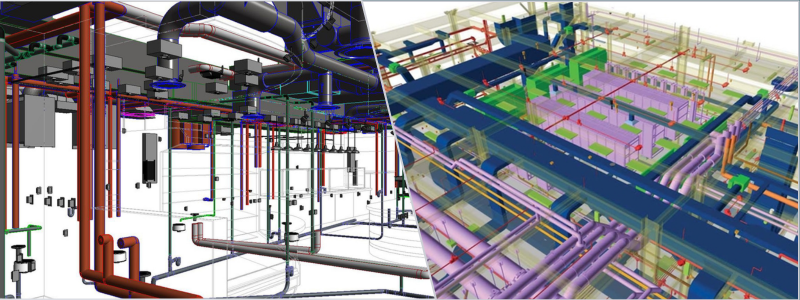
Mechanical, electrical, and plumbing (MEP) drawings
MEP drawings are vital documents that concentrate on the fundamental systems of the building—mechanical, electrical, and plumbing. MEP drawing services prioritize ensuring that the systems operate harmoniously and meet safety requirements. MEP drawings are generally drawn by professionals in those respective fields and need to be carefully coordinated with architectural drawings.
Important features:
- Organization of HVAC systems (heating, ventilation, and air conditioning)
- Electricity wiring, outlets, and circuit layouts
- Plumbing layouts, such as water supply and waste systems
- Lighting, power outlet, switch, and equipment locations
Why they’re important: MEP drawings are important for coordinating the intricate web of systems that bring a building to life. Mistakes in MEP planning can result in expensive revisions and delays, so it is important that these drawings be accurate and detailed.
Structural drawings
Key elements:
- Foundation design (slab, footing, or pile system)
- Structural framing (beams, columns, and trusses)
- Load-bearing walls and floor systems
- Reinforcement details, including steel and concrete specifications
Why they’re important: Structural drawings are critical for guaranteeing the building’s stability and safety. They supply contractors with the details required to build solid and durable foundations, framing, and load-carrying elements, while also assisting in achieving engineering codes and safety standards compliance.
As-built drawings
As-built drawings are created after the construction is finished, recording exactly how the building was constructed, including any adjustments or variations made from the original plans. As-built drawings services are crucial for future maintenance, repairs, and renovations since they contain an accurate record of the completed building.
Key elements:
- Final layouts and dimensions, showing any adjustments made during construction
- Position of systems, like plumbing and electrical, as they were actually installed
- Notes on material choices and methods that may differ from the original plans
Why they’re important: As-built drawings serve as the definitive guide to a building’s construction and can be critical for future work. They help maintenance teams understand the original design and any modifications made, making renovations or repairs smoother and more efficient.
RELATED: What are as-built drawings costs & drafting rates at architecture companies?
Wrapping it up
Every form of commercial construction drawing is a crucial piece in the successful completion of a building. Floor plans and elevation drawings give the overall picture, but site plans and structural details make the project fit within its surroundings and remain stable. MEP, cross-sections, and as-built drawings concentrate on the inner functionality and final fitments of the structure, so teams can work in harmony toward a common goal.
With this knowledge of the function of these different types of drawings, both architects and CAD design service firms can work together more harmoniously, ensuring that each aspect is included and each phase of the building process is carried out perfectly. After all, these drawings aren’t just a dream—they bring it to life.
Cad Crowd is here to help
Are you ready to get your hands on professionally-created commercial construction drawings? Cad Crowd is a site that brings clients together with the best architects and CAD services firms that can develop these drawings to make your ideas come true. Reach out to us now and ask for a quote for free!