
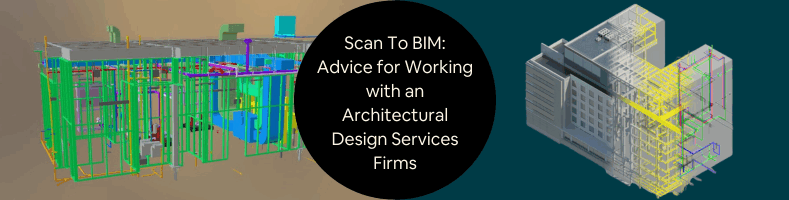
Building Information Modeling, or BIM, revolutionized the construction and building industry by enhancing the design process as well as better management of the projects. Scan to BIM, a specific application of architectural BIM services, takes the process one notch higher by integrating 3D laser scanning and building information models to provide accurate digital models of existing facilities.
This solution is most useful to architects, engineers, and builders involved in renovation or retrofitting work because it will enable correct as-built models and improve project delivery. For architectural design service companies from Cad Crowd’s leading industry platform, adding a scan to BIM to their workflow can be useful, but it comes with its own set of issues. Here is a step-by-step guide on how to work efficiently with architectural design services companies utilizing Scan to BIM technology.
🚀 Table of contents
- Understanding the scan to BIM technology
- Why architectural firms should embrace scan to BIM
- Key considerations when working with architectural firms using scan to BIM
- Understand their approach to handling data
- Communication and collaboration
- Ensure compatibility with your goals
- Manage the project timeline
- Budget and cost estimates
- Transforming architectural design through precision technology
- Take action: Partner with scan to BIM experts today
Understanding the scan to BIM technology
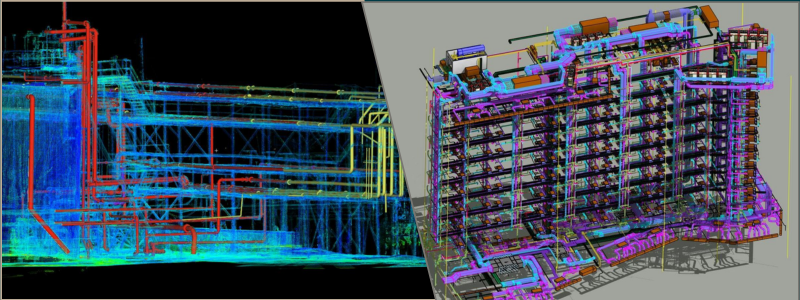
Scan to BIM (Building Information Modeling) represents a revolutionary process that seamlessly bridges the gap between physical structures and digital design workflows. The technology begins with advanced 3D laser scanning, which captures high-resolution, millimeter-accurate scans of existing buildings or construction sites. This comprehensive scanning process collects millions of precise data points, creating what professionals call a “point cloud”—an incredibly detailed digital representation of the physical space.
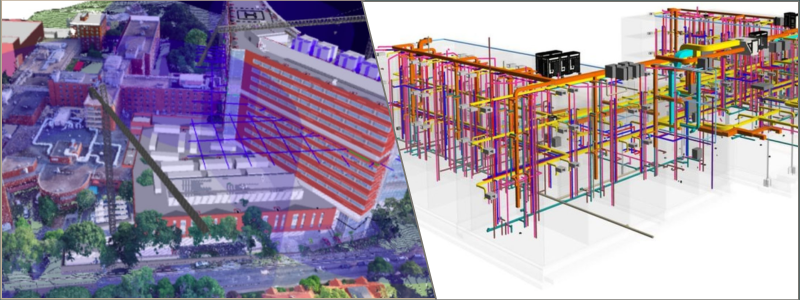
These point clouds serve as the foundation for generating accurate 3D modeling design services that integrate directly into BIM platforms used by architects, engineers, and construction professionals. The result is a data-rich digital twin that reflects real-world conditions with unprecedented precision.
Primary applications and advantages: Scan to BIM proves especially valuable for retrofit, renovation, and restoration projects where existing building conditions must be captured with absolute accuracy. Traditional measurement methods often prove slow, inaccurate, and labor-intensive, particularly in complex or inaccessible areas. Scan to BIM technology eliminates measurement guesswork by generating highly detailed models that precisely mirror actual site conditions.
Strategic benefits for design practices: Architectural firms adopting this approach experience significant operational improvements:
- Dramatic reduction in documentation errors and measurement inaccuracies
- Enhanced project planning capabilities and streamlined decision-making processes
- Substantial cost savings through the elimination of expensive rework scenarios
- Improved collaboration across disciplines and construction phases
Whether working with historic structures, large commercial complexes, or constrained urban environments, Scan to BIM ensures all design decisions are grounded in reliable, data-driven models that reflect true building conditions.
RELATED: 3 steps to hiring a reliable architecture firm & freelance services architects
Why architectural firms should embrace scan to BIM
Architecture firms embracing Scan to BIM technology unlock transformative advantages that fundamentally enhance design accuracy and operational efficiency. This innovative approach enables architects to work from highly detailed, data-rich 3D models generated through precise laser scanning of existing structures, eliminating traditional measurement guesswork and dramatically reducing errors from outdated building documentation for architectural design firms.
Enhanced accuracy and efficiency: Scan to BIM virtually eliminates costly on-site rework by providing architects with precise as-built conditions from the project’s inception. Traditional site surveys—historically time-consuming and labor-intensive processes—are replaced by rapid laser scanning technology that captures comprehensive building data in hours rather than days. This efficiency gain liberates architects to focus on creative problem-solving and strategic design development rather than tedious measurement tasks.
Seamless collaboration: The technology’s collaborative impact proves equally significant through real-time accessible BIM models that create a unified information platform. Engineers, contractors, and stakeholders work from identical, continuously updated data, eliminating communication gaps and reducing coordination conflicts. This shared digital foundation ensures all project participants operate with consistent, accurate information throughout the entire project lifecycle.
Superior project outcomes: The result is seamless project delivery characterized by enhanced interdisciplinary communication, reduced design conflicts, and accelerated construction timelines. Scan to BIM transforms complex renovation and retrofit projects from error-prone endeavors into precision-driven, collaborative processes that consistently deliver superior outcomes while maximizing both time and cost efficiency.
Key considerations when working with architectural firms using scan to BIM
When you hire an architectural design and drafting firm for a project involving Scan to BIM, there are a few key things that you need to take into account. No, you don’t simply go out and hope to find the best firm you ought to be dealing with. You don’t want to just take anyone, either. You do need to make sure that the firm has experience with Scan to BIM technology and that they can efficiently incorporate it into their design workflow. But apart from technical knowledge, there are a couple of other things to bear in mind.
Assess the firm’s technical capability
It is not possible for all architecture companies to be efficient when it comes to utilizing Scan to BIM technology. While certain companies are able to perform this process for a very long duration, there are companies that are working towards activating it. Prior to recruiting an architectural firm to handle a Scan to BIM job, make it a point to consider their technical capability. Inquire about their experience using 3D laser scanning, BIM software, and whether they have worked with bringing Scan to BIM into their operation.
Also, it’s important to assess the software and machines the company uses for Scan to BIM. Different companies may utilize different BIM platforms (e.g., Revit, ArchiCAD), and they may not necessarily be all compatible with your needs. Make sure the company is utilizing the latest technology and software releases, as this will ensure that the models generated by them are accurate, up to date, and compatible with other tools used on the project.
Understand their approach to handling data
Scan to BIM involves the acquisition of huge amounts of data, and handling the data in an effective way is a crucial part of the process. The architectural design expert you hire should have a clear approach to handling the point cloud data, converting it into a usable BIM model, and providing the final product that best meets your project requirements.
Ask the company how they treat point cloud data. For example, do they use automated programs to automate, or do they use manual methodologies to clean? How do they ensure the correctness of the output BIM model? Understanding their data management procedure can help you decide whether or not they have the ability to handle the complexity of your job.
Communication and collaboration
Communication is essential in any architectural project, but particularly so when using Scan to BIM technology. Because there are several stages to the process, from gathering data to creating the model to implementing the design, strong lines of communication must exist among the architectural firm, contractors, and other stakeholders.
Make sure that the architectural firm you employ is committed to open communication and problem-solving as a team. Do they hold regular meetings to keep all staff members informed about project progress? Are they open to suggestion and ready to change if something needs to be adjusted? Communication is the key to preventing misunderstandings and keeping the project on track.
RELATED: How much blueprints cost for CAD floor plans, and 2D drawings rates at drafting firms?
Ensure compatibility with your goals
Before hiring an architecture practice on a Scan to BIM project, ensure that you confirm they receive what you are looking for. Do you need the BIM modeling services for energy analysis, fit-out, or future expansion if the need arises? The quality of data and amount of detail required will rely on the nature of the work.
Describe your aims to the company and make them aware of how Scan to BIM can help you achieve them. For example, if you are carrying out a full transformation, it is necessary to have a correct as-built model that can assist during the design. The architectural firm should be in a position to generate a detailed and accurate model that indicates the building as it is at the moment, including structural features, HVAC systems, and other major components.
Manage the project timeline
Scan to BIM projects can be complex and time-consuming, so it’s essential to work with a firm that understands the importance of managing the project timeline effectively. Request the company to provide a clear timetable that describes the different phases of the Scan to BIM process, from data capturing to point cloud processing, and finally, the creation of the BIM model. They should be able to provide you with realistic time schedules for each phase in the project and notify you of any delay or problem that arises.
It’s also important to know how long it will take to complete the BIM model and when you’ll be able to begin the design phase. Slowness in the Scan to BIM procedure will slow down the entire project timeline, so it’s necessary that the firm is efficient enough to meet your deadline on time.
Budget and cost estimates
Scan to BIM technology can be costly, particularly if you must acquire special hardware and software to gather the data and create the model. When hiring an architectural planning and design firm, ensure you understand the expenses of the Scan to BIM process beforehand. Ask for in-depth cost estimates with itemizations for the various expenditures, including data gathering, software licensing, model creation, and any additional expenditures.
While Scan to BIM may reap rewards in the long run by reducing errors and making projects more efficient, ensure that the cost is within your project budget. Demand that the company be transparent with you regarding their charges and how changes to the scope of the project may influence the overall cost.
RELATED: Photorealistic rendering services: Complete price, cost, rates and fees for companies and firms
Transforming architectural design through precision technology
Scan to BIM technology represents a transformative shift in architectural design and 3D architectural visualization services, bridging the gap between physical reality and digital precision. By integrating 3D laser scanning with Building Information Modeling, architectural firms can deliver unprecedented accuracy in renovation and retrofit projects while eliminating costly measurement errors. Success depends on partnering with experienced firms that demonstrate technical expertise, clear data management processes, and collaborative communication approaches.
When properly implemented, Scan to BIM streamlines project timelines, enhances cross-disciplinary coordination, and provides the data-rich foundation necessary for informed design decisions. This technology isn’t just an advantage—it’s becoming essential for competitive architectural practice in today’s market.
Take action: Partner with scan to BIM experts today
Don’t let outdated measurement methods compromise your next renovation or retrofit project. Partner with experienced architectural firms who have proven expertise in Scan to BIM technology and can deliver accurate, data-driven results. Evaluate potential firms based on their technical capabilities, communication processes, and project management track record before making your selection. Cad Crowd is a leading company that provides impeccable BIM scanning, architectural design, and engineering services to top AEC companies.
Contact qualified scan-to-BIM specialists today to transform your project accuracy and streamline your design process from day one. Request a quote today.



