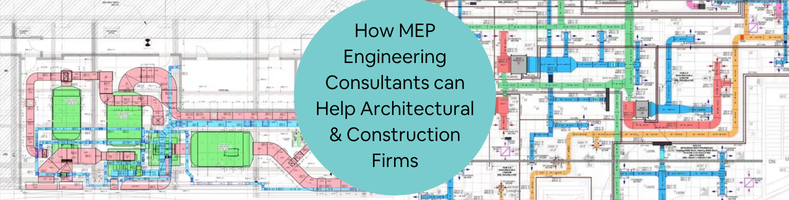
Modern building designs go beyond how it looks and stand in the neighborhood, it is also defined by its internal complexity. Everything connects seamlessly on the inside, like air conditioning, electricity, and plumbing by MEP engineers. They are the ones responsible for making sure that all these systems are running smoothly without clashing with the building design. These systems are often coined as the building’s “nervous system” as it shows how different piping makes sure that the lights can function, the water can flow and the air stays comfortable.
Involving MEP engineers during the design stage helps lessen clashes with architectural or structural elements. It also aids in supporting the building to be more energy-efficient and compliant with safety rules. Cad Crowd is a reliable platform where businesses can connect with MEP engineering experts, tailored to their project needs. Having the right team member helps in delivering quality work and success to the project.
Defining the Core of MEP Engineering
AutoCAD MEP engineers focus on planning and designing how the building will be livable. It ensures that the behind-the-scenes systems are running seamlessly. With it, the building has proper airflow, lighting and water supply. MEP engineers ensure that the occupants will have a comfortable stay in the building and that the systems work safely and efficiently throughout the years.
The Mechanical Pillar: HVAC Systems
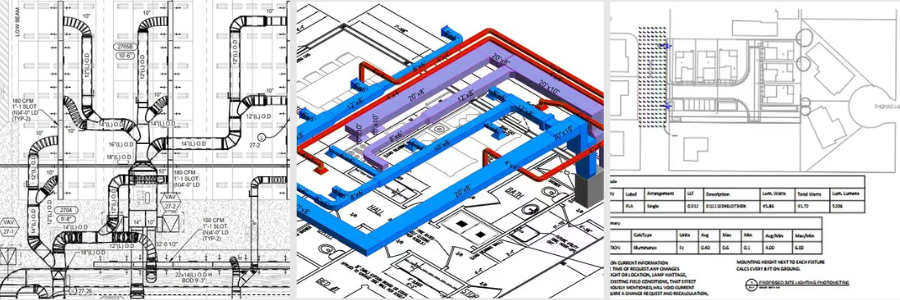
Mechanical systems in a building system primarily focus on heating, ventilation, and air conditioning (HVAC). These systems maintain indoor air quality and thermal comfort, ensuring that the indoor environment is livable no matter what the weather is like outside. MEP engineers have to carefully calculate heat loads and the necessary ductwork sizes for it, to ensure that it remains stable regardless of external weather conditions, and to ensure comfort.
The Electrical Pillar: Power and Light
Electrical systems focus on power distribution, lighting design and telecommunication inside the building. Doing this ensures that the electricity is safely distributed from the power supply to outlets, wiring, and lights up to the devices connected. It also ensures support for internet and communication systems. This is where electrical engineering services come in.
The Plumbing Pillar: Water and Waste
Plumbing systems handle proper delivery and distribution of potable water and the efficient removal of waste and rainwater. MEP engineers design and plan a system that ensures proper water flow, consistent pressure, ensuring that the water in the building is safe, clean and leak-free, fitted for daily use.
Early Integration for Maximum Efficiency
It is important to involve MEP consultants and engineering design specialists during the initial design stage to identify potential system conflicts that may be costly if found out later on site. Encouraging early collaboration ensures that there is enough space for pipes, ducts, and other equipment.
Enhancing Architectural Freedom
Having a MEP engineer or consultant handle the technical constraints of the system lets architects have freedom in exploring bold designs without much worry. A healthy and seamless communication lets them find ways to follow the design without the systems looking awkward.
RELATED: Relevance of MEP Drafting Services for Architectural Design Firms & Construction Companies
Reducing Total Project Costs
Although hiring a MEP consultant may look costly at first, it can be considered as an investment since it significantly reduces the total costs by preventing potential reworks on site. These fixes optimize material usage. Having a hired expert ensures that uncertain costs will lessen since there will be a precise calculation to know that the equipment is of the right dimensions.
Navigating Complex Building Codes
Building codes for energy efficiency, fire safety, and accessibility are constantly changing and depend on the project in which it is located. Building codes are the reason why MEP consultants stay updated and make sure that the designs follow regulations from the start of the project. The following codes reduce the potential risk of failing inspections, costly reworks, and project delays.
Improving Energy Performance
Designing sustainable buildings with architectural design companies means being involved in designing how to be efficient with energy and water consumption and MEP consultants play a lead role in it. They design systems that can reduce power consumption and integrate renewable energy sources. Implementing this helps in achieving LEED or other green building certifications.
Optimizing Indoor Air Quality
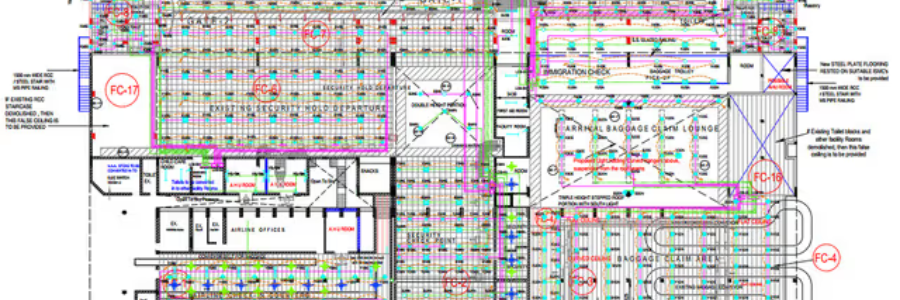
Keeping the air quality is also part of MEP design – it ensures that the indoor air is fresh and free from harmful pollutants, ensuring a healthier environment for the occupants. Now that there is a firsthand experience with the pandemic, it is more important to design advanced filters and airflow strategies to safeguard the health of the people.
Fire Protection and Life Safety
MEP engineering also covers and includes fire protection systems, like standpipes, sprinklers and smoke control measures. These safety measures are non-negotiable for protecting the lives of the people and the building. It makes sure that the system fits seamlessly into the building so it can function properly.
RELATED: How do Architectural BIM Services for Companies Complement the MEP/FP Design Process?
Lighting Design and Visual Comfort
Lighting does not only function as turning a light on and off. Lighting adds shade, texture, mood, and emotions to the room. That’s why lighting design professionals, proficient in MEP engineering, analyze and calculate the room areas and design appropriate lighting needed because they integrate balance with natural lighting and artificial ones to lessen energy consumption.
Specialized Knowledge in Power Distribution
When a project is large-scale, it often needs complicated electrical setups such as substations, transformers, and backup generators. MEP engineers and consultants make sure that these are sourced in a way that aligns with their calculations and are safely isolated yet accessible for future upgrades.
Acoustic Engineering and Noise Control
Some mechanical equipment, especially for large-scale projects, can be very noisy and disturbing. This is why MEP engineers and HVAC design consultants plan and design sound-dampening solutions for HVAC units and pumps to reduce noise disturbance. Important for homes to be more comfortable, or for hospitals or rehabilitation centers where healing and recovery require quiet spaces.
Strategic Site Utilities Management
Sourcing utilities goes beyond just finding resources – MEP consultants and engineers work with the local utility companies to plan and connect water, gas, and electricity to the building. It ensures that the systems are compatible with the infrastructure for easier expansion in the future.
Water Conservation Strategies
MEP consultants and engineering plan conservation strategies to drastically reduce a building’s water footprint. This strategy helps in lowering water bills, which are essential to areas that have water scarcity, and lower operational costs for owners.
RELATED: What Are MEP Design Costs, Drafting Fees & Engineering Service Rates for Companies?
Smart Building Automation
Now that modern construction has integrated Building Management Systems (BMS), it has allowed building owners to have access and monitor lighting, climate, and security from a central interface. This automated system optimizes efficiency by adjusting the systems based on real-time occupancy and the current space’s conditions.
Minimizing Construction Delays
When the MEP documentation is handled properly and in detail, it reduces queries and clarifications, speeding up the operations on site. Clear plans promote efficiency at work and reduce mistakes, making it smoother to operate according to the construction timeline.
Scalability for Large Projects
Having a big project also means that it will be a complex, interconnected system within floors and buildings. To ensure that all systems work together smoothly, there could be a central plant to support the entire load without any part failing. This design strategy is ensured by engineering designers and consultants to ensure that the systems will work efficiently, no matter how massive the development is.
Enhancing Property Value
When the building has an efficient and modern MEP system, the buyers and tenants lean toward it. This is because of the comfort they’d get to have if ever. When all the systems function and work well, it is easily noticed how nice it is to occupy here, and so it can be tagged as a luxurious feel or a privilege. Investors can sell or lease these places at a higher rate compared to buildings with poorly designed systems.
Expert Peer Reviews
Sometimes there are flaws that are overlooked by internal experts, so a new set of expert eyes is needed to give a fresher review and check on the quality. These experts can spot and identify flaws that could be a potential risk to safety, helping the internal architectural planning and design team reduce costly reworks and legal issues in the future.
Future-Proofing for Technology
The modern construction constantly evolves and to ensure that the buildings are ready to adapt to power needs and communication standards, MEP consultants and engineers have to think of a design that is future-proof. This means that the design is flexible enough for the building to allow easy upgrades in instances needed without major reconstruction. This reduces costs of starting over again.
RELATED: How Plumbing Engineers Benefit from CAD Drafting and Design Services
Coordination with Structural Engineers
It is a common problem for MEP and structural drafting professionals to have design conflicts, especially when not coordinated clearly. MEP systems require support structures, and the structural team provides them. It is best for both to collaborate closely to understand what the other needs to ensure the building remains strong while keeping the systems housed and supported.
Optimizing Kitchen and Laundry Systems
For commercial projects, such as restaurants and hotels, it could require a specialized design and system since it handles specific conditions. The design should ensure that the heavy-duty plumbing complies with health standards, and that there are grease traps around in appropriate locations as well as high-volume exhaust. A MEP engineer and consultant tailors the system to the functionality of the space.
Building Envelope Consultation
Analyzing the building envelope is often a collaborative work between architects and MEP engineers. They calculate the envelope’s thermal performance and fabricate a design to better serve the building. They will be able to recommend a better glazing or insulation tailored to the performance of the building, reducing the significant size and cost of HVAC equipment.
Sustainable Material Selection
Since the world is aligning to sustainable approaches, MEP engineers and consultants are also considering selecting materials for piping, wiring and insulation materials that have low embodied carbon. Doing this ensures that the building is promoting “green” from the inside out.
Effective Project Documentation
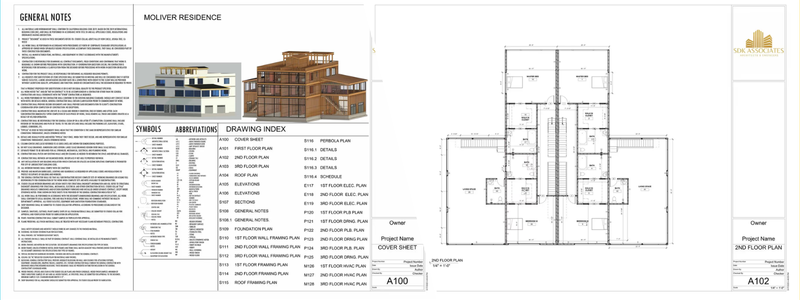
When everything has been done and collated, from the technical drawings and plans from architectural drawing experts, the specifications and installation, and other important documents related to MEP, the final output is considered legally binding and provides a definite standard for what’s intended, protecting the owner’s interests during construction.
RELATED: HVAC Duct Shop Drawings: The Complete 2025 Guide for Freelancers and Construction Service Firms
Resolving Site Constraints
One of the problems faced by the MEP team is finding a way to stack equipment, especially on tight urban sites. They find innovative ways to utilize and maximize the space by being an expert at spatial puzzles.
Life Cycle Cost Analysis
MEP consultants look at the equipment not as a one-time purchase but as an investment, since it can last over 20 years of its lifecycle. Investing your money in life cycle cost analysis can be a practical decision since it can last a long time and can lessen the cost in the long run.
Enhancing Occupant Wellbeing
While a MEP system is known to provide physical comfort to the buildings, it also has an impact on the psychological well-being since it can alter and change lighting levels appropriately and adjust acoustic privacy. The MEP engineers and architectural detailing consultants have their way of fostering an environment that prioritizes relaxation and productivity.
Streamlining the Permitting Process
Since the MEP engineers and consultants often work with local officials, they can easily navigate through and work on permitting processes more quickly. Their understanding of compliance can be an edge in reducing rejections.
Mitigating Risks of System Failure
Identifying and knowing why a system fails is an important step in providing solutions. Tests are done on designs to pinpoint their weak points and design a proactive approach to prevent possible failure, to ensure the safety of the occupants of the building.
RELATED: Fundamentals of BIM & Modeling Design Services at Building Information Modeling Companies
Providing On-Site Construction Support
MEP consultants and CAD engineers are encouraged to do construction site visits to ensure that all works are in accordance with the approved plans. To ensure proper handling and prevent contractors from doing shortcuts that could compromise the building’s integrity and performance.
Final Commissioning and Testing
MEP Engineers and consultants who oversee each project must conduct a final testing on every project to identify its usability. Electrical lines, plumbing, lighting, and floor alignment must be checked and fitted to the client’s standard. Other than this, building codes are verified one last time for operational purposes.
Addressing Seismic Restraints
Should there be instances wherein a region is earthquake-prone, MEP and structural engineers can design seismic restraints for their heavy equipment and piping systems to keep them from breaking or collapsing. With detailed specifications, failures can be avoided, which are critical for the system to remain functional. Most of the buildings, such as hospitals or emergency centers, should keep working even after a strong quake.
Low-Voltage System Coordination
In this age, modern buildings rely now on low-voltage equipment such as security cameras, intercoms, fire alarms, access control, and high-speed data networks. Because of this, proper wiring planning is needed to avoid octopus wiring, fire, and trip hazards. MEP engineers and consultants carefully map out a layout on how the systems will interact, ensuring it works reliably while maintaining a cluttered interior environment.
Value Engineering Processes
Value engineering is one way of saving money while achieving the same quality and performance. MEP engineers and design engineering consultants are considered experts in it since they’re able to find ways to find, analyze, and design a system to recommend a more energy efficient design by looking for alternative materials or equipment. They ensure that expenditure delivers maximum advantage, which is important not just for large-scale projects but for all projects, as it adds significant savings.
RELATED: Common Structural Design Mistakes to Avoid When Hiring Engineering Design Firms
Managing Wastewater Treatment
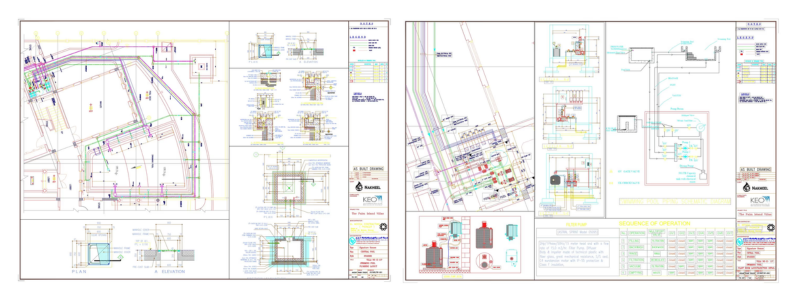
In some projects, especially those in remote areas or industrial facilities, there is limited to no access to municipal sewer systems. It is a challenge to manage it, but MEP engineers and design engineering consultants can help in designing an on-site wastewater treatment and disposal system that is compliant and socially responsible. Both sanitary and industrial effluences are handled safely, preventing blockages, contaminations and regulatory fines for safety purposes.
Emergency Lighting and Backup Power
When there’s a power outage, the building shouldn’t immediately just go dark, especially when there are people inside who need to exit the building safely. MEP engineers and consultants come up with an emergency lighting system that can automatically turn on to guide the occupants to exit. These systems are carefully designed and intended not to fail during emergencies.
Hospital and Healthcare Specificity
For healthcare facilities, since it specialized setups like medical gas lines for oxygen or a carefully controlled air system in operating rooms, they require much more advanced systems to protect patients and staff. MEP engineers and consultants make sure that the design is strictly compliant with medical standards and helps avoid airborne infections.
Retail and Tenant Fit-Outs
Buildings that are for retail, shop, or offices the MEP consultants and engineers design a flexible-base building system so it can adapt easily to the tenant’s needs. This approach makes the building ready for anything so the tenants can modify without doing a major renovation, saving them time and money for doing a rework in the future.
Cooling Tower Maintenance and Efficiency
There are buildings that use a water-cooled air conditioning system, and in this case, cooling towers play a big role in keeping everything operational efficiently. Good planning keeps the whole system safe, efficient, and longer-lasting, reducing further costs of repairs in the future.
Underground Utility Coordination
Not everyone can imagine how crowded the area below the building can be, with gas lines, water pipes and electrical cables running underground. Proper planning has to be done or else there could be an accidental hit or damage that may be done. MEP engineers and consultants can use scanning tools and technology, or even 3D modeling services, to see where the utilities are located which helps the workers to avoid costly mistakes and dangerous work during excavation
RELATED: BIM Design: Compelling Reasons to Use it for Architectural Projects and CAD Design Firms
Rainwater Harvesting Systems
The most common way of practicing sustainability is collecting and treating rainwater for irrigation uses, toilet flushing or watering plants. MEP engineers and consultants evaluate and calculate roof runoff volumes and design the required filtration systems and storage as well to turn the rain runoff into a valuable resource.
Radiant Heating and Cooling
Radian heating systems provide superior comfort by its ability to adjust floor and ceiling temperatures. This system creates an even distribution of cooling or heating instead of just blowing the air around. MEP engineers and consults can integrate these floor or ceiling systems to provide a quieter and more efficient alternative to traditional air-conditioning systems.
Cleanroom Engineering Standards
There are facilities that are sensitive to air particles, like pharmaceuticals or semiconductor manufacturing. This is why “Cleanrooms” are designed to help regulate air, ensuring that the quality, temperature, and pressure are tightly controlled. Ensuring accurate airflow and filtration are available in the design.
Integrated Security System Design
Security has now evolved from traditional locks to integrated access control, biometric scanners and even advanced video analytics. The MEP consultants and engineers ensure that all these systems and access have the necessary power and data connection to operate effectively as unified protection for the building.
Geothermal Heat Pump Systems
Geothermal systems make use of the ground as a natural source of energy. To do this, MEP engineers and consultants study and analyze the soil and design an underground piping system to distribute heat from and to the building. This system helps in reducing energy consumption and lowering utility costs, offering an eco-friendlier solution.
Laboratory Exhaust Systems
Facilities such as laboratories require a special design that is powerful enough to deal with hazardous chemicals. This could require a special exhaust system to make sure that dangerous air doesn’t stay inside or come back into the building. A powerful ventilation system quickly aids in protecting the worker and the public.
RELATED: Complete Guide for Electrical Drawing and Blueprints Drawings for Your Company
Electrical Metering and Billing
For multi-tenant buildings, it is only normal to use a sub-metering system to know exactly how much electricity each tenant uses over time so they can be charged fairly. It not only focuses on that but can also encourage energy-saving since the occupants see their usage costs. This is considered a smart way to efficiently manage utilities while having the tenants accountable.
Pump Room Layout and Optimization
The heart of the water system is located at the pump room, which is why MEP engineers have to carefully lay out the system for ease of maintenance. MEP Engineers and layout planning design consultants plan this space to cater to all necessary motors and pumps, with ease of access, and ensure a sloped floor for proper drainage during routine servicing.
Thermal Energy Storage (TES)
Thermal Energy Storage (TES) systems act like a cooling battery for keeping the building cool during the day, which is a lot cheaper. Having this significantly reduces the building’s peak electricity demand and lowers the overall utility costs. It promotes balance in energy use.
Natural Ventilation Strategies
Natural Ventilation Strategies is a design that utilizes “passive” ventilation systems, which use wind and natural air movement to cool down the building. This design cuts down on mechanical air conditioning and provides occupants with a more natural and comfortable connection to the environment.
Electrical Surge Protection
Lightning strikes and grid fluctuations can damage the building’s electronic system. To help protect the building, MEP engineers and electrical schematic drawing consultants design a multi-layered surge protection that can help divert excess voltage to the ground to keep the building safe.
Condensation Management in HVAC
Whenever warm and humid air comes into contact with a cold surface, water droplets form. And if this isn’t properly controlled, it could drip onto surfaces like ceilings, walls, or floors, which could create mold, corrosion, and even structural damage. Condensation management is done by MEP engineers and consultants to prevent this kind of issue. To do this, they design a drainage system that can safely carry water away, choosing the right insulation to keep ducts above the dew point. This keeps the buildings dry and safe.
RELATED: Top 27 Sites to Hire HVAC CAD Designers & 3D Modeling Drafters for Architectural Projects
Smart Thermostat Integration
The modern construction has now integrated smart thermostats into the building’s HVAC system to allow control and to save energy. When using this, MEP engineers and consultants make sure that the devices used are compatible with the central mechanical equipment.
Vibration Isolation for Equipment
There is large mechanical equipment that can shake a building as they operate, creating noise disturbance and physical discomfort. MEP consultants and engineers design an isolation solution, such as spring mounts or rubber pads, to allow the equipment to float independently, keeping vibrations from spreading through floors and walls, which can reduce noise. Proper vibration isolation is done to extend the lifespan of the equipment and the building by keeping it still and quiet.
Electrical Load Balancing
Proper electrical load balancing prevents overheating and wasted energy. This is why MEP consultants and electrical circuit designers carefully calculate the load distribution of power throughout the building, ensuring that transformers, panels, and circuits are all working efficiently. The balance doesn’t just extend the lifespan of the equipment but could also help in lessening energy consumption, keeping the building running safely.
Stormwater Management and Retention
To prevent overwhelming city sewers, urban projects must know how to manage their own stormwater runoff. MEP engineers and consultants recommend retention tank design that could conveniently catch heavy rainfall and release the water to soak into the ground more naturally.
Emergency Communication Systems
One of the useful innovative systems that is used in the building in case of emergency is the voice-evacuation system. MEP engineers and consultants can create a design appropriate to operate speakers and amplifiers to create a survivable and loud communication device to alarm the crowd.
Building Commissioning Management
Building Commissioning is like the final quality check for a construction project but mainly focuses on MEP systems. It ensures that testing for HVAC units, pumps, electrical circuits, lighting, and fire protection is done to prove that it operates exactly as designed. This also ensures that it functions smoothly which gives the building owner confidence that it is safe to occupy.
RELATED: Fundamentals of BIM & Modeling Design Services at Building Information Modeling Companies
BIM Coordination for MEP
BIM coordination is a seamless and efficient way to communicate with a multi-disciplinary scope of work. MEP engineers and BIM modeling consultants preside over virtual meetings to resolve present clashes and conflicts that may arise during pre-construction. This way, detected issues can be resolved immediately, saving a lot of time and money.
Electrical Power Quality Analysis
For industrial facilities, having a clean and stable electricity supply is critical to run the building. The MEP engineers and consultants evaluate and study the building’s power to detect certain voltage drops or spikes that could possibly damage sensitive equipment. They ensure that the machinery can run smoothly without downtime or repairs.
Conclusion
What once felt like a luxury is now a necessity in construction. MEP engineers consultants are beyond designing the right MEP layout of the building, but aim to allow seamless coexistence with architectural design and structural supports. It serves as a backbone to execute sustainable energy and strict safety standards. Having MEP experts identify potential risks of clashes that could be costly problem a building may face.
How Cad Crowd can assist
If you are ready to advance to building a comfortable space for people, Cad Crowd is the right platform to find the MEP engineering consultant for you. In Cad Crowd, you can explore and browse vetted professionals who can seamlessly integrate MEP system and collaborate with the design team. Cad Crowd helps in connecting with experts who can deliver your next proper, code-compliant, future-proof and high-performing sustainable building. Get a free quote today!