
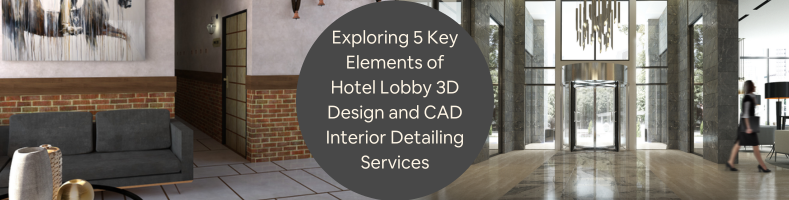
The hotel lobby is the first point of contact between the guests and the establishment, so it plays a very important role in the overall guest experience. It’s not just the area where one gets checked in or waits but it is key in communicating the brand, its values, and the overall style of luxury of that hotel.
With extensive usage of advanced tools such as 3D design software and CAD interior architectural detailing services, modern interior designers and architects guarantee the lobby looks pleasant and functional and also welcomes all the visitors; it helps achieve all detailed designs to ensure a level of precision, and enables a hotel to realize its vision of being functional while achieving optimal planning.
Cad Crowd has been a leader in providing the best freelance 3D CAD interior detailing professionals to design firms and architectural companies for over 15 years. This article focuses on five crucial aspects of hotel lobby 3D design and CAD interior detailing services, which play an important role in designing the ideal lobby.
🚀 Table of contents
Space planning and layout optimization
One of the most crucial design elements in a hotel lobby’s space planning would probably be how space is distributed for different functionalities and amenities in this space. A good design must facilitate the flow through the space while giving guests an uninterrupted experience from entry through waiting, resting, and the like. This means aesthetic appeal should come hand in hand with optimized usage of space.
Main considerations when doing space planning in hotel lobbies:
Guest circulation: The lobby should be designed to allow easy movement without feeling overcrowded or cramped. Proper space allocation ensures that guests can comfortably move between areas like the check-in desk, waiting lounges, and elevators.
Zones: A good hotel lobby will have different zones, such as the front desk where guests check-in, the sitting areas, and possibly a bar or a café. All these areas must be designed to have a functional flow while each area serves its purpose.
Functional access: Utilize design characteristics, such as a doorway, place of furniture, and ease of accessible services, which will be used for the purpose that space will adhere to the accessibility specifications of all guests.
Role of 3D design and CAD interior detailing: Architectural design firms can test various layouts and configurations to move walls, furniture, and partitions around using 3D design software. Virtual mockups will ensure the space is fully utilized. CAD detailing ensures precise measurements so that furniture and fixtures fit into the space without gaps.
RELATED: Learn about architectural design fee schedules, rates, and pricing for architect firms’ costs
Aesthetic concept and visual identity
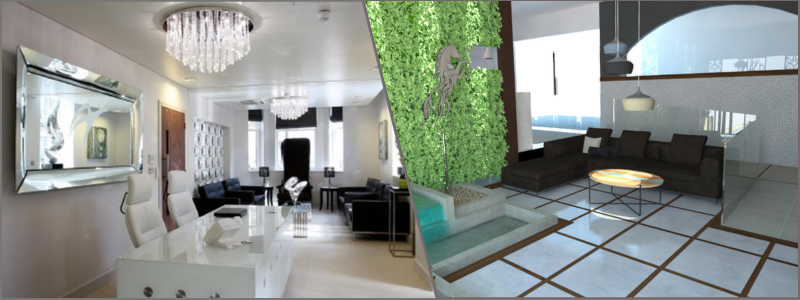
This is where all the guest experience is set. Starting from the colors used, the textiles, and the lighting to the furniture and décor, everything that is chosen should have been considered in relation to hotel brands and themes. Whether the style is luxurious, modern, minimalist, or bohemian, the hotel should show that particular style in the lobby design.
Main aspects of aesthetic design:
Color palette: Colors can affect emotions and, in a way, the mood of a place. Luxury hotels might opt for deep tones such as gold, navy, or burgundy. A boutique hotel would opt for something more vibrant and eclectic.
Materials and textures: These aspects give the space a sensory feel. A hotel design has to use materials that give an incomplete look and feel, which are not only durable but also easy to maintain.
Lighting: One of the most influencing elements in ambiance creation is lighting. The designers use natural light as well as artificial lighting to draw attention to architectural features, evoke a mood, and make guests feel comfortable and welcome.
Decorative elements: Art, sculptures, plants, and even furniture style must align with the theme and purpose of the space.
3D design and CAD interior detailing: A designer can get a real-time view of effects from various color schemes, textures, and lighting schemes using 3D rendering services. They can play with many different configurations to get a feel of how the individual elements work in conjunction with one another before ever having to physically make changes. In CAD detailing, a designer can draw furniture and fixtures with precision and accuracy so that everything will be proportionally correct to the space.
Lighting design: Creating the proper mood
Lighting design professionals are integral to the hospitality lobby and dramatically affects the environment. In the right lighting, architectural detail can be more pronounced; warm ambient light can give a sense of welcome, or the overall appearance of the property can be even more beautiful. In any hotel lobby, lighting must provide a strategic presentation of key space elements, which include the front desk, lounge furniture, and visual interest.
Key considerations for lighting design include:
Layered lighting: Layered lighting often comes through several defined layers – ambient lighting, task lighting, and accent lighting. Ambient lighting helps to illuminate the space overall, task lighting directs focus to specific areas such as a check-in desk, and accent lighting lights up artwork or architectural features.
Natural lighting: Natural light can be brought into the lobby through large windows or glass walls and has been scientifically proven to raise mood and a welcoming ambiance for the guests.
Energy efficiency: The hotel lobbies are indeed areas of frequent visitation that demand extended operating hours. Lighting solutions that may be considered “green,” for example, LED, will reduce energy consumption without negatively affecting the look.
It is through 3D design and drafting services and CAD interior detailing that designers will have an opportunity to see within their virtual space how materials and furniture react to light. Lighting angles, colors, and intensity may now be tweaked in order to achieve the kind of mood desired. On the other hand, with CAD detailing, the placement of lighting fixtures to be used will be easier to identify so that they can be applied accurately and have a means for illuminating the desired areas.
RELATED: All you need to know about 3D visualization for architectural design and CGI projects

Sustainability and eco-friendly design elements
Sustainability has become a key factor for hoteliers when designing lobbies. Designing such lobbies that are not only eco-friendly but minimize the implications on the environment without compromising luxury and style. This feature has not only proved to be an environmental signifier but also a marketer’s tool for targeting smart travelers. Architectural detailing services should take this into consideration.
Key considerations for sustainable design:
Sustainable materials for selection: Material selection in a lobby design is also one that can include reusing reclaimed wood, recycled metal, or stones sourced locally, which not only helps reduce its carbon footprint but also adds the unique character that such materials introduce to the room.
Energy efficient features: Other energy-saving features can be incorporated besides the LED lighting system, such as energy-efficient heating, ventilation, and air-conditioning systems, in addition to light automation and natural ventilation systems.
Indoor air quality: The use of low-VOC paints, sustainable fabrics, and natural cleaning products will ensure better quality indoor air for guests and staff.
Role of 3D design and CAD interior detailing: 3D design tools allow designers to experiment with green materials and their visual impact, as well as how they come together with the rest of the design. CAD detailing ensures that the materials used are correctly specified for production; hence, it would be easier for a designer to source sustainable options and take good care of the intent behind the design.
RELATED: Why 3D rendering and retail store design services for commercial spaces are important
Application of technology and smart features
Technology in the hotel lobby is no longer a luxury but a necessity to provide a modern, seamless guest experience. From automated check-in kiosks to interactive displays and smart lighting, technology is increasingly playing a role in hotel interior design services.
Check-in kiosks: The guest self-service kiosk for check-in and check-out should be the easiest and most straightforward, with absolutely no human interface. Such kiosks are a great feature for the lobby as well as an aesthetically pleasing way of presenting these self-service stations.
Interactive displays: Interactive digital displays may show the hotel services, the points of attraction of the location, or even the weather forecast. It should be located at the optimal viewing and access point.
Smart lighting and climate control: Automated systems that adjust lighting and temperature according to occupancy can provide a more personalized experience for guests and improve energy efficiency.
Role of 3D design and CAD interior detailing: The technology integration in the lobby can be simulated using 3D design software, so how the tech elements will interact with the space. CAD detailing helps to specify the electrical and technological infrastructure that will be required for features like interactive displays, kiosks, and smart lighting.
Conclusion
Hotel lobby 3D designers and CAD interior detailing services have really changed the design of hotel interiors. It has been enhanced with advanced tools in terms of space planning, aesthetic design, lighting, sustainability, and technology integration, through which the final output of the hotel will be designed in a manner that will serve the functional requirements and branding aspirations of the hotel.
As hotel lobbies become multi-functional spaces that host guests with various needs, these five essential elements remain integral parts of the designs to be visually compelling while functionally working and inviting.
RELATED: Floor plan layouts and interior design drawings: Tips for architects and companies
How Cad Crowd can help
It might be an over-the-top luxury five-star hotel or an on-trend boutique property; nevertheless, splurge on professional 3D design and CAD detailing services so that the lobby will always be well-thought-out, giving a lifetime first impression to everyone who goes there. Cad Crowd has years of experience to connect you with the top services that enable you to bring your dream into reality. Request a quote today.



