
Finding the right structural engineering expert can make or break your construction project. It’s one of those decisions that keeps project managers awake at night – choose well, and everything runs smoothly. Choose poorly, and you’re looking at delays, cost overruns, and potentially serious safety issues.
Structural engineers do more than just design buildings. They’re involved in demolitions, building inspections, renovations, and even forensic investigations when things go wrong. The challenge is finding someone whose experience aligns perfectly with your specific project needs.
If you’re feeling overwhelmed by the hiring process or just want to make sure you’re covering all your bases, this guide will walk you through everything you need to know about hiring the right structural engineer for your project
🚀 Table of contents
Why your company actually needs a structural engineer
Construction projects live or die based on two critical factors that most people don’t think about until something goes wrong.
Materials matter more than you think. The difference between using the right steel grade and the wrong one can mean the difference between a building that lasts 50 years and one that develops problems in five. A good structural engineering service doesn’t just know what materials to specify – they understand how different materials behave under stress, how they age, and how they interact with other building components.
Structural integrity isn’t negotiable. This goes beyond just making sure the building doesn’t fall down (though that’s obviously important). A skilled structural engineer designs systems that can handle not just the obvious loads like furniture and people, but also wind forces, seismic activity, temperature changes, and even unexpected events like vehicle impacts or equipment failures.
Structural engineers are the people who make sure your building can handle whatever life throws at it. They calculate loads, design connections, specify materials, and create detailed plans that contractors can actually follow. They work closely with architectural design experts to turn beautiful designs into buildable structures, and they collaborate with other engineers to ensure all the building systems work together harmoniously.
Throughout the construction process, they conduct inspections to verify that everything is being built according to plan. They catch problems before they become expensive mistakes, and they sign off on the structural elements that keep buildings safe for decades.
The best structural engineers don’t just meet building codes – they optimize designs for efficiency, sustainability, and cost-effectiveness. They find creative solutions that save money without compromising safety, and they help projects stay on schedule by anticipating and preventing problems before they occur.
RELATED: Structural engineering rates & costs for architectural design firms
What makes structural engineers stand out
When you’re looking for a structural engineer, the difference between a good one and a great one can mean thousands of dollars and months of time. Here’s what actually matters.
Real design experience pays off
Design work eats up most of the time and budget in structural projects. Engineering firms that’ve been around the block work faster and avoid costly mistakes. They’ve wrestled with enough buildings to spot which ideas work and which ones create headaches later.
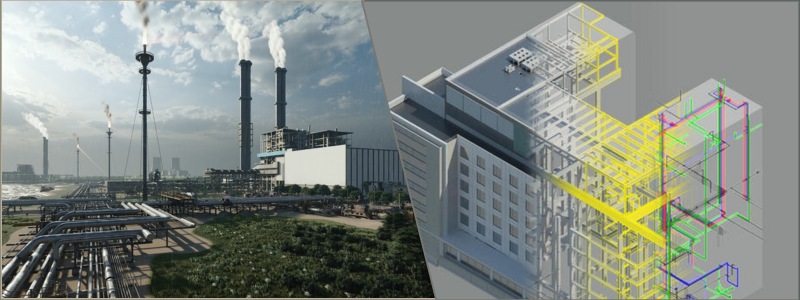
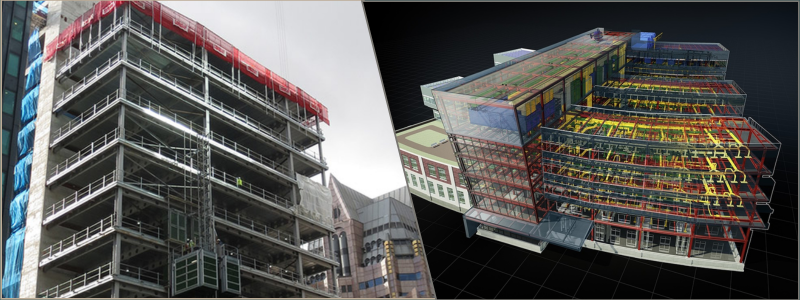
The top firms have embraced Building Information Modeling (BIM) – though it’s not just about fancy 3D models. BIM lets engineers run virtual tests on designs before breaking ground. They can see how materials will hold up, spot construction hiccups early, and nail down more accurate cost estimates. Skip the BIM, and you’ll likely pay more while waiting longer.
Smart planning prevents disasters
Planning separates smooth projects from complete disasters. The engineers worth hiring have solid systems for managing their workload. They think ahead, catch problems before they explode, and build buffer time into schedules.
This includes wrestling with the mountain of paperwork that construction demands. Permits, inspections, code compliance documents – skilled engineers handle this maze so bureaucratic delays don’t torpedo your architectural design firm‘s timeline.
Material knowledge that actually works
Picking the right materials blends science, creativity, and budget reality. Engineers must juggle strength needs, thermal behavior, looks, costs, and what’s actually available. They need to know how materials age, how they play with other building parts, and how local weather will affect everything.
This wisdom comes from hands-on experience, not just classroom theory. Engineers who’ve tackled varied projects understand the real trade-offs. They know when splurging on premium materials makes sense and when standard options do the job perfectly.
Communication that keeps things moving
Construction projects involve dozens of people who must work together. Structural engineers coordinate with architects, contractors, other engineers, building officials, and clients. Poor communication kills momentum fast.
Test their communication skills early. Do they return calls and emails quickly? Can they explain technical stuff without drowning you in jargon? Do they ask smart questions about your goals and limitations? These first conversations show exactly how they’ll handle project communication.
Team players get better results
The best structural engineers thrive in collaborative environments. Those working in multidisciplinary firms usually excel here because they’re used to coordinating with architects, mechanical engineering experts, and other specialists. They understand how their decisions ripple through the entire project and adjust accordingly.
Local knowledge matters
Building codes differ dramatically between cities and states, plus they change constantly. Your engineer needs current knowledge of the specific rules governing your project location and building type. They should also understand local permitting quirks, inspection routines, and any unusual requirements that might affect your project.
The bottom line? Great structural engineers combine technical skill with practical experience, clear communication, and deep local knowledge. They’ve learned from enough projects to work efficiently while avoiding the pitfalls that trip up less experienced firms.
RELATED: BIM design: Compelling reasons to use it for architectural projects and CAD design firms
Market demand for structural engineers
Getting a handle on market demand matters when you’re considering structural engineering work. Freelancers face real challenges hunting down projects, especially without solid industry connections. Building that network takes time.
The market shifts constantly – sometimes there’s plenty of freelance work, other times clients stick with established firms. Local conditions make a huge difference. What works in booming metro areas might not apply to smaller markets where relationships drive business.
Smart engineers research their local scene first. They check who’s getting hired, what projects are moving, and whether clients trust engineering design freelancers with significant work. Success comes down to understanding what clients actually want and positioning yourself to deliver it consistently.
Essential Questions to Ask Before Hiring
“What’s your experience with projects like this one?” Don’t just ask about general experience – ask specifically about projects similar to yours in size, type, and complexity. A residential engineer might struggle with industrial projects, and someone who specializes in new construction might not be the best choice for renovation work.
“Are you properly licensed and insured?” This should be non-negotiable. Verify that their license is current and covers the type of work you need. Make sure their insurance coverage is adequate for your project size and risk level.
“How familiar are you with the building codes that apply to this project?” Building codes are constantly evolving, and they vary by location and building type. Your design engineering services need to be current on the specific requirements that affect your project.
“What are your fees, and how do you structure billing?” Get clear information about how they charge – hourly rates, fixed fees, or a percentage of construction cost. Understand what’s included and what might result in additional charges. Ask for a written estimate that breaks down the scope of work.
“Do you see any issues with our proposed timeline?” A good engineer will review your schedule and identify potential conflicts or unrealistic expectations. They should be able to suggest adjustments that keep the project on track while ensuring quality work.
“Can you provide references from recent similar projects?” Contact previous clients to ask about the engineer’s work quality, communication, adherence to schedules, and ability to handle unexpected challenges.
RELATED: The evolution of architectural design with CAD software & design service companies
Red flags to watch out for
Be cautious of engineers who seem reluctant to discuss their experience in detail, can’t provide local references, or give quotes that seem unusually low compared to others. Civil engineering services that don’t ask detailed questions about your project might not be thinking carefully about the complexities involved.
Also, watch out for poor communication during the hiring process. If they’re slow to respond to calls or emails, unclear in their explanations, or seem to rush through discussions about your project, these patterns will likely continue throughout the project.
Making your final decision
The cheapest option usually isn’t the best value. Focus on finding an engineer whose experience matches your project needs, who communicates well, and who demonstrates a thorough understanding of the challenges your project will face.
Consider the total cost of the relationship, not just the engineering fees. An engineer who prevents problems, keeps the project on schedule, and helps optimize the design can save far more money than they cost
Trust your instincts about working relationships, too. Construction projects involve months of close collaboration, so choose someone you’re comfortable working with through both smooth periods and inevitable challenges.
The right structural engineer services become a valuable partner who contributes to your project’s success in ways that go far beyond basic structural design. Take the time to find someone who meets your technical needs and fits well with your project team.
Partner with Cad Crowd now!
Skip the lengthy search process and connect with pre-vetted structural engineering professionals who have the exact experience your project needs. CAD Crowd’s network includes licensed structural engineers with proven track records across residential, commercial, and industrial projects. Get matched with qualified candidates, review their portfolios and client feedback, and hire with confidence knowing you’re working with vetted professionals. Contact us now to get your FREE quote!