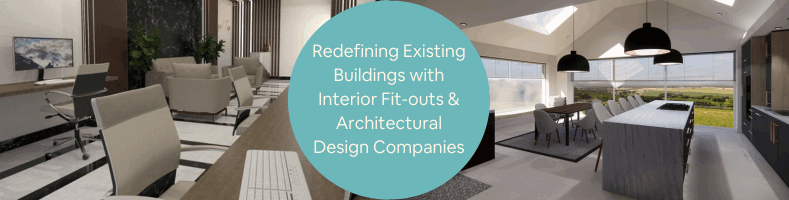
Existing buildings are redefined with interior fit-outs and architectural design by converting spaces into efficient, visually appealing spaces. It becomes a necessary step in the improvement of the usability, aesthetics, as well as the worth of a building.
Whether it is an office building, commercial business, or domestic property, the synergy of considerate interior fit-out and carefully planned architectural design can bring life to any premises. For owners and developers of buildings, having an idea about how to approach architectural design firms and interior design experts from industry leader Cad Crowd is the gateway to success in their endeavor.
The role of architectural design companies in reimagining spaces
RELATED: How structural engineers improve custom home design when you hire architects & design firms
Architectural design is so much more than merely putting buildings together. It’s creating spaces that respond to the user’s requirements and are in balance with aesthetics, functionality, and sustainability. An experienced architectural design company offers vast expertise and knowledge, enabling owners and tenants to see and achieve a renewed space.
The process of redesigning an existing building most often starts with learning the client’s vision and needs. From redesigning a business office building to repurposing an antique warehouse as a loft apartment, to even just remodeling a restaurant, the job of the architectural design firm is to steer the makeover with regard to:
- Structural integrity and feasibility: Architects evaluate the current structure of the building before any functional or aesthetic modifications are undertaken. It is important to ensure that the space is capable of accommodating changes. This includes a check on the foundation, load-bearing walls, and other fundamental aspects. Reinforcements might be necessary for a building prior to redesigning, and a good architect will have solutions that are within the budget and objectives.
- Functional flow and space optimization: Improving the flow and functionality of a space is one of the key functions of architectural redesign. Architectural designers get involved with their clients to figure out what the client needs and how they would like to utilize the space. A commercial office may need to have more open-plan areas or more private meeting rooms. A residential home can use efficient utilization of space within smaller apartments or design open living spaces.
- Aesthetic beauty: Although functionality is the focus, aesthetics take a close second in reconfiguring a space. Architects will be busy working on the look of the building, including adding color schemes, lighting, and choosing materials that will make it look and feel better. They may even implement biophilic design concepts that promote harmony with nature by including natural materials and elements.
- Sustainability and innovation: Architects are also pioneers in integrating sustainable practices into redesign projects. Be it maximizing natural light, energy efficiency, or using environmentally friendly materials, sustainability has become an integral aspect in architectural design. Green certifications such as LEED (Leadership in Energy and Environmental Design) are widely sought, particularly for commercial or public buildings.
The impact of interior fit-outs in revitalizing spaces
Interior fit-outs are the crucial last step in converting an empty building into a completely functional, beautiful, and inhabitable environment. Whereas architects are concerned with the structural components—walls, roofs, beams, and foundations—interior fit-outs concentrate on the human aspect within these structures.
Interior fit-outs involve the layout, selection, and installation of furniture, finishes, lighting, and functional items that give life to a space. In many cases, interior design companies closely collaborate with architects to make certain that the room not only visually appeals but is also functional with regard to usage, comfort, and branding.
RELATED: How 3D commercial rendering services help present commercial architectural projects
The following are the primary ways that interior fit-outs help revamp and maximize areas:
| Space planning and layout design | • Maximizing usability: Once the architectural shell is done, fit-out experts take over to plan how the space is best utilized. This is most important in commercial areas like offices, clinics, and shops. • Office optimization: Designers lay out areas for work stations, conference rooms, reception areas, lounges, and collaborative areas to encourage productivity and employee comfort. • Retail experience design: In stores or boutiques, interior fit-outs play a key role in customer journey design. Routes are carefully curated through 3D interior rendering services to lead visitors through high-value products or offers, promoting interaction and boosting sales. • Residential flow improvement: Even in houses, interior layouts that are strategically planned improve movement from room to room, optimize storage, and foster comfort and functionality. |
| Selection of materials and finishes | • Mood creation: Lighting is an effective means of creating the mood of a space. Interior designers employ techniques to create spaces that feel warm, energizing, luxurious, or expansive. • Task-specific solutions: In offices, proper lighting minimizes eye strain and maximizes productivity. In retail, it showcases products and creates an engaging environment. • Energy efficiency: Designers tend to incorporate LED lighting and intelligent controls to minimize the use of electricity and aid in sustainability objectives. • Architectural emphasis: Artful lighting can emphasize architectural elements such as exposed beams, arches, or textured walls. |
| Lighting and ambiance | • Mood creation: Lighting is an effective means of creating the mood of a space. Interior designers employ techniques to create spaces that feel warm, energizing, luxurious, or expansive. • Task-specific solutions: In offices, proper lighting minimizes eye strain and maximizes productivity. In retail, it showcases products and creates an engaging environment. • Energy efficiency: Designers tend to incorporate LED lighting and intelligent controls through lighting design services to minimize the use of electricity and aid in sustainability objectives. • Architectural emphasis: Artful lighting can emphasize architectural elements such as exposed beams, arches, or textured walls. |
| Furniture and fixtures | • Beauty with function: Furniture has to be functional while complementing the room’s theme of design. Interior fit-out specialists procure or commission items that are fashionable, ergonomic, and customized for the space. • Custom design: Unique environments are designed with custom-built furniture to fit perfectly and maximize brand personality, particularly in luxury hospitality or boutique offices. • Consistent themes: Fixtures like cabinetry, shelving, and counters are chosen to provide visual consistency throughout the whole space. • User comfort: Both commercial and residential fit-outs prioritize the end-user’s comfort and requirements to develop inviting, functional spaces. |
| Branding and identity | • Visual narrative: For companies, interior space expresses brand identity. Fit-outs frequently comprise branded color palettes, logo location, mission statement display on walls, and topical decoration. • Employee morale: An effective workspace with branding can raise staff morale and create a feeling of identity and pride in staff. • Impact on customers: To clients and guests, an interior that presents the image of the brand creates a lasting impression and generates trust. • Experiential design: Hospitality and retail fit-outs extend beyond decoration—they design immersive experiences through 3D interior visualization services that resonate with the mission of the brand and increase customer retention. |
Interior fit-outs are not mere trimmings but rather thoughtful design interventions that turn blank or obsolete interiors into lively, functional, and purposeful spaces. Whether it is a sleek office, a warm home, or an interactive retail environment, fit-out professionals make certain that each aspect furthers the user experience, brand narrative, and architectural vision. Their intervention is critical in rejuvenating the space and unveiling its potential.
RELATED: Creating collaborative zones: Innovation through spatial design with architectural firms
Key factors to consider when selecting the ideal firms for redesigning old buildings
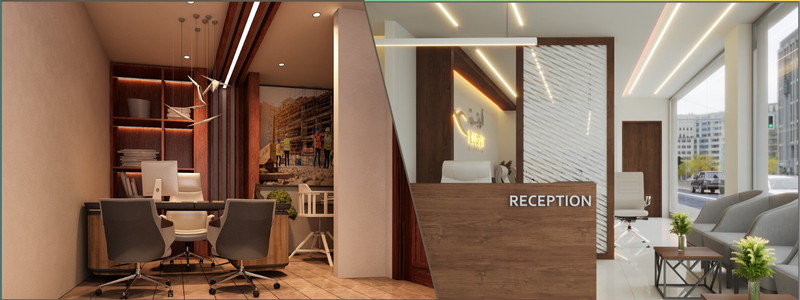
In undertaking a project to redesign an old building, the selection of the ideal architectural design and interior fit-out firms is essential for success. The ideal partners can be the difference between a design that is good enough and one that is greater than expected.
The following are some key factors to consider in selecting an architectural and interior design firm:
- Experience and expertise: It’s critical to engage a firm that has experience with your particular kind of project. If it’s a commercial office building through 3D commercial rendering services, a residential home, or a public building, firms that have experience in your building category are best able to foresee problems and provide creative solutions. Review their portfolio to ascertain that their style fits your vision.
- Collaborative approach: The success of a redesign is based on the coordination between the architectural and interior fit-out teams. A company that promotes collaboration between architects and interior designers can develop a unified vision for the space. When these experts are in sync from the beginning, the process is more efficient and smoother.
- Sustainability practice understanding: If sustainability is your project’s top priority, select an establishment that has some experience in sustainable architecture and interior design. From saving energy, using green materials, to designing space that lets in natural light, firms with green credentials can assist in realizing your green building ambitions.
- Client-focused process: A quality design company will listen carefully to your needs, vision, and budget. They ought to communicate clearly with you, offer realistic schedules, and be transparent in the costs. Customer satisfaction is always paramount, and companies that are customer relationship-focused are likely to deliver a higher level of service overall.
- Project management skills: A successful interior fit-out and architectural re-design requires great project management. The ideal firm will liaise with contractors, suppliers, and vendors to ensure that everything goes smoothly and according to plan. This involves controlling the budget, meeting deadlines, and resolving any issues that may occur during construction or installation.
Conclusion: The transformative power of interior fit-outs and architectural design
The art of redefining current buildings by interior fit-outs and architectural design is an extremely collaborative and creative process. Whether renovating a commercial building or remodeling a historic building, the combination of careful thought and clever execution can totally transform the appearance and atmosphere of the building.
Collaborating with the appropriate architectural design company and interior fit-out experts enables owners of property to realize the entire potential of buildings. From maximising functionality and movement to improving aesthetic appeal, these experts imbue spaces with new life to ensure that each building is better suited for use.
By learning how the roles and contributions of architects and interior designers at Cad Crowd can be combined to make sure your redesigning project ends in a functional as well as an aesthetically pleasing space which enhances the experience of all users who will ever use it, get in touch with us now and ask about your free quote.