
A contractor stands on a patch of dry land holding a roll of blueprints in his hand like a card shark with a deck of cards. A man and woman study the paper in front of them, cocking their heads to the left and then to the right as if the photograph would just be right if only seen exactly the right way. The husband nods uncertainly. The wife smiles kindly, doting over her confusion. She is envisioning a mess of rectangles rather than the cozy family house they are eager to buy.
This is a common dilemma for the majority of homebuilders and realtors, and is something that you definitely shouldn’t ignore. The firm has been peddling visions of someday to be, decades in the form of blueprints, floor plans, and pamphlets. But consumers today, with their heads full of binge-watching television home makeovers and Instagram-perfect bedrooms, require more. They no longer “need to imagine” a home. They want to live it before it exists.
That’s when 3D interior rendering services come to the rescue like a marketing superhero with a hard hat. Cad Crowd is the home of the best freelance interior and architectural designers from around the globe. It takes dull blueprints and turns them into lush, photorealistic environments where clients can walk, explore, and fall in love with. For both realtors and homebuilders, this technology has become one of the greatest superpowers for swaying hearts and selling houses.
🚀 Table of contents
- Why old school marketing is failing
- What 3D interior rendering really is
- Marketing impact and buyer psychology
- How 3D renderings are applied in social media and campaigns
- How Cad Crowd fits in
- Tips when working with rendering specialists
- The future of real estate marketing with 3D rendering
- Common mistakes to avoid with 3D interior rendering
- Real-life accounts of 3D rendering success
- Things you can do to get started now
- Bringing vision to life
Why old school marketing is failing
There used to be a day when shiny brochures and drab blueprints were the ultimate marketing material. An agent can perhaps get to show thicker photos in brochures, and future homeowners will have a hard time envisioning a bright kitchen when all they can see is a dimly lit, half-packed space before them. But with this generation of TikTok home tours and Pinterest-perfect home furnishings, those types of materials now seem archaic.
Human beings are visual. They browse feeds full of beautiful layouts. When a customer sees a flat, 2D floor plan read out to them, one is actually cutting back from a 4K film to a vintage, grainy video game. Properly written text descriptions simply can’t stand comparison to a genuine display of sunlight streaming in over a glossy hardwood floor.
Picture presenting a prospective client with a black-and-white floor plan while their phone is ringing with a holographic cat video. Guess which one they will glance at first. To grab attention and compete in a cluttered marketplace, real estate marketing and architectural design firms need to provide imagery that is as exciting as the media buyers view every day.

RELATED: Full guide: Commercial architectural 3D rendering services for companies & firms
What 3D interior rendering really is
In effect, 3D interior rendering is the process of bringing a plan to life in a beautiful, realistic picture. Designers use super-powered software to create computer versions of a space, from lighting to furniture, texture, and accessories. The picture is so real that most people would not even realize it is not a photograph.
Think of it as a real estate crystal ball. Potential home buyers will be able to “walk” through a new home in the future and guess whether the dinner table will fit, or whether that reading nook gets enough light. Renderings will even reflect multiple times of day or interior design schemes. That sun-filled kitchen at sunrise? No problem. That dramatic, fire-lit living room with shadows dancing in the evening? No problem.
That is where Cad Crowd comes in quite naturally. Cad Crowd bridges the gap between businesses and talented freelance 3D designers and rendering studios from around the globe. If you are a small builder in need of that first client or an agent with a portfolio of high-end properties, Cad Crowd makes it simple for you to find the experts who can produce amazing renderings that make your concept a reality.
Advantages to homebuilders
a. Selling homes before they are constructed
It’s difficult to sell a house that hasn’t been constructed yet; imagine trying to ask someone to purchase a vehicle in which they only get to view diagrams. 3D rendering design services dispense with that act of faith. By presenting a finished, detailed view of the upcoming occupied space to the prospective buyer, you substitute fear with anticipation. Potential home buyers can walk through their dream kitchen or envision a warm evening seated in the completed living room, even before a shovel of dirt is moved.
b. Catching design issues early
We’ve all had the dropped stomach feeling of discovering a “perfect” design decision simply won’t translate in real life. Your on-trend accent color may resemble “angry guacamole” in person. The open shelving simply may not give the room that sense of functionality. Renderings let you find and fix these issues before construction time, saving face, money, and time.
c. Displaying multiple styles with ease
Buyers are fabulously indecisive. They’re looking at coastal cool today and industrial trendy tomorrow. It’s easy to flip back and forth in a 3D model. Showing them several options shows your flexibility as a builder and involves the buyers.
Realtor benefits
a. Standing out in listings
They’re sloppy on the internet, too. Browsing them is like channel surfing on an old TV where all the shows appear to be happening in a beige parlor with Questionable Lighting. A 3D high-definition image does away with all that. It halts the scroll and fixes buyers’ gazes. Rather than straining to see out-of-focus cellphone photos of rooms with the lights lowered, customers are treated to a cheerful, well-lit room that’s cover-of-the-magazine stuff done by interior design experts.
It’s not an option in competitive markets. It’s a must. A pixel-perfect photograph of an adequately lit, tastefully furnished living room tells the buyer that you, the listing agent, are serious about your listings. It’s a show of professionalism, quality, and attention to detail. And buyers notice.
b. Faster buyer decisions
Every agent has had the serial browser—the client who schedules back-to-back appointments, asks the same questions, but will not commit. Patience is involved in the job, but incessant calling wastes precious time and energy that can be concentrated on other customers. Very detailed 3D rendering leaves no possibility for uncertainty. Purchasers can examine a house online, analyze the pictures as often as they desire, and be ready to make an offer at an appointment.
c. Virtual staging magic
Conventional staging entails renting furniture, hiring movers, and praying for good weather during the photo shoot. All that hassle disappears with virtual staging by 3D rendering design experts. With the touch of a few mouse buttons, an empty space is transformed into a beautiful room that stimulates the imagination of the buyer.
This is especially powerful on vacant or rundown homes. Instead of making the purchasers envision possibilities in a vacant room, you present a complete vision. And as a bonus, you can quickly switch styles for other markets—modern, country, traditional—without ever having to pick up and move one actual, real sofa.
Marketing impact and buyer psychology
Human beings are storytellers by nature, and those stories materialize in images. An intended buyer does not merely imagine a dining room table from a sketch. They see holiday dinners, laughter, and clinking glasses on the horizon. They see future Sunday brunches, family dinners, or other cozy gatherings. That attachment is powerful.
Psychologists are aware that individuals travel by emotion first and then rationalize. A stagnant floor plan will not pull at the heartstrings. An accurate, life-like drawing will. It causes the buyer to consider putting themselves into the property and forming a personal attachment to a property before they ever do so in life.
A superior-quality rendering can also instill a sense of urgency. If consumers develop a bond with a property, they do not want it to fall into the hands of another buyer. Such an unconscious psychological effect can speed up the selling process.
RELATED: Interior design drafting: Undeniable advantages of CAD drawings for design firms
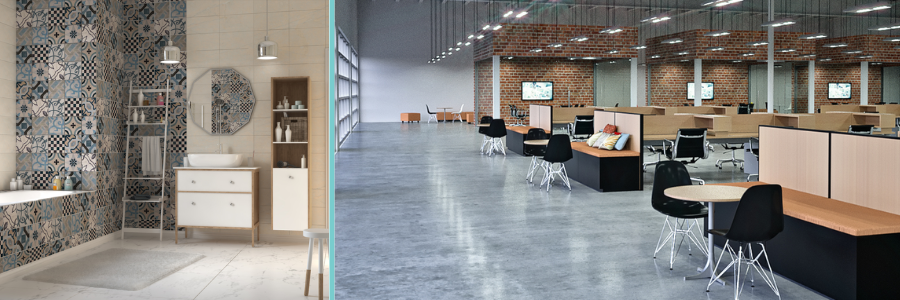
Social media continues to be an out-of-the-box real estate marketing tool. A single photo of an amazingly rendered kitchen on Instagram can garner likes, shares, and calls tens of times more than a bland listing. Experiment with before-and-after slide shows: left, a mere draped floor plan; right, a filled-in 3D rendering of a living room to the nth degree. Your audience will swipe, gasp, and share, which is great for your interior design firm.
Glide videos or 360-degree walkthroughs work well for Facebook and TikTok. A glide video captured over a beautiful rendered background will be more effective than another new dance challenge virus. Use these visualizations in email, landing page, and web ads to present an integrated, professional brand image.
For printed advertisements, 3D photography can be used for the same effect. A glossy publication with a photorealistic image will trump traditional photography, particularly if the physical asset has yet to be constructed.
Cost and efficiency advantages
Selling actual homes requires costly staging and photographing them. Renting furniture, reservations, and professionals costs a lot. And, of course, there’s always that one unadulterated disaster element – the cat who won’t budge from the couch for the photo opportunity or rain messing up outdoor shots.
3D interior rendering erases all those headaches for architectural design experts. Experiment with various sets of furniture, light setups, and designs with a virtual model without incurring additional expenses. Want to render the same living room in three different décor schemes? No problem at all. Want to include a view of sunset through the windows? No problem at all.
This efficiency is well worth it, particularly on big projects. Rather than splitting multi-unit staging, you can produce several renderings that are representative of the scope and potential of the entire project. Savings can be huge, and the outcomes generally end up better looking than actual-world photographs.
How Cad Crowd fits in
You may be by now persuaded that 3D interior rendering is vital, but concerned about who the experts are going to turn up and do the pretty pictures. That is where Cad Crowd comes in to assist you.
Cad Crowd is the go-between who brings you into contact with pre-screened freelance CAD designers and 3D rendering specialists from all over the world. You can sort through portfolios, view ratings, and select the best one that suits your taste and budget. Whether you’re a small contractor trying 3D rendering for the first time or a seasoned realtor trying to bring some sparkle to your listings, Cad Crowd gives you access to those who know how to interpret design concepts and real estate marketing.
Cad Crowd has the benefit of being eclectic. You can have artists who are experts in minimalist, some who are traditionalists and can create sophisticated designs, and even whimsical and eclectic ones. With these professionals working for you, you can be assured that your marketing material successfully portrays the personality of your brand as well as resonates with your target audience.
Tips when working with rendering specialists
Engaging a professional renderer is exactly that, naturally. To get the most out of the working relationship, keep in mind:
- Collect visual inspiration: Create a mood board of color palette, texture, and furniture aesthetic. This will leave your designer in no uncertainty as to what you’re after.
- Create lighting: Lighting design services ensure the right ambiance. Make up your mind whether you like harsh midday sun, warm sun at sunset, or dramatic shadows.
- Ask multiple angles: Take multiple shots of the principal rooms so that the whole image is covered for buyers.
- Provide constructive criticism: If it doesn’t feel quite right, say why. Rather than a general “I do not like it,” say “The color of the sofa is too cold for the mood I am seeking.”
- Set specific timeframes: Set deadlines and revision limitations prior to work commencing to prevent delays.
Cooperation and willingness to the process of working will yield more-than-anticipated drawings.
The future of real estate marketing with 3D rendering
Technology evolves at light speed, and real estate marketing is not exempt. Think of a prospective purchaser in an Internet cafe sporting a high-tech virtual reality headset, looking at a yet-to-be-built house. Or augmented reality software, so that shoppers can “place” an electronic kitchen island into a room roughed out to determine where it will be situated by interior design services.
Artificial intelligence is on the agenda, too. Rendering software based on AI can easily come up with color palette alternatives, furniture arrangements, and even structural members in a matter of seconds, with more room for decision-making flexibility than ever before. Future potential may even include interactive renderings that adjust in real time based on buyers’ expressed likes.
Those who get used to 3D interior rendering today will be well placed to welcome such new technologies. CAD design services being able to offer immersive experiences will be normal and not an exclusive right.
Common mistakes to avoid with 3D interior rendering
Even the best equipment can be misused. One of the most frequent mistakes is to over-rotate a rendering and make it too real. Buyers love beautiful pictures, but they also love reality. A room that is impossibly perfect will be a letdown when the real house isn’t quite so perfect. Adding little realistic touches—a rumpled throw blanket on the couch, a cup of coffee on the coffee table—makes a rendering realistic.
Another frequent mistake is failing to triple-check proportions. A sofa that appears to be proportional on a drawing, but which would overwhelm an actual living room, can be deadly to credibility. Triple-checking measurements and honest communication with your designer can avoid this. Lastly, don’t reuse the same rendering on every listing. Buyers will catch on when different houses mysteriously have the same furniture configuration and wall paintings. Renderings specific to each home preserve credibility and show attention to detail.
Real-life accounts of 3D rendering success
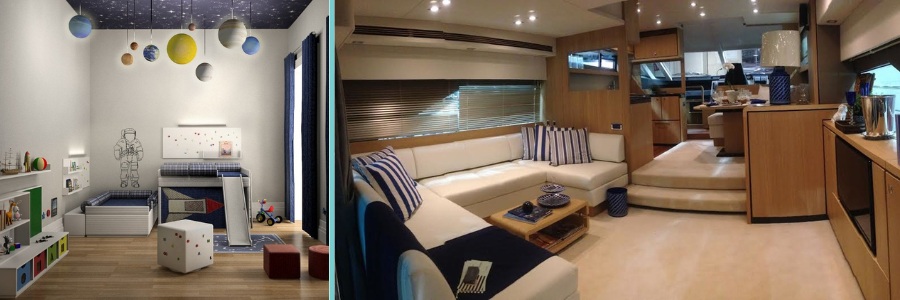
Assuming a sub-developer of a small home has a lackluster pre-sales effort for a similar suburban development. Floor plans were good, but no one took the time to respond from the buyers. The developer hired a freelancer from Cad Crowd, and in no time, the company issued a series of photorealistic renderings of warm kitchens and warm bedrooms. Social media frenzy ran wild overnight, questions doubled overnight, and some of the units sold overnight before the first shovel was even broken ground.
One of the stories is about an agent who only dealt with older homes. Her houses were mostly empty and hard for people to visualize as furnished. With virtual staging services using historically sympathetic furnishings, she doubled the number of visitors at her open houses. A couple who had crossed a house off their list previously returned after visiting the virtual staging and offered on the house the same day.
These images demonstrate that we don’t have to shell out a million on marketing in order to reign supreme. Small property companies, independent agents, and expanding house builders can beat the big companies by employing smart, photo-realistic renderings.
RELATED: How architectural CAD drawings help modern design and construction companies
Things you can do to get started now
If you are willing to take a step towards 3D interior rendering, the following are a few things to begin on the journey:
- Evaluate your needs: Identify what properties or developments will gain the most from renderings. Begin with a few listings to test the effect.
- Establish a budget: Identify how much money you can spend on rendering services. Keep in mind that digital staging is cheaper compared to traditional staging.
- Scavenge Cad Crowd: Scavenge Cad Crowd’s directory of freelance designers and agencies. Browse portfolios to identify a style that would suit your brand.
- Round up your stuff: Round up floor plans, measurements, and reference or style photo requirements. The more information you give us, the better the final product.
- Sync up your marketing campaign: Utilize your new renderings on internet postings, social media, flyers, and e-mail newsletters. Monitor engagement and inquiry to gauge success.
By performing this, you ensure that your investment in 3D architectural rendering services will mean tangible results.
Bringing vision to life
In the busy real estate world of today, pictures are everything. Homebuyers no longer wish to view fuzzy pictures or questionable floor plans. They must be able to see, touch, and connect with a home before they view it.
3D interior rendering delivers that instant connection. It facilitates pre-selling homes. Homebuilders can pre-sell homes, realtors can stand out from millions of listings, and buyers can be brave enough to make a snap decision. From avoiding costly design mistakes to creating shareable social media images, the benefits are evident. Cad Crowd stands at the top as the freelance marketplace of choice for CAD, architectural, and engineering design.
If you are willing to take your marketing to the next level and bring properties to life, visit Cad Crowd for professional 3D interior rendering. Scout through skilled freelancers and businesses that will turn your idea into reality with engaging visuals. With the right professionals in your corner, your next listing won’t just turn heads; it will win hearts and seal deals. Get a quote today.