3D

motor-blower-assembly

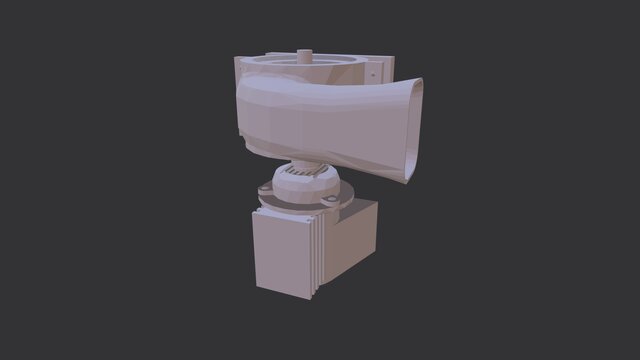
A motor–blower assembly consists of an electric motor coupled with a blower (fan or impeller) to generate and control airflow for ventilation, cooling, heating, or material handling applications. The electric motor provides rotational power, which is transmitted directly or through a coupling to the blower impeller.
The main components of the motor–blower assembly include:
Electric motor – AC or DC motor that drives the blower
Blower impeller – Centrifugal or axial type, responsible for air movement
Housing / casing – Guides airflow and improves efficiency while reducing noise
Motor shaft & coupling – Transfers torque from motor to impeller
Bearings & seals – Support rotating components and ensure smooth operation
Mounting brackets / base frame – Provide structural support and alignment
Inlet & outlet ducts – Direct airflow into and out of the blower
Protective guards – Ensure safety during operation
Working Principle
When electrical power is supplied, the motor rotates the shaft, driving the blower impeller. The rotating impeller accelerates air, creating a pressure difference that draws air in through the inlet and discharges it through the outlet at the required flow rate and pressure.
Files (1)
License:
CC - Attribution
Learn more
Published
in
CAD Design