3D

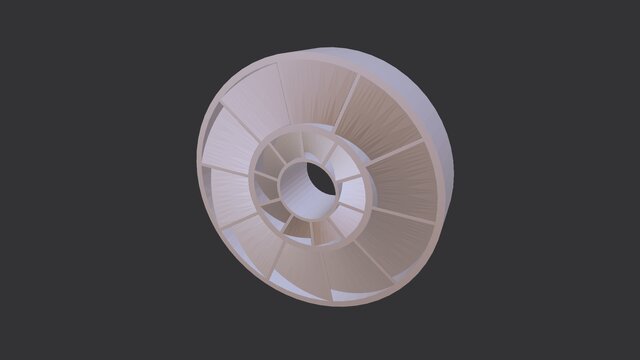
dualswirler


A dual swirler is a combustion flow device that uses two concentric swirl generators, typically an inner and an outer swirler, to impart controlled angular momentum to incoming air before it enters the combustor. It is widely used in gas turbine combustors to enhance fuel-air mixing, stabilize the flame, and reduce emissions.
In a typical configuration, the inner swirler produces a strong swirl to create a central recirculation zone (CRZ), which helps anchor and stabilize the flame. The outer swirler supplies additional swirling air to improve mixing and shape the overall flow field. The swirl directions can be either co-rotating or counter-rotating, depending on the desired flow structure and stability characteristics.
Dual swirlers are commonly employed in modern low-emission combustors, such as those used in aircraft engines and industrial gas turbines, including designs developed by companies like General Electric and Siemens Energy, to achieve lean premixed combustion with improved efficiency and reduced NOx formation.
In summary, a dual swirler enhances combustion performance by:
Improving fuel-air mixing
Creating stable recirculation zones
Controlling flame shape and stability
Reducing pollutant emissions
Files (1)
License:
CC - Attribution
Learn more