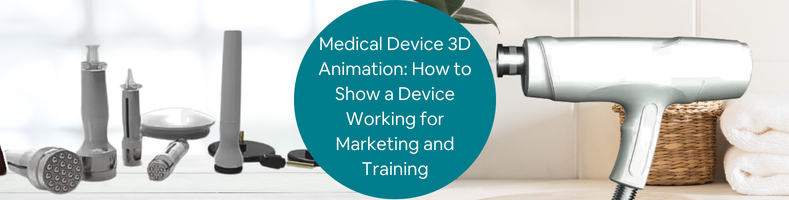
Medical device 3D animation makes it easier to visualize how a medical device works by converting an existing CAD file into a highly precise 3D rendering services. Some device mechanisms and anatomy cannot be seen or are difficult to capture with photography alone. Through medical device 3D animation, it’s easier to see the device’s internal and hidden components and how they interact with the human body.
This type of animation can be used for educating patients, conducting product demonstrations, marketing, training, and other applications or situations that require a visual explanation. To create a compliant medical device 3D animation, you have to team up with specialized freelance animators who can do the job for you. Cad Crowd is a great place to find these talents who can make a highly effective clinical visual of your medical device.
🚀 Table of contents
RELATED: Advancements in 3D Visualization Services for Medical Device Prototyping Companies
What is Mechanism-of-Action (MoA) animation?
A normal camera cannot capture what a medical device does when it is inside the body or while it’s being used. Turning engineering models into 3D visuals allows manufacturers to provide a visual explanation of what the device does. This is particularly important as it helps with the development of the product and the subsequent marketing campaigns.
For example, doctors insert some surgical tools into the body through small incisions. Another example is when a stent goes inside a blood vessel. Through 3D animation services, you’ll see where the device goes, how it moves, and what happens when it’s inside the body. What sets medical device 3D animation apart from a regular product animation is that it should be scientifically and medically accurate. Here are examples where MoA animation can be used.
Vascular stents and blood vessel procedures
After inserting a stent into a blood vessel, it’s impossible for doctors to watch what’s happening inside the body. A 3D animation can show the device opening the blood vessel and moving through it, as well as how it affects the flow of blood. The animation allows the sales team and doctors to get a clear idea about the overall function of the device.
RELATED: How 3D Modeling Is Revolutionizing the Healthcare Industry for Companies and Medical Experts
Orthopedic implants
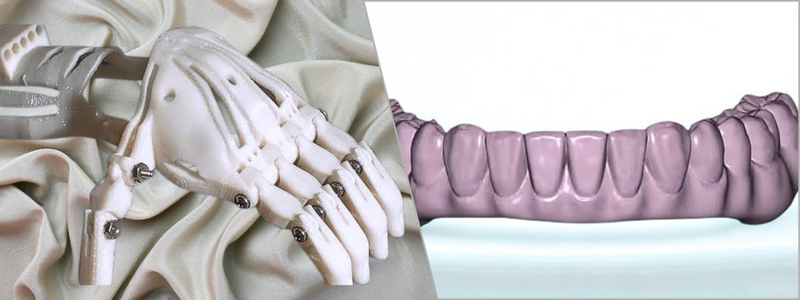
Bones and tissues can benefit from spinal cages, bone screws, joint implants, and other orthopedic devices. A 3D animation shows the location and effect of these devices on the bone. In addition, the animation can show how the device connects with implant surfaces or how the bone grows around it. Furthermore, it’s easier to understand everything when you are watching an animation instead of simply looking at a picture of the device.
Robotic surgical systems
A 3D animation design services shows how the control system, cameras, robotic arms, and surgical tools of robotic surgical systems work together. It can show how the device is being controlled by the surgeon or how the arms move and where. The animation gives the medical team a better idea about the operation and uses of the device before they buy it.
Minimally invasive tools
3D animation can provide a visual representation of what is occurring inside and outside the body during an operation. It’s easier to train the medical staff as well. For example, they can watch an animation on how to close a wound using a medical stapler. Since they can see how the device works, it reduces the learning curve for them. This is particularly beneficial when they have to learn how to use a new device.
RELATED: Designing New Medical Products & Devices: A Step-by-Step Guide for Your Company
Sales and trade shows
Sales and trade shows can play an animation of the product that they are offering to grab customers’ attention without explaining every detail. For sales representatives who want to promote their devices to customers, hospitals, or doctors, they can present a short animation of the product during the meeting.
Patient education
3D animation can show patients what they can expect during the surgery. The animation will give them an idea of where the device will go and what it will do. Since the animation uses clear language and pictures, they will be able to understand the surgical procedure better.
What is the accuracy-and-compliance workflow?
The information about the device that is shown in the animation must be accurate and based on a reliable source. The animation should not include any false promises. To do that, the animator must ask for the original CAD file and product drawings. They also need to get the original medical scans and other data from the device manufacturer. After that, the engineers and doctors can review the animation and check whether all the details, including the device’s anatomy and movement, are presented accurately.
RELATED: What Types of 3D Rendering Services Do Product Design Pros & Industrial Design Firms Offer?
How do animators use CAD and medical scan data?
The CAD file that will be used for the animation may be generated from different programs like Autodesk Inventor, SolidWorks, and PTC Creo. Animators may also use data from MRI, CT, and other medical scans to show anatomy. The 3D CAD modeling services will be cleaned up and simplified to ensure that it is ideal for animation. That way, the animator can make sure that the virtual version of the medical device that is being shown in the animation will look like the real one.
What software is used to make medical 3D animations?
Here are software options that are usually used when making medical 3D animations:
- Autodesk Maya – Autodesk Maya is perfect for animating moving objects and different body parts like the muscles and bones. It can be used to make realistic effects and movements, which can be beneficial when the animation must show how organic parts or body tissues move.
- Blender – This software is ideal for those who want a flexible 3D workflow. It has other uses too, such as modeling, animation, rendering, and adding or adjusting lighting. You can also add scripts to automate some tasks.
- SideFX Houdini – You can use SideFX Houdini if you want to create complex visual effects for biological processes like moving particles and fluids.
- Maxon ZBrush – You can use this software to create an anatomy animation. It can create realistic blood vessels, bones, and organs, which is beneficial when you want a detailed animation of a certain body part or device.
- KeyShot – KeyShot allows you to turn an existing CAD model into animations and images with realistic visual effects. This software is particularly useful for animating plastic, glass, or metal medical devices. KeyShot can also be used to create an exploded view of the product to make it easier for the viewer to understand the placement of each component inside the device.
- Unreal Engine – Unreal Engine allows you to create an interactive 3D modeling design services. It’s useful for VR experiences, interactive demonstrations of products, and training programs.
Who can check the medical animation for accuracy and compliance?
Since there is always a possibility that medical animations could be used for planning surgeries, educating patients, promoting medical devices, and FDA submissions, it’s important for this type of media to be precise. A seemingly insignificant error may cause problems or confusion during regulatory reviews. The animation may be reviewed by the following experts for accuracy:
RELATED: The Faster, Easier Way to Develop New Medical Devices
- Doctors and surgeons – These professionals observe where the medical device is placed and where the incisions are made. In other words, they ensure that the animation accurately shows what actually happens inside the operating room or hospital.
- Biomedical and device engineers – These professionals ensure that the animation matches the original product information and CAD file. The animation should show the actual shape and size of the medical device. It should also demonstrate the product’s moving parts. For example, the animation should show how a device expands inside the body if it’s designed to do so.
- Medical illustrators and visual directors – These professionals check the overall look of the animation, including the lighting, size, and camera angles. In addition, they ensure that the animation is easy to understand and will not give viewers the wrong idea or impression.
- Regulatory and legal teams – It is important for the animation to be reviewed by a regulatory and legal team, especially when it’s meant for regulatory or marketing purposes. These teams ensure that the animation matches the approved Instructions for Use or IFU and product information.
Furthermore, regulatory and legal teams ensure that the animation doesn’t show misleading claims or data. Only claims that are proven scientifically or supported by medical evidence should be included in the animation. False claims or exaggerating the benefits or uses of the device should be avoided.
Reviewing the animation as early as possible is also crucial, as it gives the entire team enough time to fix mistakes. For example, if they notice that a body part was shown at the wrong timing or frame, the animator can fix it right away. If the camera angle is wrong, they can adjust it immediately. Other visual elements such as the lighting and texture of the materials can be adjusted too. The best thing about doing it this early is that the animator does not have to start all over again or redo the entire animation.
RELATED: How a 3D Product Animation Service Can Boost Your Marketing Efforts
How do you review a medical animation?
To review a medical animation services, it is important to gather all data that will be needed for the animation. This includes the CAD file that was used to create the 3D visual of the device. All medical references, such as CT scans, must also be gathered. After completing the storyboard, the animator will connect with professionals such as doctors and engineers to review the details and ensure that everything is presented accurately. Their approval is required before the animation can be used for marketing, educational purposes, or other reasons.
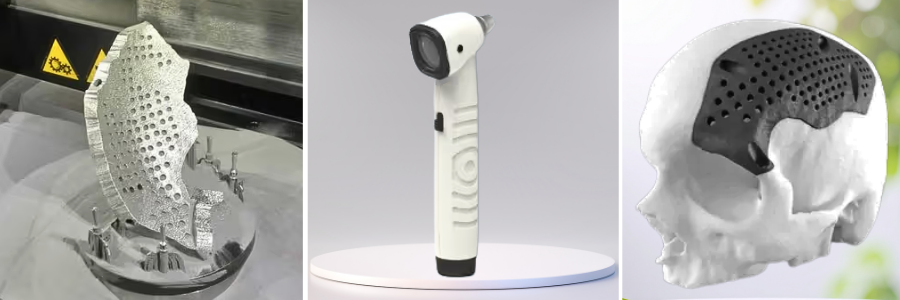
They will check the camera views, medical device, anatomy, and movements of the device. The legal and regulatory team will also verify medical claims to ensure that the animation doesn’t make unapproved claims. The animator will then make adjustments and fix any issues that were identified during the review. Once the animation has been reviewed and approved by the right people, it can be disseminated for its intended purpose.
Why does accuracy matter so much?
Accuracy matters a lot when it comes to medical animation because people will rely on the information that they see to understand what the product can do. The best 3D medical design services is a good combination of clear visuals, correct anatomy, careful review, and precise engineering.
RELATED: How a 3D Product Animation Service Can Boost Your Marketing Efforts
In other words, medical work requires ISO-standard accuracy, clinical review, and marketing claims approved by regulatory requirements. This is one of the main differences between a regular product animation and medical animation. The latter must be scientifically correct, and that is why you need to find vetted specialists who can create accurate medical animation.
Medical device 3D animation use-case comparison
| Use Case | Target Audience | Main Visual Objective | Compliance and Regulatory Focus |
| Mechanism of Action (MoA) | This type of animation is ideal for investors, physicians, and researchers. | The main goal is to give the target audience an idea about internal biophysical and microscopic interactions. | FDA indications for use and fair-balance claims. |
| Sales and trade shows | Medical animation can be presented to clinicians and hospital procurement during sales and trade shows. | Medical animation in sales and trade shows aim to emphasize clinical value proposition and capture people’s attention. | IP Protection and marketing claims that can be checked and verified |
| Training clinicians and staff | Surgeons, field representatives, and nurses can be trained using medical animations. | The main objective is to create a standardized step-by-step surgical procedure and set up a proper workflow. | ISO 13485 documentation and surgical safety |
| Educating patients | Medical animation can be used to educate advocates, patients, or caregivers about a medical device. | The animation helps explain surgical procedures and post-operation expectations. | Non-graphic visuals and clear and easy to understand language. |
Where are medical device animations shown for maximum impact?
Medical animations can help improve clinical retention, expedite technical evaluation, and attract buyers. Here are the most common settings where medical animations are used.
Conference booths and trade shows
Booths can use a looping 3D animation to increase attendee engagement. This animation helps drive foot traffic into their exhibit space.
Revolutionary 3D Prosthetic Design Services for Companies to Consider for Accessibility
Digital advertising and multichannel campaigns
Digital advertising and multichannel campaigns can use short animation clips to promote devices or products to digital publications and networks. The animation can also be used to convince viewers to visit a landing page that contains the full-length MoA animation of a product.
Operating Room (OR) in-service displays
Surgical teams can watch procedural animations on operating room monitors to check important docking sequences and assembly before surgery. This helps reduce errors when setting up complicated instruments.
Investor decks and pitch presentations
High-fidelity medical 3D animations are usually used by medtech startups to present their product to venture capitalists and investors before clinical trials start. The animation helps investors understand the market potential and value of the product.
Frequently asked questions
What is the difference between consumer product animation and medical device animation?
Compared to consumer product animation, medical device animation requires precision and should accurately show the design and operation of the device. Animators can get information from medical professionals, engineering CAD files, and data from medical scans to verify the accuracy of the information that they currently have before they start making videos.
How much does a professional medical device 3D animation cost?
The cost of a professional medical device 3D animation depends on different factors, including how long the animation takes to complete, the complexity of the anatomy or device, the amount of review needed, and how you want to present data. Working with freelance 3D animators from Cad Crowd can help you save resources without compromising on the quality of animation.
What files do animators need to start a medical device 3D animation?
You need a CAD file so that you can create a medical device 3D animation. If you hire an animator, you may also need to give them the brand guidelines and specs of your products. You may also need to provide a 3D anatomy model or DICOM scan if you want to include human anatomy in your animation.
How long does it take to produce a compliant medical 3D animation?
If you want to make a medical device animation that is 2 to 3 minutes long, expect it to take around 1 to 2 months. The animator will clean up the CAD file, make the storyboard and ask for approval, check all medical information, review drafts, and modify what needs to be altered.
Can 3D medical animations be used directly in FDA submissions?
Medical animation makes it easier for viewers to understand complicated mechanisms and device designs. However, whether you can include it in a regulatory submission or not depends on regulatory and submission requirements.
Conclusion
Medical device 3D animation turns complex CAD files into visuals that can be easily understood at a glance. It is beneficial for regulatory submissions, marketing, and clinical training. By working with an expert 3D artist, you can ensure that your animation will be accurate and look professional. Ready to show off your medical device? Browse Cad Crowd to connect with freelance 3D animators and freelance CAD designers who specialize in creating detailed medical device visuals.
Top 51 Medical Device Design Companies for New Prototype Engineering Services in the US
How Cad Crowd can help
Cad Crowd connects medical device companies, healthcare professionals, and product developers with skilled 3D artists, CAD designers, and medical visualization specialists. These professionals can turn medical device concepts, CAD files, technical drawings, and medical scan data into accurate 3D animations for clinical training, patient education, product demonstrations, and regulatory presentations. Whether you need to explain a device’s mechanism of action, demonstrate a surgical procedure, or showcase a new medical technology, Cad Crowd can help you find the right expert for your project. Contact Cad Crowd today for a free quote.