Even before the concrete and steel structure, the beginnings of commercial buildings start off as ideas, budgets, timelines, shared goals and expectations, and multiple revisions along the way. As the project moves from the early sketches to planning the first site visit, things can get really confusing and complicated fast.
This is how 3D architectural rendering services can make a difference. They’re not just about making a project or development look nice. Renderings can help the entire team, and even the clients and suppliers, to see and understand the project concept. When the vision is presented clearly, decision-making is faster, communication improves, and costly surprises are avoided. For architects and contractors, renderings turn abstract ideas into visuals that are realistic.
Below are five practical ways renderings add value to commercial projects, present development plans clearly and simply.
🚀 Table of contents
Way 1: Renderings translate technical drawings into easy-to-understand documents
Architectural drawings are precise and accurate. However, the majority of people outside architectural design experts are unable to read it. Clients are not familiar with floor plans, sections, or even elevations. Even if experienced contractors or builders can read them, they can still benefit from seeing the complete picture.
Renderings translate technical information and details into a visual representation of how rooms are connected, how materials work together, and how the space will look and feel from an actual person’s perspective. Instead of having to interpret notes, lines, and symbols, everyone can see the final project in its entirety.
This shared understanding helps prevent misalignment and miscommunication problems in the future. Clients ask better and clearer questions. Contractors and builders can spot challenges sooner. More importantly, architects spend less time explaining and clarifying and more time on improving the design. With everyone relating and responding to the same visual reference, discussions stay focused and become more productive.
In most cases, renderings can replace several back-and-forth meetings, saving both time and resources before the actual construction begins.
RELATED: 3D rendering artists: What sets apart CGI specialists & talented freelance experts
Way 2: They build client confidence without overpromising
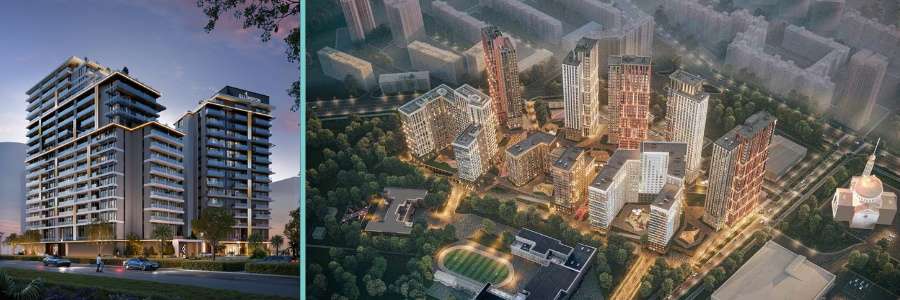
Commercial projects require a lot of trust from clients who are committing significant amounts of money to something that has not been built yet. 3D rendering design services help make clients feel confident and secure about their investment by showing a clear and honest picture of what the project is meant to look like with realistic materials, accurate scale and proportions, and believable lighting.
When the project is clearly explained in detail, the better chances for approval by the client, especially when they feel more informed and involved, instead of pressured. As a result, the client feels a sense of ownership instead of constantly second-guessing their decisions in the long run.
Renderings also provide protection to architects and contractors by presenting detailed visuals together with drawings and specs, which can prevent any misunderstandings and potential disputes caused by misinterpretation and miscommunication. When everyone is on the same page and sees the same vision, trust and confidence towards the project grow.
Way 3: They allow seamless team collaboration to avoid costly revisions
Commercial projects require coordination among architects, engineers, contractors, consultants, project managers, and even suppliers. Having a shared visual reference can prevent assumptions from blowing up into major issues. Renderings provide a common point of reference for everyone involved. Contractors can assess the building process. Engineers spot potential conflicts earlier. Architects are able to evaluate whether the original design concept holds up in reality.
Technical drawings alone do not often reveal any issues the same way as a project render. Space and proportions may work on paper, but possibly turn out to be imbalanced or cramped in the actual perspective. Pathways for natural movement may function in theory, but feel awkward when experienced in real life. Materials that seem functional and logical in terms of elevation may feel harsh and abrupt when seen together.
Catching these issues and concerns earlier can save time and money for architectural design firms. Changes made during the design stage are far less expensive than making corrections and fixes during the construction stage. Renderings allow the team to pivot and solve problems earlier, while solutions, replacements, and improvements are much easier and cheaper.
These renderings can also drastically reduce the number of meetings required to clear up or resolve any confusion. One clear and well-prepared visual can answer any question that might otherwise take hours to explain.
RELATED: How 3D artists elicit emotions with stunning architectural rendering & visualization services
Way 4: They improve presentations, strengthen marketing efforts, and fast-track approvals
Commercial renderings improve communication both internally and externally, allowing for more efficient messaging to everyone outside the core team. Presentations are clearer and easier to understand. Marketing efforts become more credible and effective. As a result, the process of approval becomes faster and smoother.
For client presentations, renderings guide the discussion. Instead of going through every single detail and feature, presenters can highlight an item, explain its purpose and process, and invite client feedback. This way, stakeholders feel more comfortable and confident to engage in the conversation because they can understand and relate to the visuals.
In terms of marketing, renderings can assist in boosting interest in the project before the construction starts. Developers utilize them to attract potential investors and future homeowners or tenants. In fact, architects and architectural planning and design firms use renderings to showcase their design thinking process and how they can tackle and solve problems. Contractors use renderings to demonstrate their understanding of the finished space, and not just the construction process.
Approving boards, planning bodies, and review panels also respond better to clear and concise visuals. They often focus on the impact of a commercial project and how it fits into the surrounding environment. Renderings that show real context, including streets and neighboring structures that are to scale, make reviewers feel confident and reassured that the project is well-designed and thoughtfully planned.
Clear communication results in smooth and seamless momentum in terms of keeping to the project schedule. Fewer misunderstandings mean fewer days before the project can be completed. Clarity in terms of visuals becomes a competitive advantage for the proponents of the project.
Way 5: They create a lasting and long-term impact beyond the current project
Commercial renderings are not one-time, single-use, disposable assets. Their value lasts even beyond the initial presentations and approvals. Firms reuse these renderings for future proposals, portfolios, case studies, and other marketing materials. Over time, these visuals tell a consistent story about a firm’s philosophy, approach, adherence to quality standards, credibility, work ethic, and, of course, expertise.
3D commercial rendering services remain useful even after construction. Property managers use them as a reference for homeowner orientation materials. Leasing teams use them to explain spaces to prospective tenants. Designers use them to evaluate and reflect on how closely the finished project matches the original vision.
Most importantly, renderings cultivate and support better and improved design thinking and decision-making. When ideas are clearly and visibly communicated, teams can analyze and evaluate them more honestly and effectively. Weak points are exposed faster. Improvements feel easier to implement. This quick feedback loop leads to stronger projects with better quality while also reinforcing and encouraging better design practices in the industry and the profession. Thus, return on investment reappears regularly and in ways that firms did not expect or anticipate at the beginning of the project.
How renderings help teams make better decisions under pressure
Commercial projects move fast and are under constant pressure from tight timelines, changing budgets, and stakeholders’expectations. Renderings help reduce stress by supporting these decisions with visible and concrete references. With limited time and tight deadlines, uncertainty becomes expensive. A rendering allows teams to compare and evaluate options faster using visible proof. There’s no need to argue about abstract ideas. In the long run, decision-making is faster without sacrificing any type of understanding. No guesswork or hesitation means moving forward quickly with purpose.
Contractors and architects can benefit from this arrangement because clearer decisions and approvals tend to stick closer to the original design. Clients benefit because they feel informed and not rushed in a normally high-pressure environment.

Aligning the design idea with the construction executions
One common challenge in commercial projects is ensuring that the design vision is reflected in the finished building. Drawings explain what to build, and schedules explain when. 3D rendering experts help everyone agree on how the space should feel once it’s done.
By visualizing the finished result early, contractors can spot where construction choices might affect appearance. Architects can also see whether the design’s mood and atmosphere translate as planned. If something feels off, changes can be made before they become expensive or disruptive because materials have already been ordered and systems installed all over the project.
This early alignment helps avoid friction later. Contractors avoid last-minute visual and aesthetic concerns. Architects preserve the quality of the design without diluting the idea. Everyone stays focused on the same end goal.
Enhancing communication with non-technical audiences
Not everyone involved in a project understands the language of construction. Investors, homeowners, community members, and future tenants respond more to what they see than to technical drawings. Renderings make these conversations clearer and more inclusive. When people can see a proposal, they’re more comfortable sharing feedback, asking questions, and expressing personal preferences. Expectations are naturally aligned.
For architecture design experts and builders, this clarity builds trust. It shows transparency and respect for the audience. In public-facing projects, it can also reduce resistance by helping communities understand how a building fits into its surroundings.
Supporting sustainable and context-sensitive design
Sustainability and context aren’t optional anymore because renderings help show how those ideas actually come together. They allow teams to evaluate daylight, shading, materials, and landscape choices in one view. Sustainable features feel intentional, not tacked on. Renderings also show how a building relates to nearby streets, structures, and natural elements. This helps teams determine and ensure that scale and visual balance are achieved. Clients notice this thoughtfulness. Clear visual communication around sustainability builds confidence and credibility.
Strengthening brand identity through consistent visual language
Renderings also contribute to brand identity. Over time, the style, quality, and consistency of visuals reflect values and design priorities, and it becomes an essential part of how the company or firm is recognized within the industry.
Consistent renderings signal care and professionalism, no matter the project size. For architects, renderings clarify the design thinking process. Contractors/builders, they show pride in the finished result. Together, they communicate a strong shared commitment to quality and excellence.
Brand identity matters when competing for projects and contracts. Clear, confident visuals help firms stand out clearly and confidently without relying on big, unrealistic claims.
RELATED: Why you need lease outline drawings: A guide for architectural design services
Expanding capacity without expanding overhead
Another advantage of commercial rendering experts is flexibility. Projects have different scopes and complexity, and internal teams can’t always scale instantly. Working with freelance rendering professionals gives firms access to specialized skills when needed without adding to existing overhead. This is especially helpful during busy periods or when embarking on new projects. Architects and builders can stay focused on their core work, while trusted visualization experts handle presentations reliably. The result is better efficiency and consistent standards.
Bringing it all together
Architectural renderings help builders and design firms communicate ideas clearly, earn and build trust, work better as teams, create lasting value, and make stronger decisions. They turn complex ideas into something everyone can understand clearly. In an industry focused on alignment and confidence, renderings are not merely optional enhancements. They are essential tools that support better decisions and stronger relationships.
For firms seeking talented professionals who specialize in commercial renderings, Cad Crowd offers a trusted platform to connect with experienced freelance designers and visualization experts. By browsing Cad Crowd, readers can find and hire skilled creatives who are ready to bring architectural visions to life with clarity, professionalism, and precision.
Cad Crowd offers a trusted platform to connect with other like-minded, skilled freelance designers and visualization experts who are more than ready to bring architectural ideas to life clearly, realistically, and at a professional level. Request a quote today.