

Parametric Kitchen: Retrofitting a Mini Chopper for Small-Batch Baking

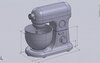
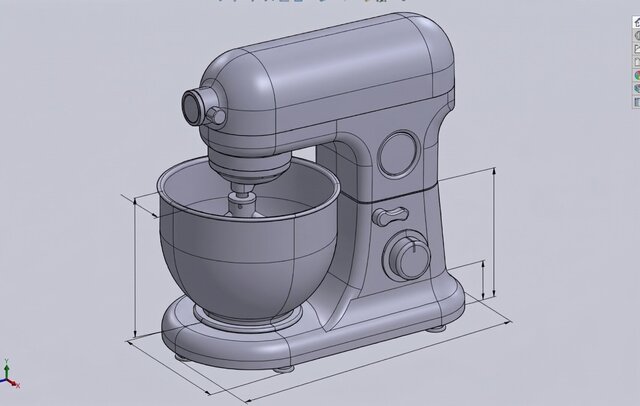
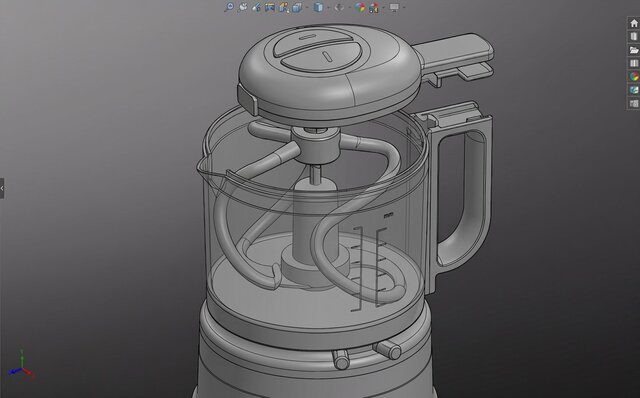
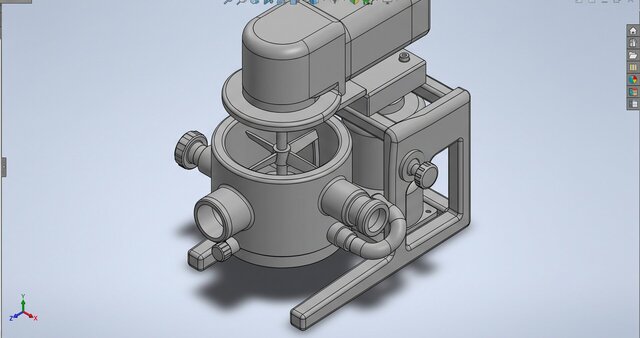
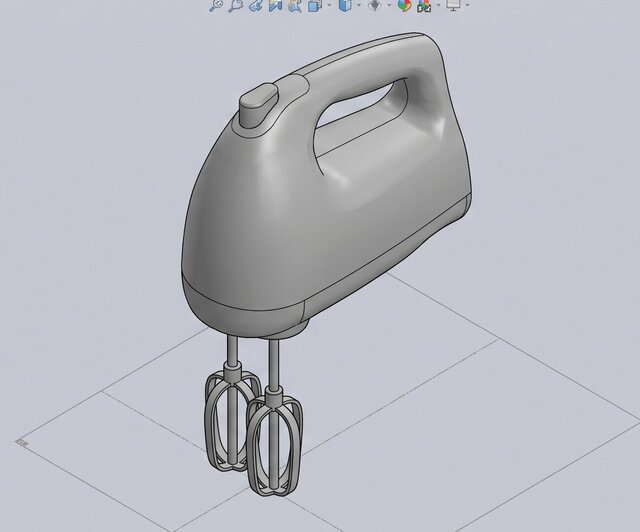
An industrial design and reverse-engineering project focused on expanding the utility of single-use kitchen appliances. This project transforms a standard KitchenAid Mini Food Chopper into a small-batch dough mixer by replacing the factory cutting blade with a custom, 3D-printable kneading attachment.
The Challenge
Compact food processors are ideal for small kitchens but are strictly limited to chopping and pureeing. Home bakers making small-batch doughs (like single personal pizzas or small pasta batches) are forced to either knead by hand or invest in a bulky, expensive stand mixer. The goal was to design an aftermarket attachment that leverages the chopper’s existing high-torque motor to fold and knead dense doughs without stalling the machine or damaging the bowl.
The Engineering & Design Process
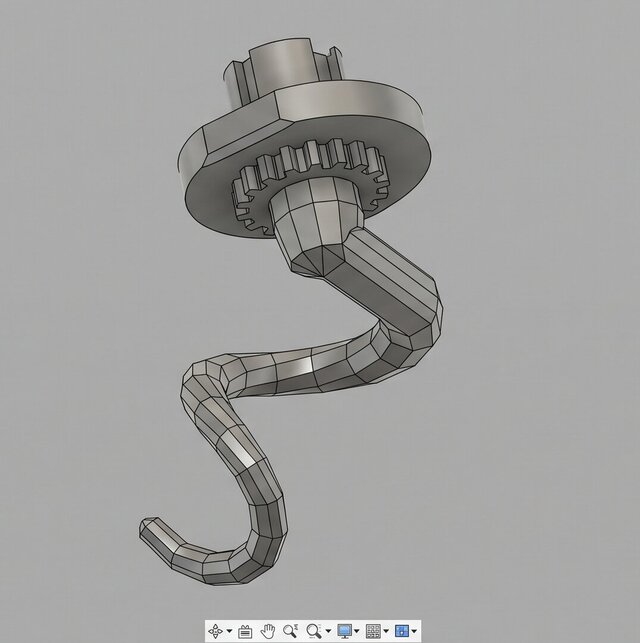
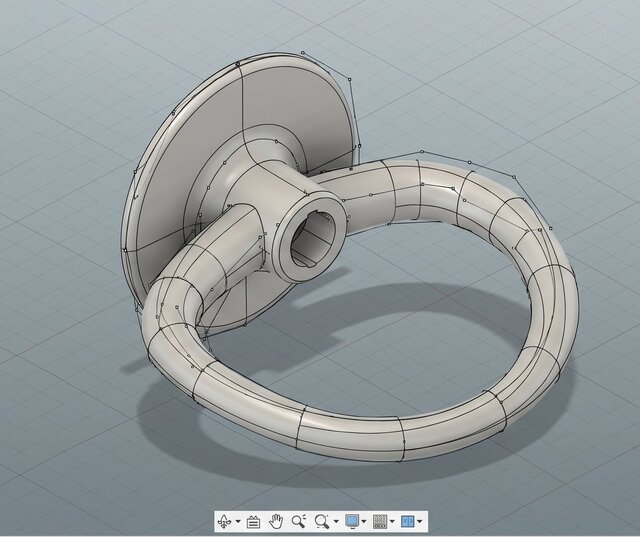
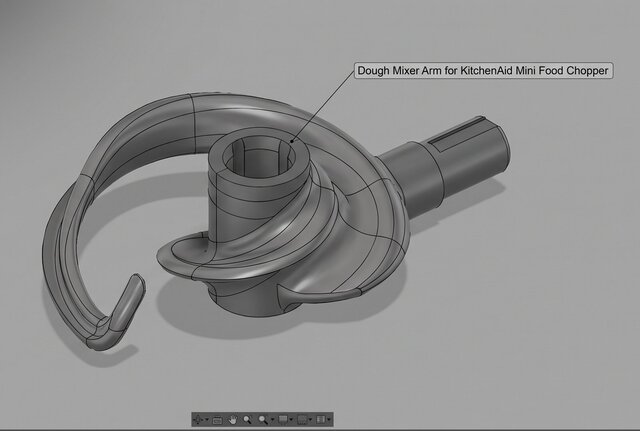
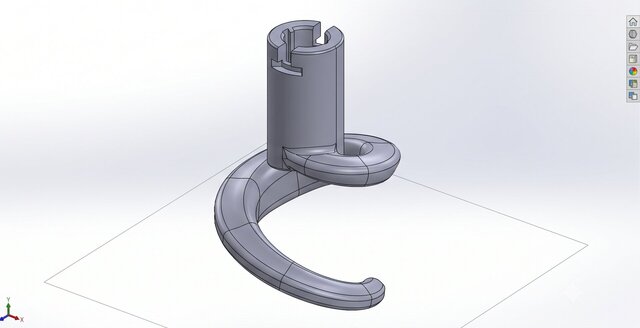
Reverse Engineering: The project began by precisely mapping the KitchenAid’s proprietary female spline (motor hub interface) using digital calipers to ensure a seamless, non-stripping power transfer.
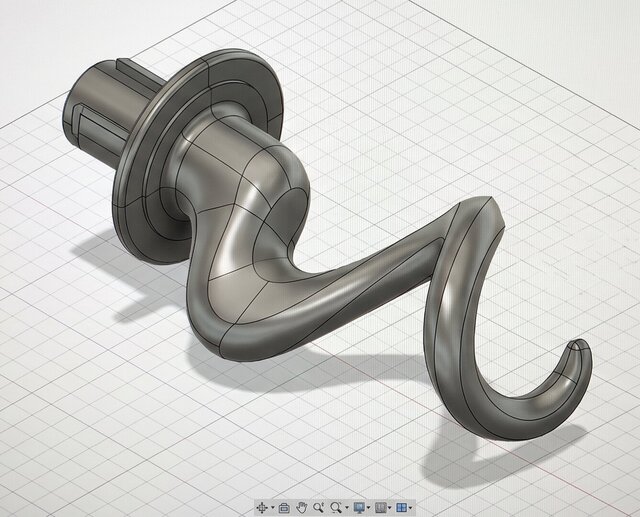
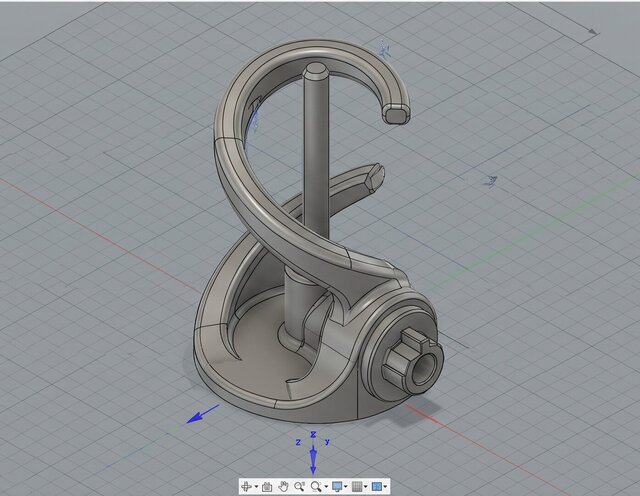
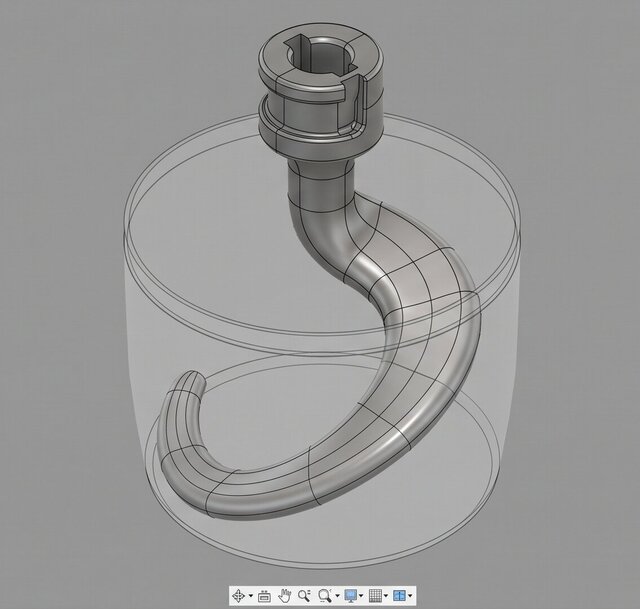
Parametric Modeling: The sharp cutting blades were swapped for thick, asymmetrical, blunt sweeping arms. The geometry is specifically angled to push and fold the dough against the bowl's inner wall, rather than just spinning it in place.
Torsion Control: Because dough generates significantly more resistance than vegetables, the central torque shaft was thickened. High-stress junctions were reinforced with structural fillets to prevent the 3D-printed layers from snapping under rotational shear forces.
Clearance & Tolerances: The CAD model enforces a strict 3mm clearance from the bowl perimeter to account for material flex during heavy mixing, preventing plastic-on-plastic scraping.
Material & Manufacturing Strategy
Designed for additive manufacturing (FDM 3D printing), the model is optimized for 100% infill to maximize tensile strength. To solve the inherent food-safety issues of porous 3D-printed layer lines, the part is designed to be printed in high-temp PETG or Nylon and finished with a heat-resistant, food-grade epoxy resin coat for safe, repeated culinary use.
The Outcome
"Parametric Kitchen" showcases how user-driven CAD design and additive manufacturing can upcycle standard household products. By retrofitting an existing device, it reduces the need to purchase additional appliances, saving counter space and proving the viability of open-source hardware modifications in the modern kitchen.
Published