

NASA Lunar TORCH

Lunar Torch: Kinematic Deployment & Multi-Axis Articulation
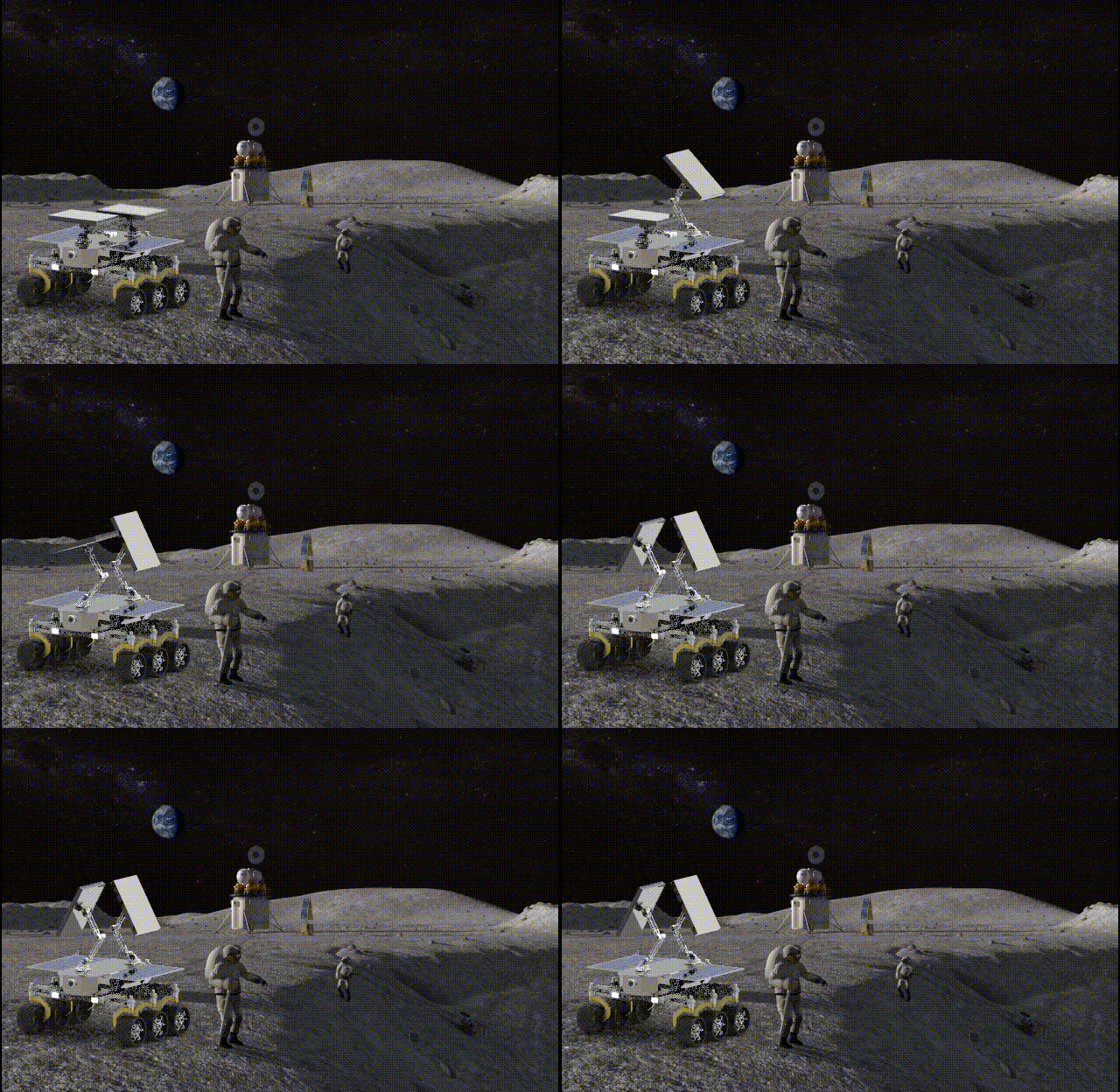
1. Automated Deployment Sequence (Packaged to Operational)
The system features a high-density "Packaged State" optimized for the payload fairing constraints of a lunar lander.
Sequential Actuation: The deployment begins with a vertical lift of the primary mast, followed by the synchronized unfolding of the secondary support arms.
Space-Saving Footprint: The nested design ensures that all sensitive reflective surfaces and solar collectors are protected during the high-vibration launch and landing phases.
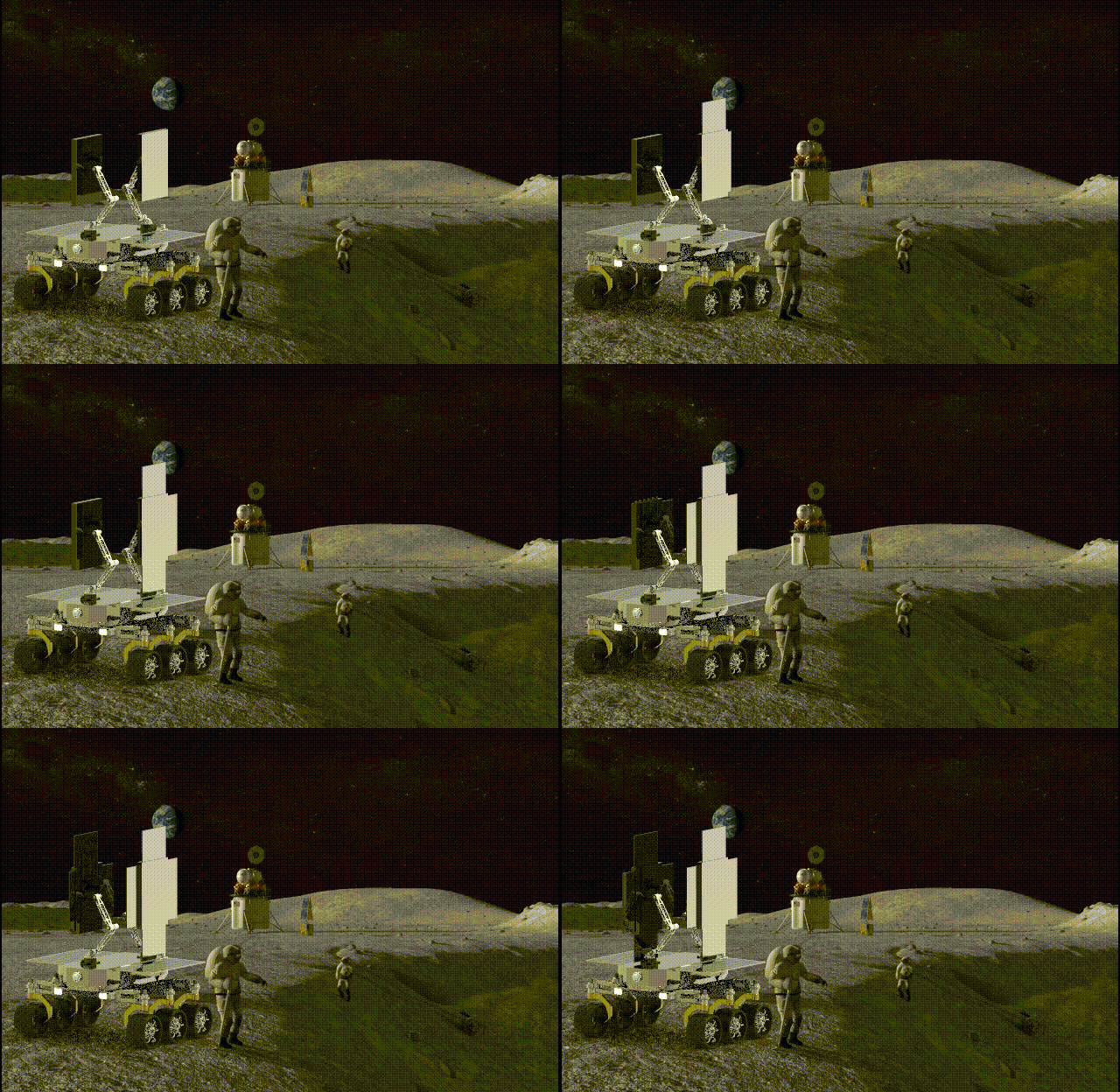
2. Variable Geometry & Side Mirror Extension
To maximize light capture or redirection, the "Torch" utilizes an extended-reach wing architecture.
Dual-Arm Articulation: Two independent, multi-link robotic arms allow the primary panels to extend outward, increasing the effective aperture of the system.
Telescopic Precision: The smooth extension shown in the visuals suggests a high-precision lead screw or belt-drive mechanism, designed to operate reliably in the abrasive regolith environment of the lunar surface.
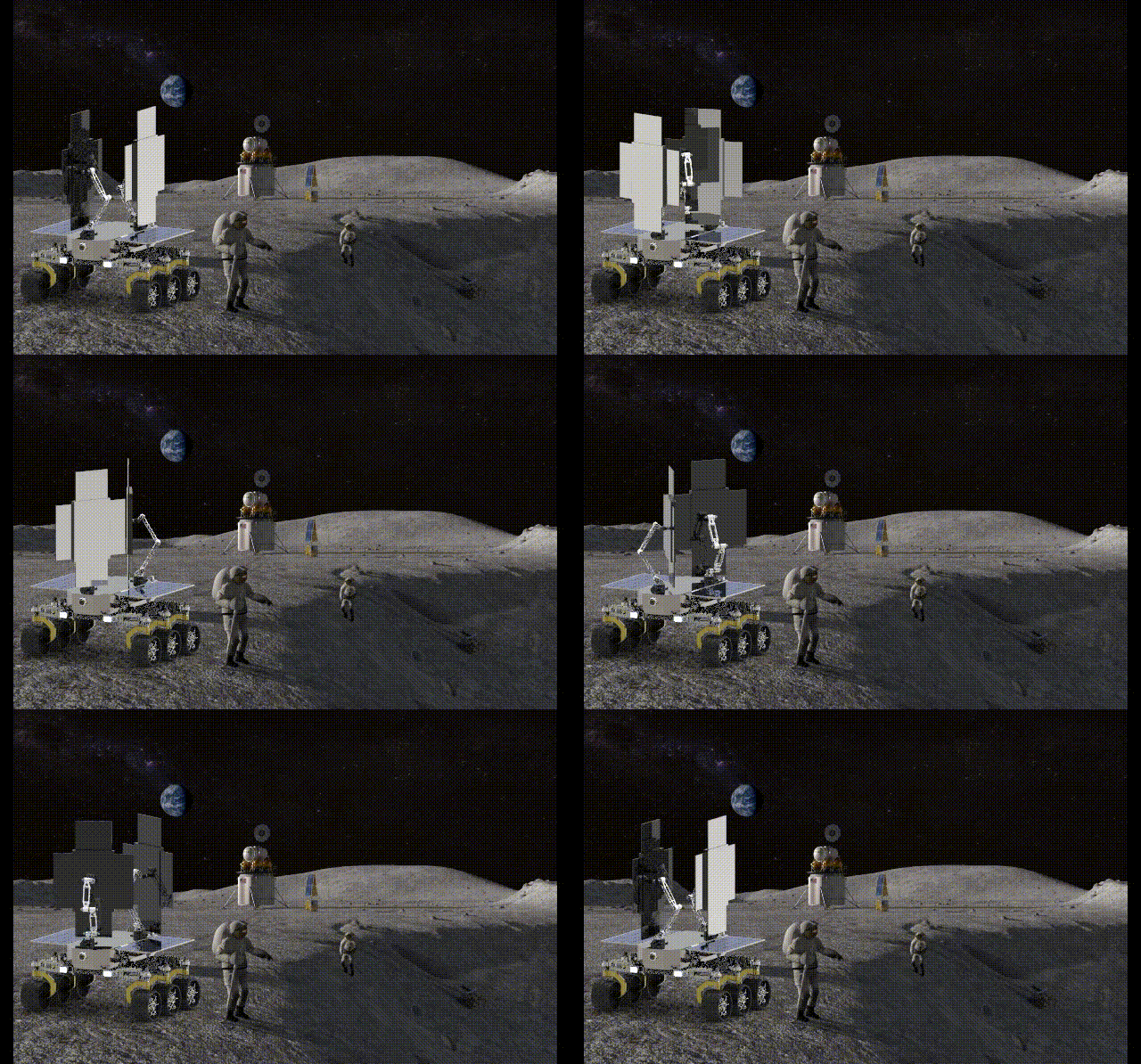
3. 360-Degree Rotational Freedom
Operational versatility is achieved through a centralized rotational base, allowing the system to track the sun or redirect light to specific mission zones (like the crater floor shown in the background).
Azimuth & Elevation Control: The combination of a rotating base and tilting panel joints provides full hemispherical coverage.
Dynamic Tracking: This allows the rover-mounted system to maintain optimal orientation regardless of the rover's heading, which is critical for maintaining thermal equilibrium and power generation during long-duration lunar stays.
Published