

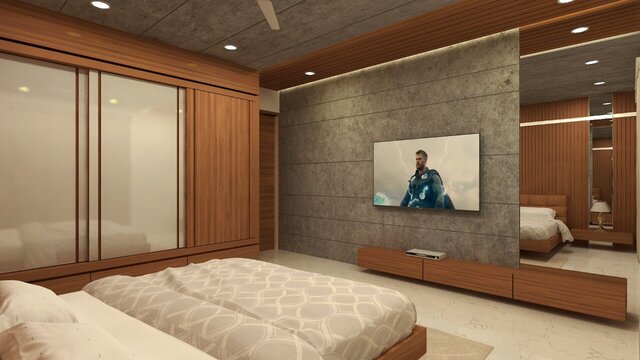


house interior 3d design


1.Space Planning
Efficient use of space (open-plan vs closed)
Room functionality
Flow between areas (e.g., living to dining)
2.Color Scheme
Sets the mood and tone of a space
Neutrals for calm; bolds for drama
Coordination across rooms for unity
3.Lighting
Natural vs artificial lighting
Ambient (general), task (focused), and accent (decorative) lighting
Fixtures as design features (chandeliers, pendant lights, floor lamps)
4.Materials & Textures
Wood, metal, stone, fabric, glass
Mixing textures adds depth and interest
Durability and maintenance also factor in
5.Furniture Selection
Proportions that fit the room size
Style that complements the overall theme
Multi-functional pieces for small spaces
Published