


DrivAer vehicle aerodynamics

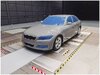
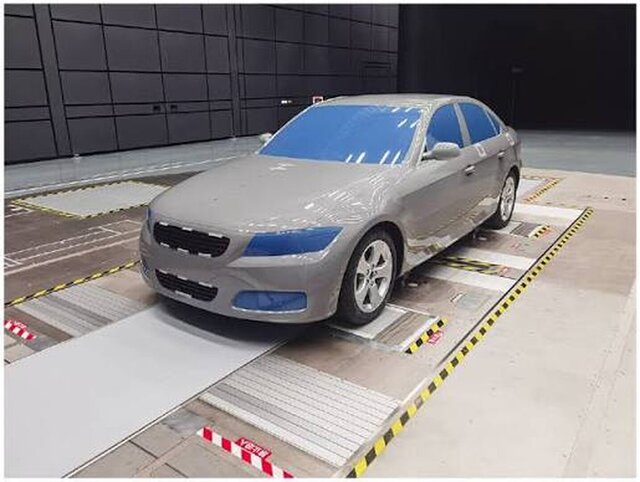
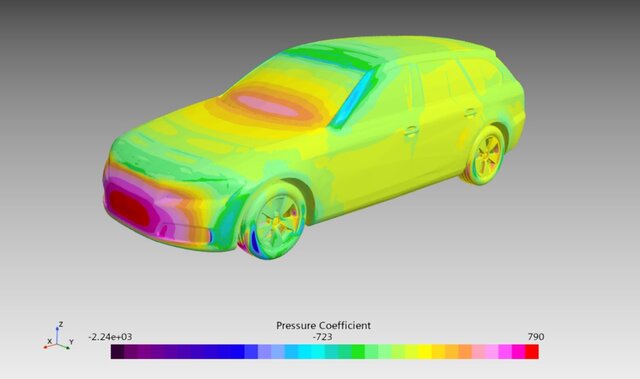
The DrivAer case was a benchmark CFD study reproducing the aerodynamics of the DrivAer model — the standardized geometry the automotive industry uses to validate simulation methodologies before applying them to a real vehicle, developed by TU Munich with published wind-tunnel data available for comparison. The goal was to replicate the methodology of a reference thesis from Universidad Politécnica de Madrid, originally run in OpenFOAM, fully ported into Siemens STAR-CCM+, and to quantify the error between both approaches.
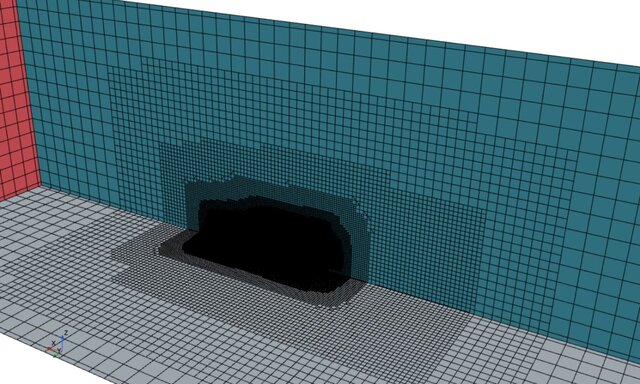
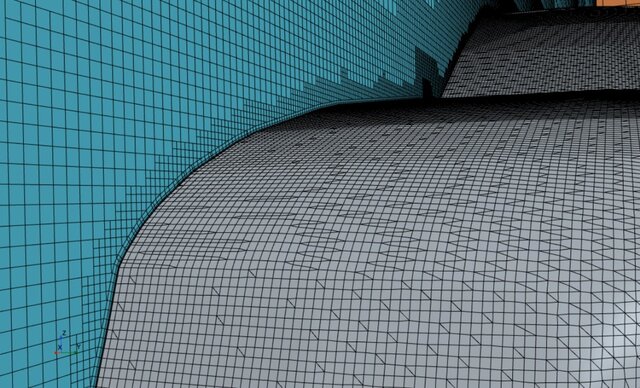
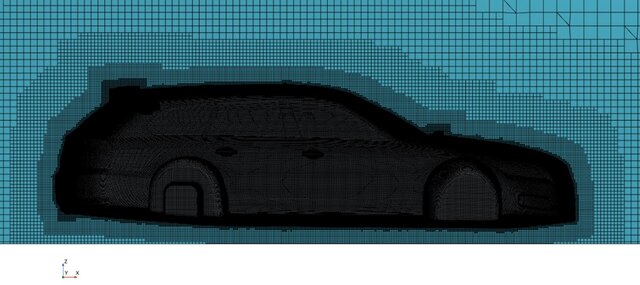
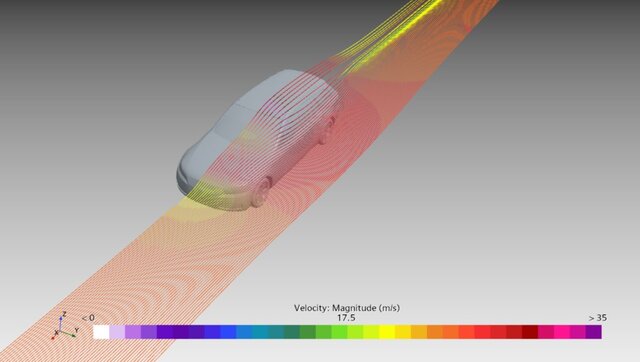
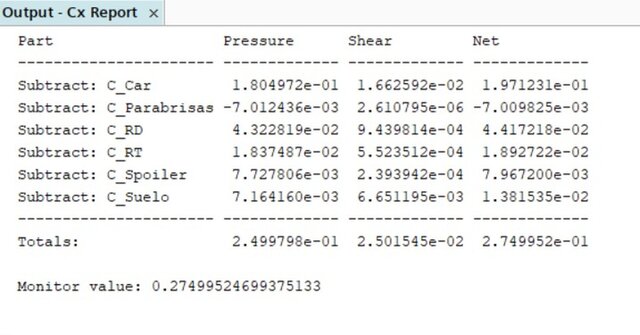
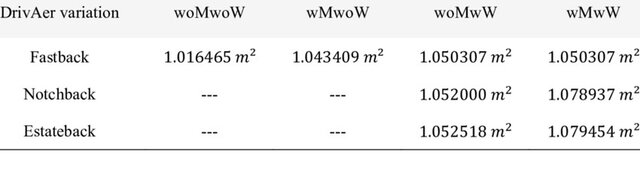
Using the DrivAer_E_S_woM_wW variant (Estate body, smooth underbody, no mirrors, detailed wheels), with a 12-million-cell trimmed + prism layer mesh, the simulation ran at 25 m/s (90 km/h), Re ≈ 6.5×10⁶, and returned a drag coefficient of C_D = 0.274 — a 2.9% deviation from the reference thesis (0.282) and 9.1% from Audi's wind-tunnel figure (0.299), the latter gap explained by the tunnel test including the grille and mirrors that were excluded from the simplified model. Running on a Ryzen 9 5950X, 1,000 iterations took approximately 45 hours.
The following considerations were taken into account:
· Longitudinal symmetry to reduce computational cost.
· Tire-to-ground contact patch explicitly modeled.
· Grille, engine, gearbox and exhaust excluded from scope.
· Trimmed + prism layer mesh, 5 boundary-layer prism cells at 0.5 mm.
· Wall y+ validated within the fully-turbulent range (30–600) across the whole surface.
From a physical standpoint, factors such as the following were considered:
· RANS turbulence model — k-omega SST.
· Steady, segregated flow.
· Constant density.
· Air density of 1.18415 kg/m³.
· Dynamic viscosity of 1.85508×10⁻⁵ Pa·s.